
Birgen Business Center, Bağdat Ave. No 226, Floor 2, Unit 10, Kadıköy, Istanbul, Turkey
+90 553 910 91 39 info@aysedolarbilge.com
Ocular surface diseases is the collective name for conditions affecting the cornea, the conjunctiva, the eyelid margin and the tear film. Dry eye, blepharitis, allergic conjunctivitis, pterygium, chemical injuries, lid adhesions and conjunctival tumors all sit under this heading, and they share symptoms of stinging, redness, watering and fluctuating vision.

Tumors of the Eye Surface & Conjunctiva

The conjunctiva is the transparent membrane covering the white of the eye and the inner surface of the lids. Most growths that arise there are benign, but malignant types such as melanoma and squamous cell carcinoma also occur. The distinction is made by examination and, where needed, pathological study, and treatment rests on surgical removal.
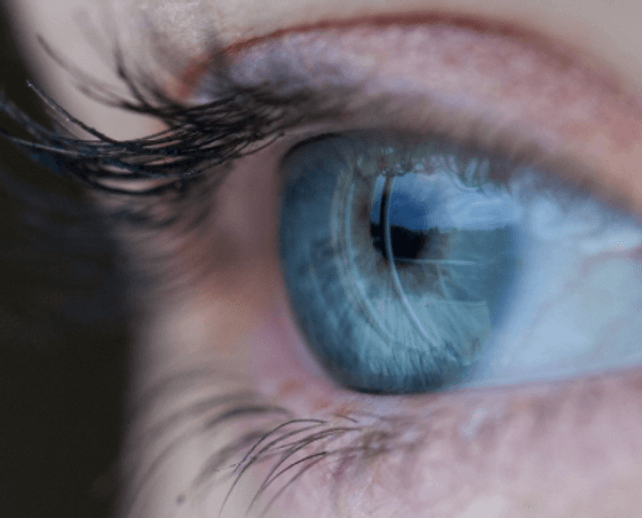
Blepharitis

Blepharitis is chronic inflammation of the eyelid margin. It causes crusting at the lash roots, redness and itching of the lid edge, lids sticking together in the morning and a dry, gritty eye. Regular lid hygiene is the foundation of treatment, with antibiotic and anti-inflammatory measures added when needed.
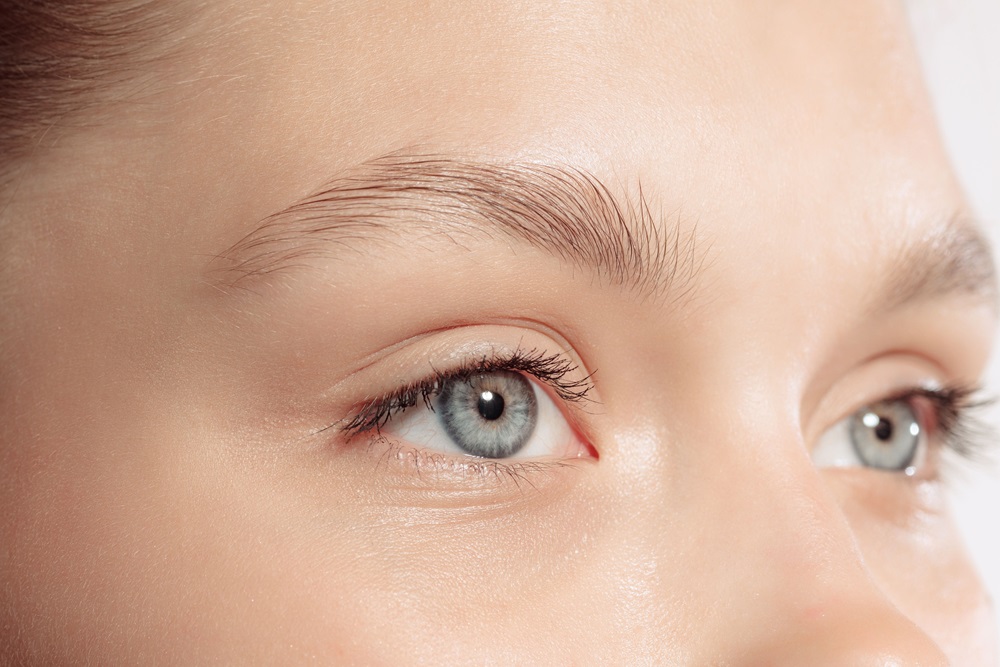
Eye Surface & Lid Adhesions (Symblepharon)

Symblepharon is an adhesion between the inner surface of the eyelid and the surface of the eye. It follows trauma, chemical burns, severe infections and certain autoimmune diseases, restricting eye movement and causing dryness and lid malposition. Treatment means dividing the adhesion and covering the bare surface with suitable tissue.
Chemical Injuries of the Eye Surface

In a chemical eye injury the outcome is decided in the first minutes, not at the hospital door: rinse the eye with plenty of water for at least 15 to 20 minutes, never try to neutralise the substance, then have the eye examined. Alkalis penetrate deeper than acids, and severe cases may need amniotic membrane or limbal stem cell transplantation.
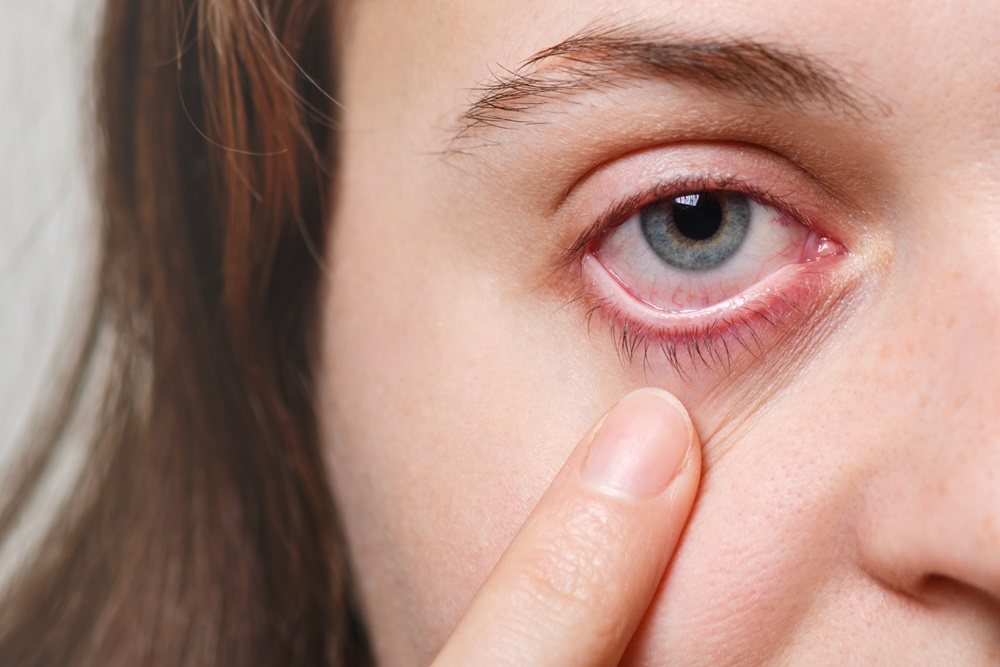
Allergic Conjunctivitis

Allergic conjunctivitis is a hypersensitivity reaction of the conjunctiva to allergens such as pollen, house dust mites and animal dander. Itching is the leading symptom, with redness, watering and lid swelling alongside it. Avoiding the trigger, cold compresses and appropriate eye drops keep symptoms under control.
Dry Eye Disease

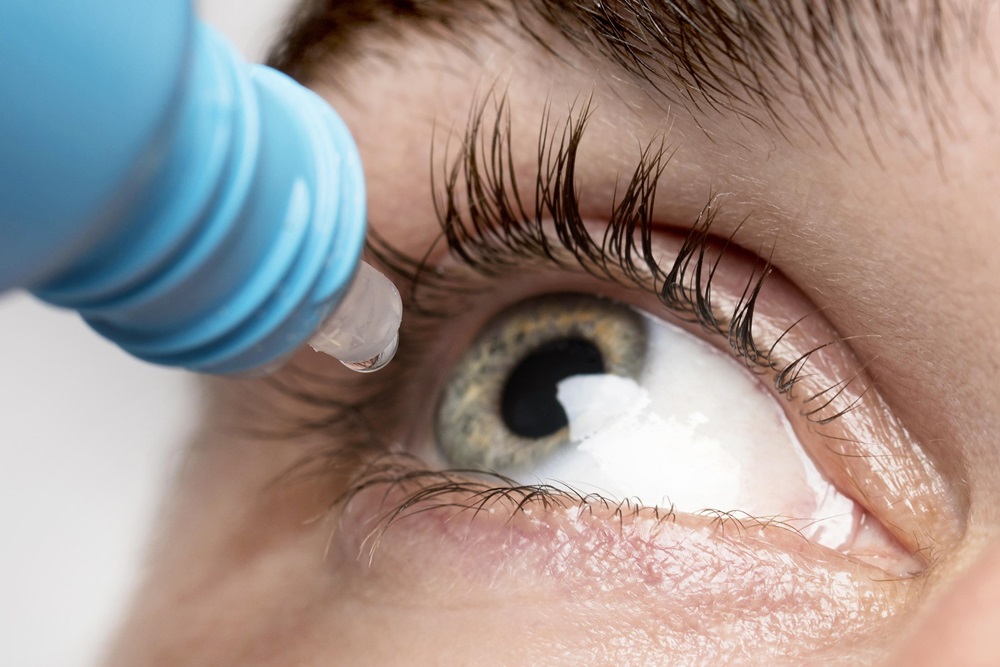
Dry eye develops when the tear film is either too scarce or of poor quality, leaving the ocular surface unprotected. It causes stinging, grittiness, burning and, paradoxically, watering. Treatment combines artificial tears, eyelid care and, in selected patients, punctal plugs that keep tears on the surface for longer.

Pterygium

Pterygium is a triangular, fleshy growth that spreads from the conjunctiva onto the cornea, often called surfer's eye. Long-term ultraviolet exposure is the main cause. Small quiet lesions are simply monitored, while progressive or vision-affecting ones are removed and covered with a conjunctival autograft taken from the patient's own eye.

What Is the Ocular Surface?

The ocular surface is a single working unit made up of the cornea, the conjunctiva covering the white of the eye and the inner lids, the eyelid margin, and the tear film that coats them all. These parts work together: every blink spreads tears across the surface, the glands in the lid margin produce the oily layer that stops those tears evaporating, and the cornea and conjunctiva are protected beneath that thin film.

That interdependence is the key to understanding ocular surface disease. When one link fails, the others are affected, which is why a patient who comes complaining of dryness often has the real problem at the lid margin, and a patient who comes complaining of itching often has underlying dryness. It is the reason I assess the whole surface at the examination rather than the symptomatic part alone.

Conditions Covered in This Section

Dry eye disease — insufficient tear volume or quality, causing stinging, grittiness, fluctuating vision and, paradoxically, watering.

Blepharitis — chronic inflammation of the eyelid margin, with crusting, redness, lids sticking together in the morning and recurrent styes.

Allergic conjunctivitis — a hypersensitivity reaction of the conjunctiva to pollen, house dust mites and animal dander, with itching as the leading symptom.

Pterygium — a fleshy growth advancing from the conjunctiva onto the cornea, linked to sun exposure.

Chemical injuries of the eye surface — contact with acids, alkalis and irritants. The one topic here that is a genuine emergency.

Eye surface and lid adhesions (symblepharon) — adhesion between the inner lid surface and the globe, restricting eye movement.

Tumors of the eye surface and conjunctiva — growths on the white of the eye, most of them benign and some requiring surgery.

Shared Symptoms

Stinging, grittiness and foreign body sensation.

Redness, either persistent or recurrent.

Itching, the most typical sign of allergic disease.

Watering, which may be reflex tearing from dryness or may come from the tear drainage system.

Fluctuating blur that clears on blinking.

Light sensitivity and eye fatigue that builds through the day.

Crusting, scaling or lash loss at the lid margin.

A lump, mass or colour change on the surface of the eye.

Diagnostic Methods

Slit-lamp examination of the cornea, conjunctiva and lid margin under magnification. Everting the upper lid is an inseparable part of it.

Tear tests: tear break-up time shows how long the tear film holds, and the Schirmer test measures production.

Surface staining with fluorescein and lissamine green to reveal damaged areas of cornea and conjunctiva.

Meibomian gland assessment by pressure on the lid margin to check gland patency and the consistency of the secretion.

Anterior segment imaging and photography to follow masses and pterygium progression objectively.

Biopsy, needed for a definitive diagnosis in suspicious conjunctival lesions.

pH measurement, which determines when irrigation can be stopped after a chemical injury.

Treatment Approaches

Surface support: preservative-free artificial tears, gels and overnight ointments.

Eyelid care: warm compresses, lid massage and cleaning of the lid margin, the foundation of treatment in dry eye and blepharitis.

Medical treatment: drops directed at infection, allergy and inflammation, all used for a defined period under supervision.

Punctal plugs to keep the tears that are produced on the surface for longer.

Surgery: excision of pterygium and conjunctival tumors, division of adhesions, conjunctival autograft and amniotic membrane procedures, and limbal stem cell transplantation in severe cases.

Correction of lid position: lids that turn in or out and lashes that rub continuously damage the surface. These problems are covered under eyelid diseases.

Protecting the Ocular Surface

Take regular breaks at screens and blink fully and deliberately; a half blink does not spread the oily layer of the tear film.

Keep air conditioning and heating vents away from your face and raise the humidity indoors.

Wear ultraviolet-filtering sunglasses with side protection outdoors. This is the single most effective protection against pterygium and conjunctival tumors.

Wear goggles or a face shield when handling chemicals, and never mix cleaning products in a closed room.

Make lid cleaning part of your daily routine and always remove eye make-up in the evening.

Do not rub your eyes; rubbing increases inflammation and can distort the shape of the cornea.

Have a growing lump on the white of the eye, a darkening mole or persistent one-sided redness examined.

Ayşe Dolar Bilge MD, FEBOphth.
Ophthalmologist, Oculoplastic Surgery

More than 1000+ happy health support.
10+
Support from healthcare personnel
4.9
200+ Rating
Scroll
CONTACT US
WHATSAPP