




With my experienced team and the JCI accredited hospital I work with, I care about your health.

The areas I work in as an ophthalmologist: eyelid diseases and oculoplastic surgery, cosmetic eyelid procedures, revision surgery, periocular rejuvenation, lacrimal system disorders, cataract, prosthetic eye, pediatric eye diseases and ocular surface diseases. Each heading is described on this page.

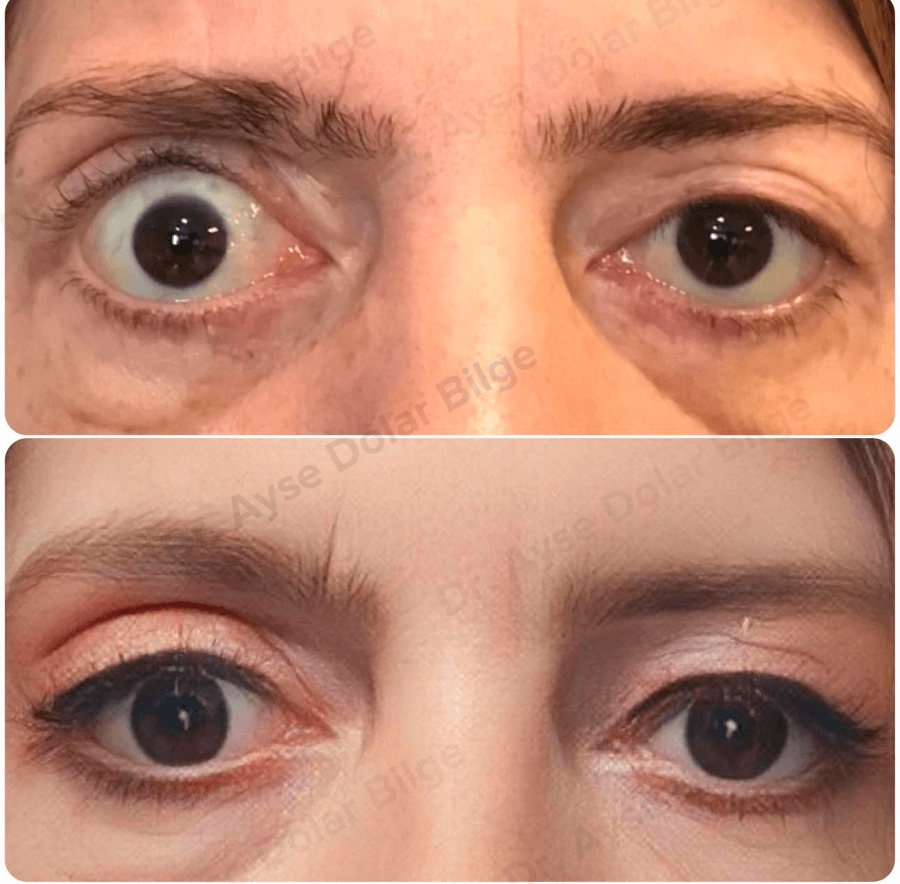
Eyelid surgery is among the most frequently performed aesthetic procedures. An unsuitable surgical plan or the removal of too much tissue can leave incomplete lid closure, lower lid retraction, ectropion or asymmetry. Revision surgery aims to correct these and to restore the protective function of the lid.

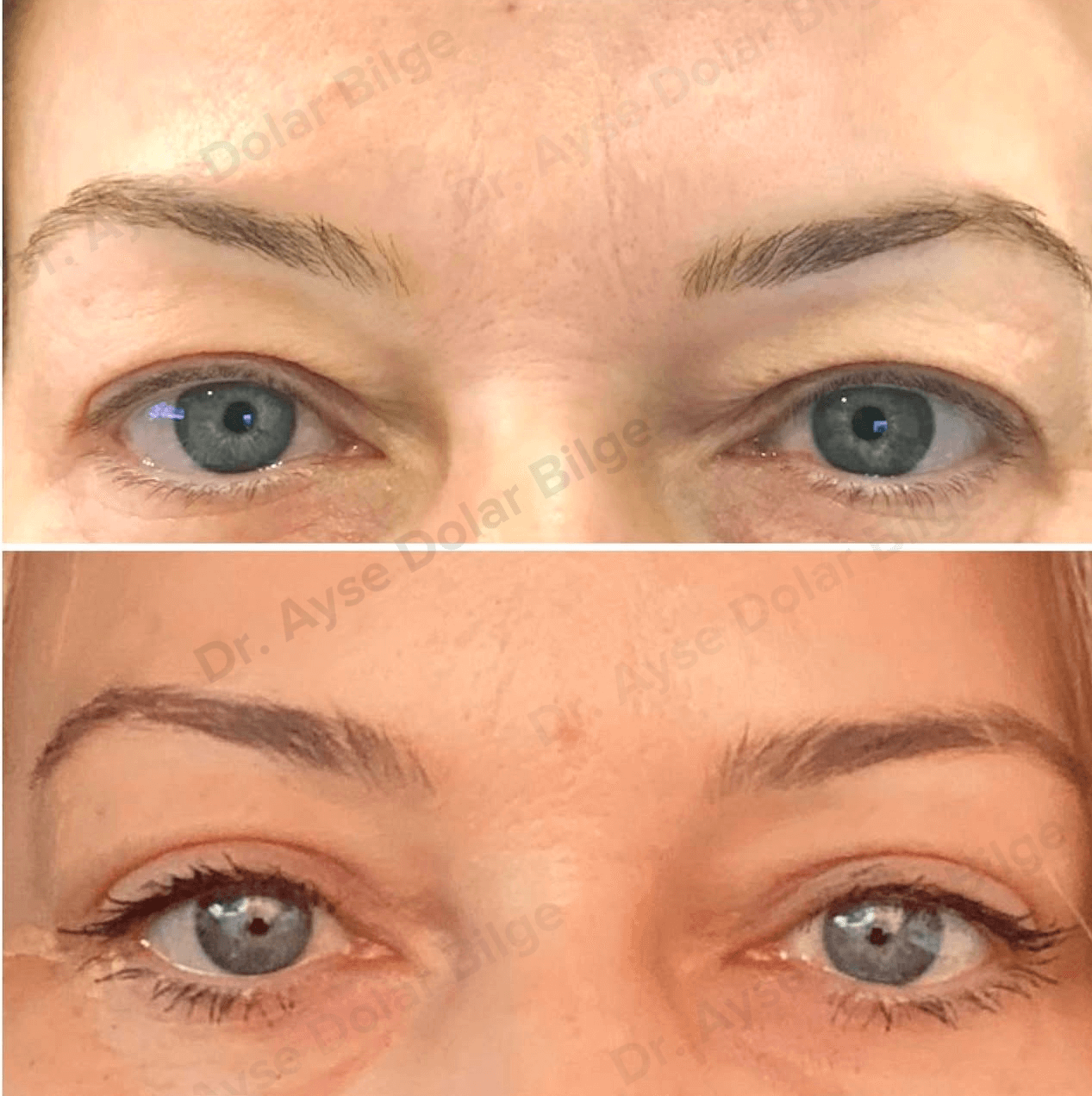
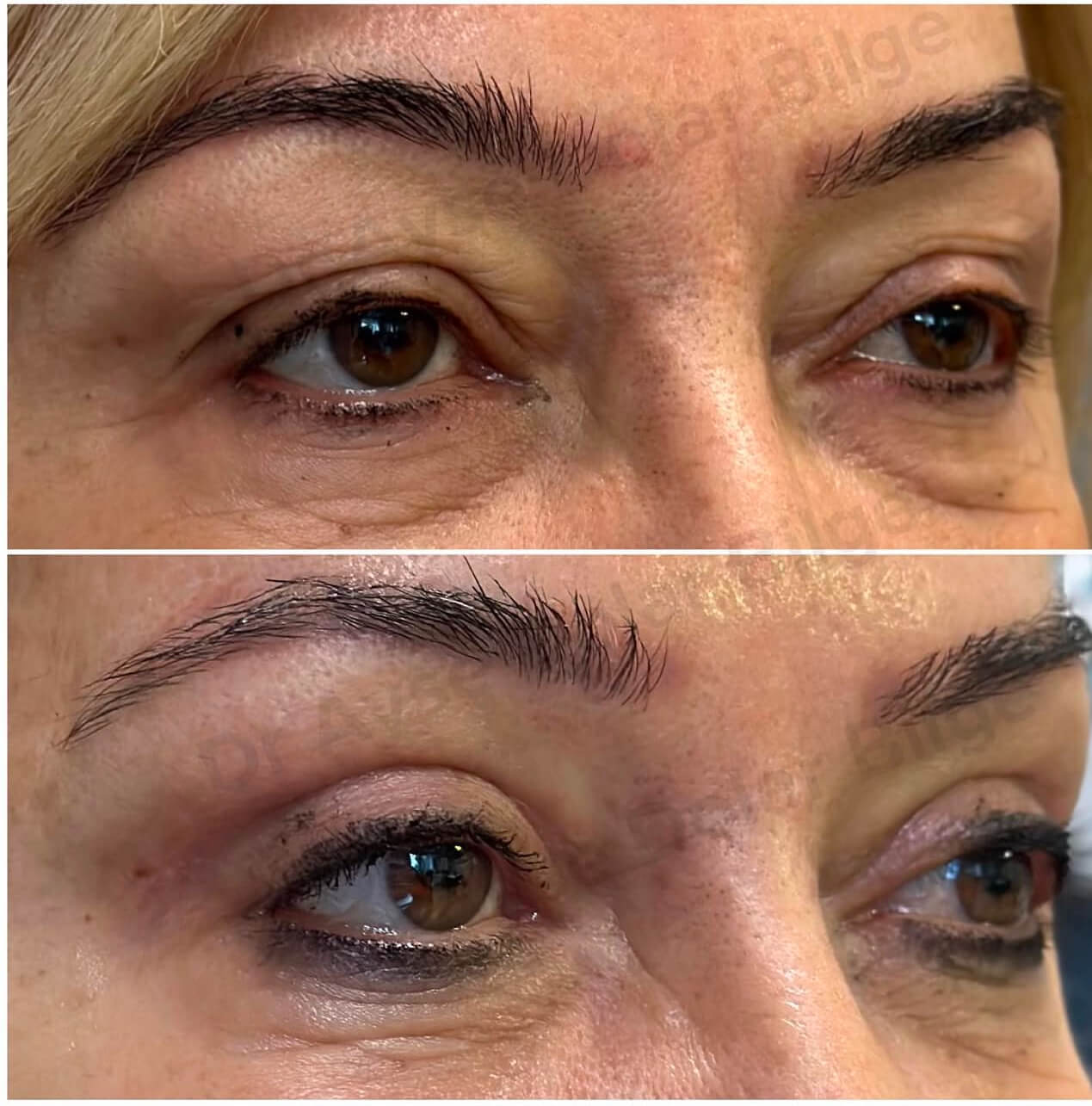
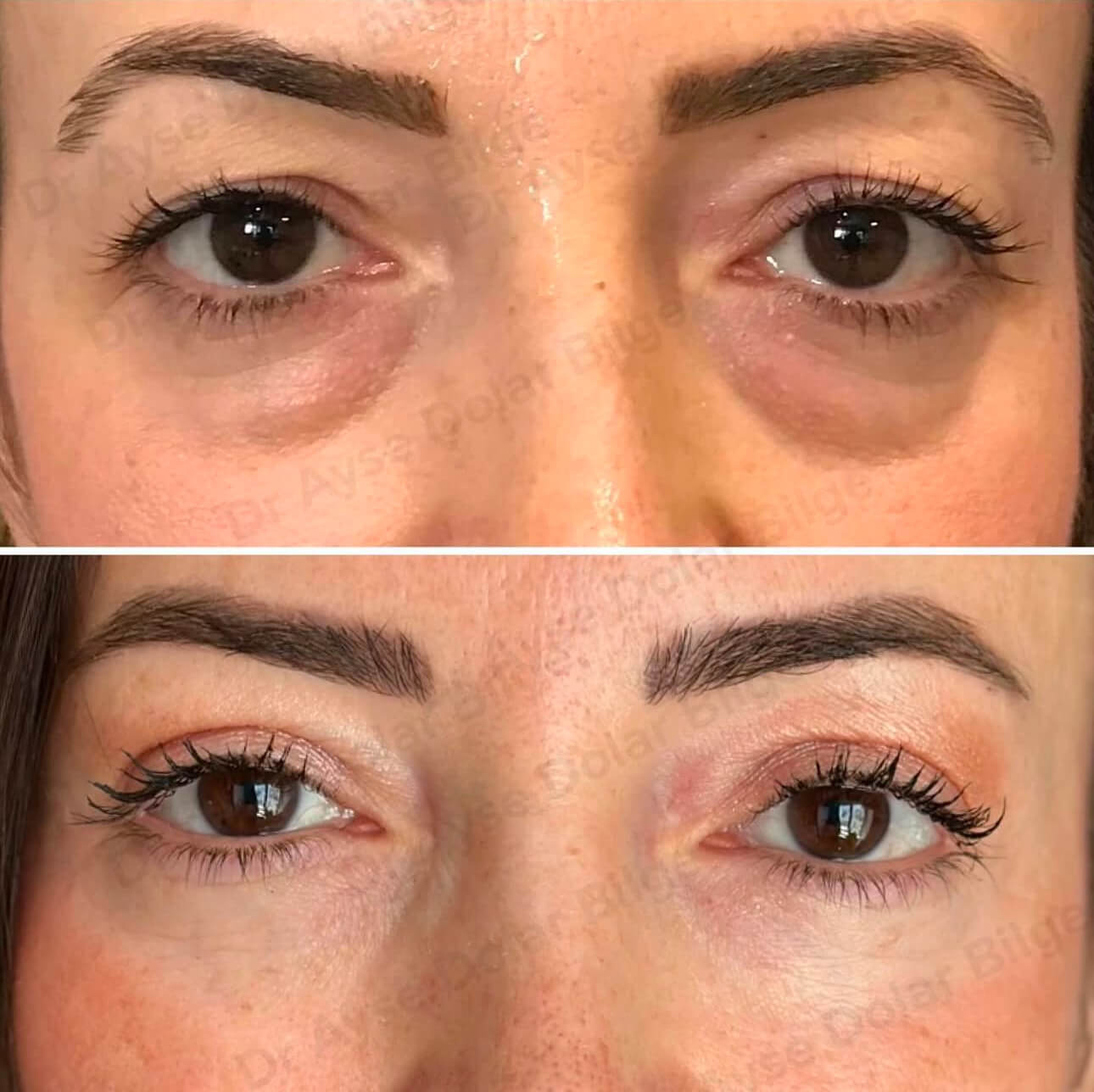
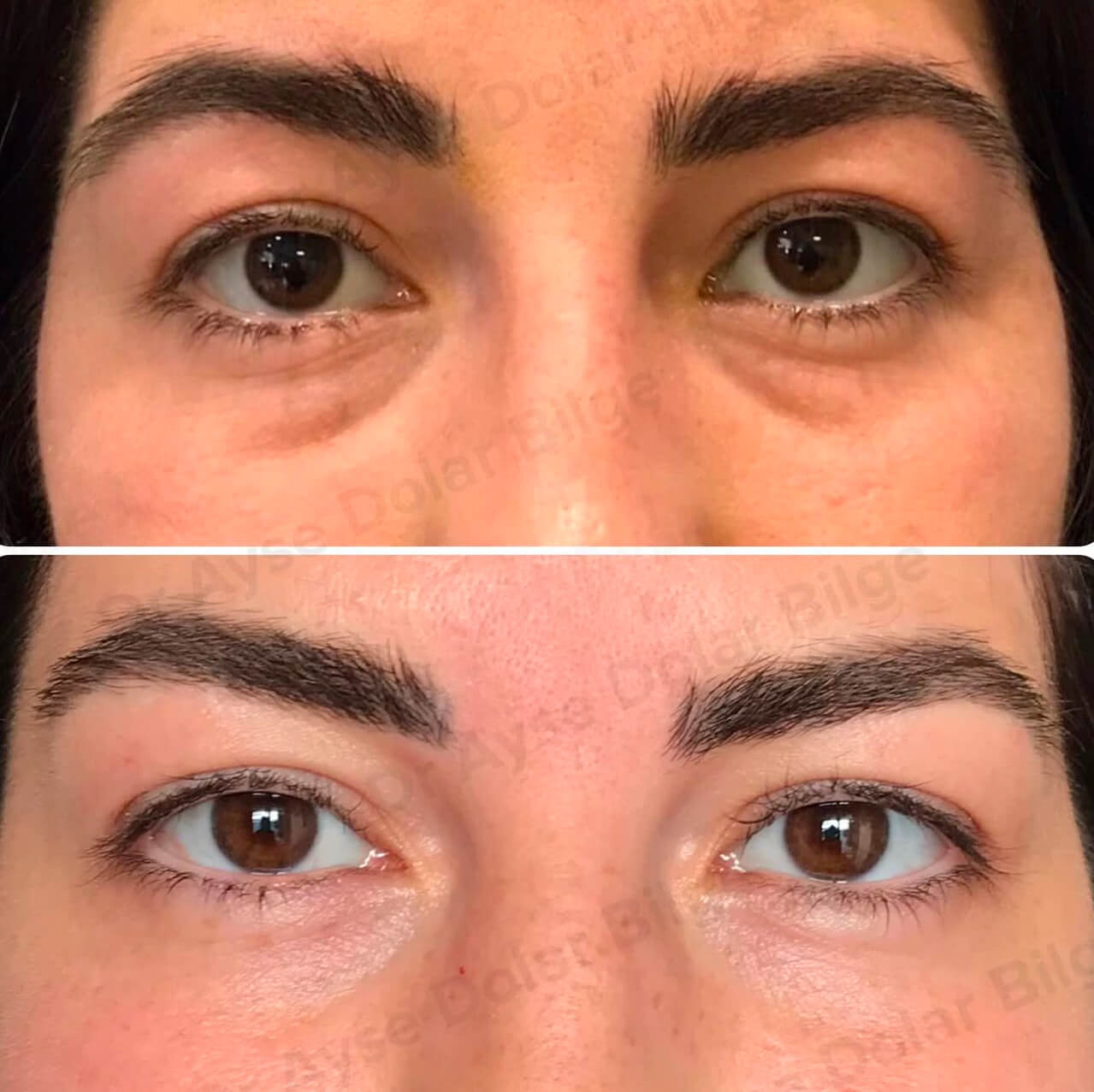
Blepharoplasty is the medical name for eyelid surgery. It covers the reshaping of excess skin, lax muscle and forward-displaced fat in the upper and lower eyelids. It is not purely cosmetic: where eyelid skin obstructs the upper visual field, surgery becomes a functional necessity.
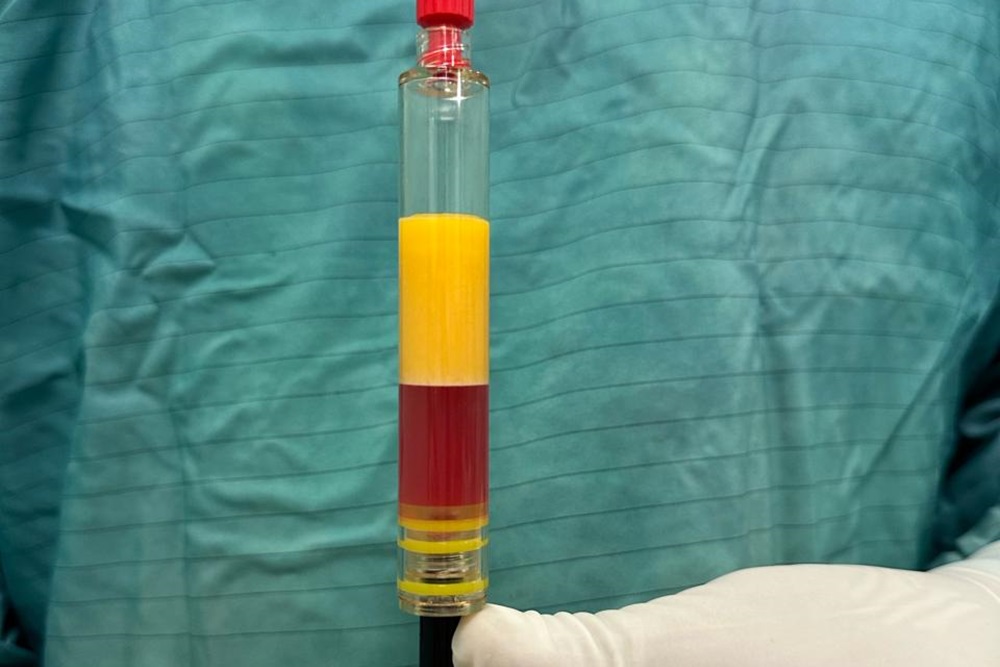
NanoFat is the application of a refined liquid prepared from the patient's own fat to thin-skinned areas such as the under-eyes and eyelids. It is chosen where both volume support and improvement in skin quality are the goal. NanoFat, MicroFat and SVF are differently processed forms of the same harvested fat.
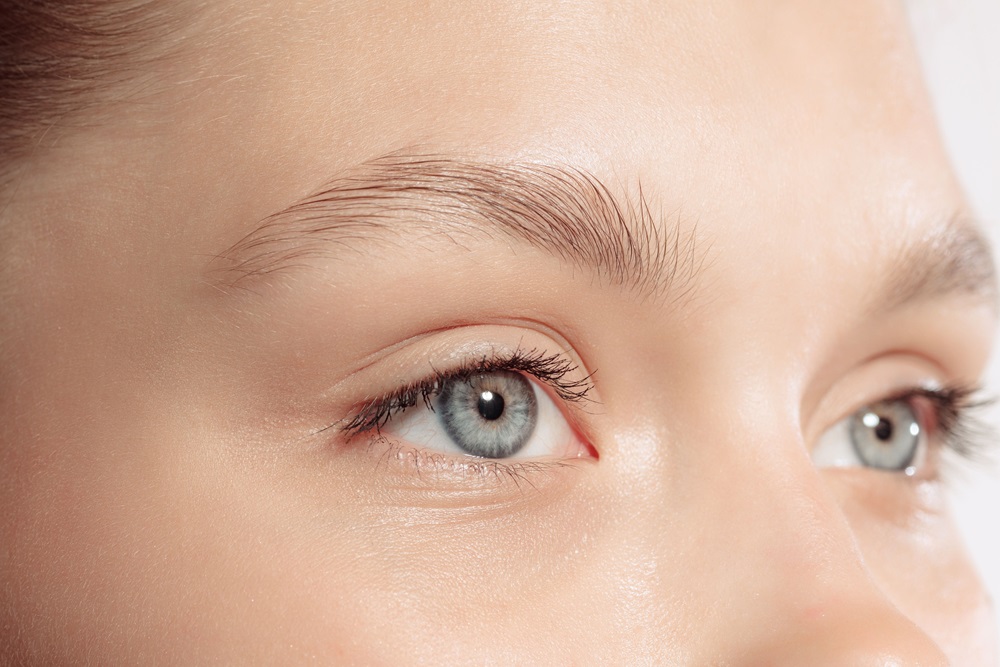
The eyelids protect the eye, spread the tear film and pump tears towards the drainage channel. Even a small change in the position of the lid margin can cause dryness, watering and corneal damage. This section covers the symptoms, diagnosis and treatment options for eyelid disease.
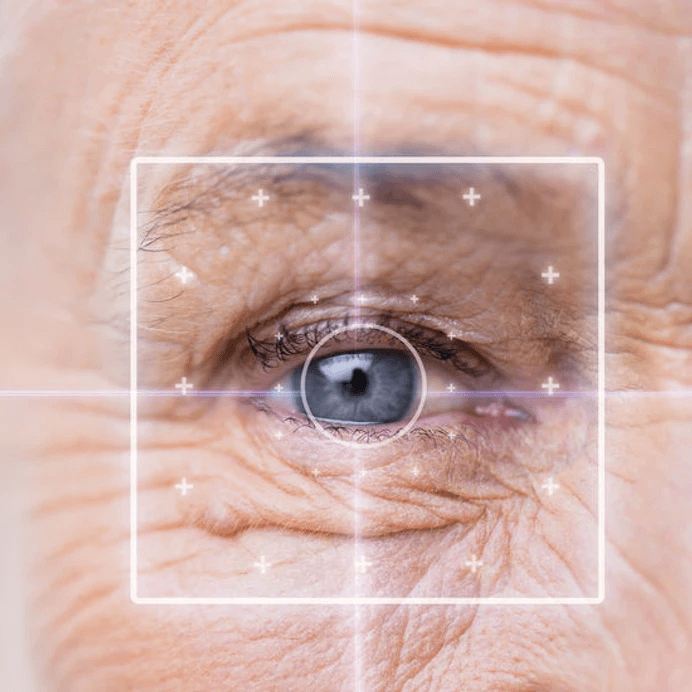
A cataract is the clouding of the eye's natural lens. Ageing is the most common cause, though trauma, certain medications and other eye conditions can also lead to it. The only effective treatment is surgery, in which the clouded lens is replaced with an artificial lens calculated for that eye.
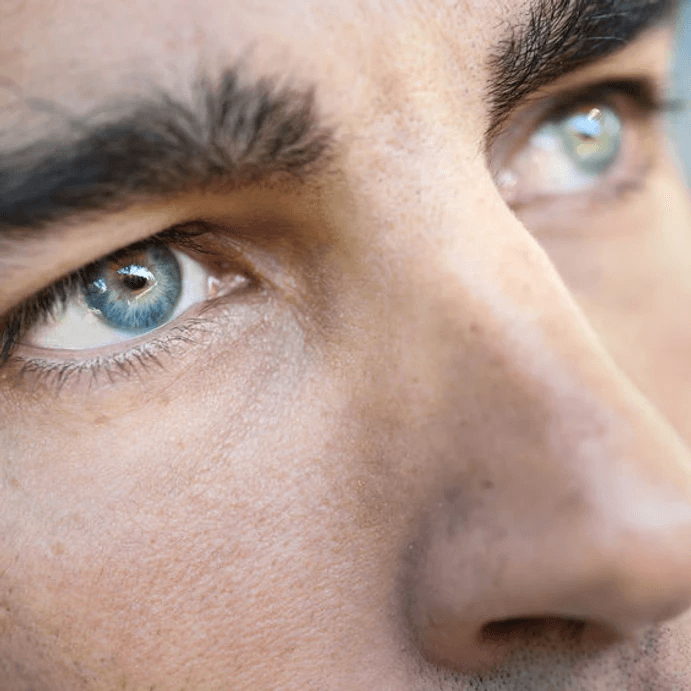
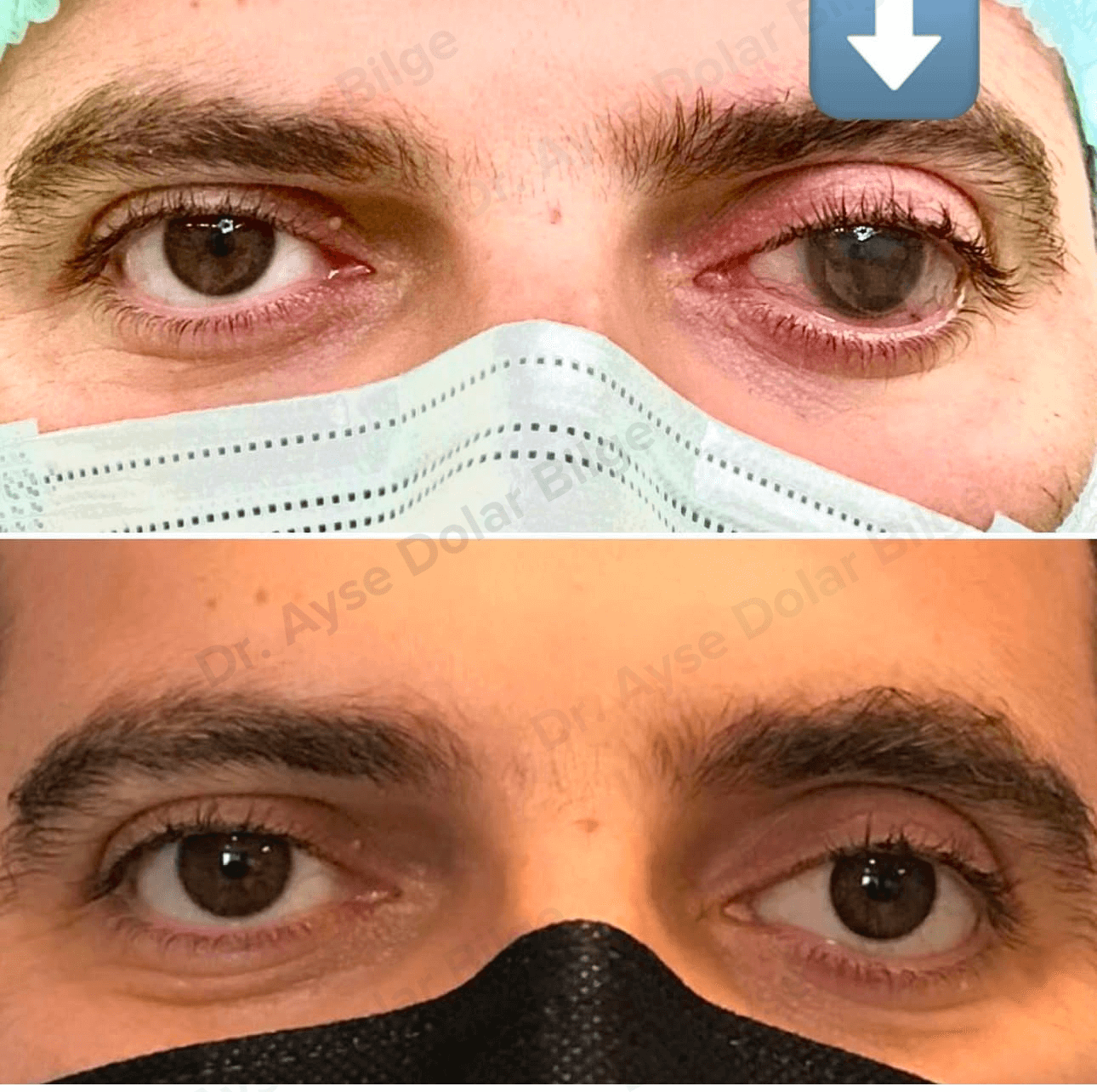
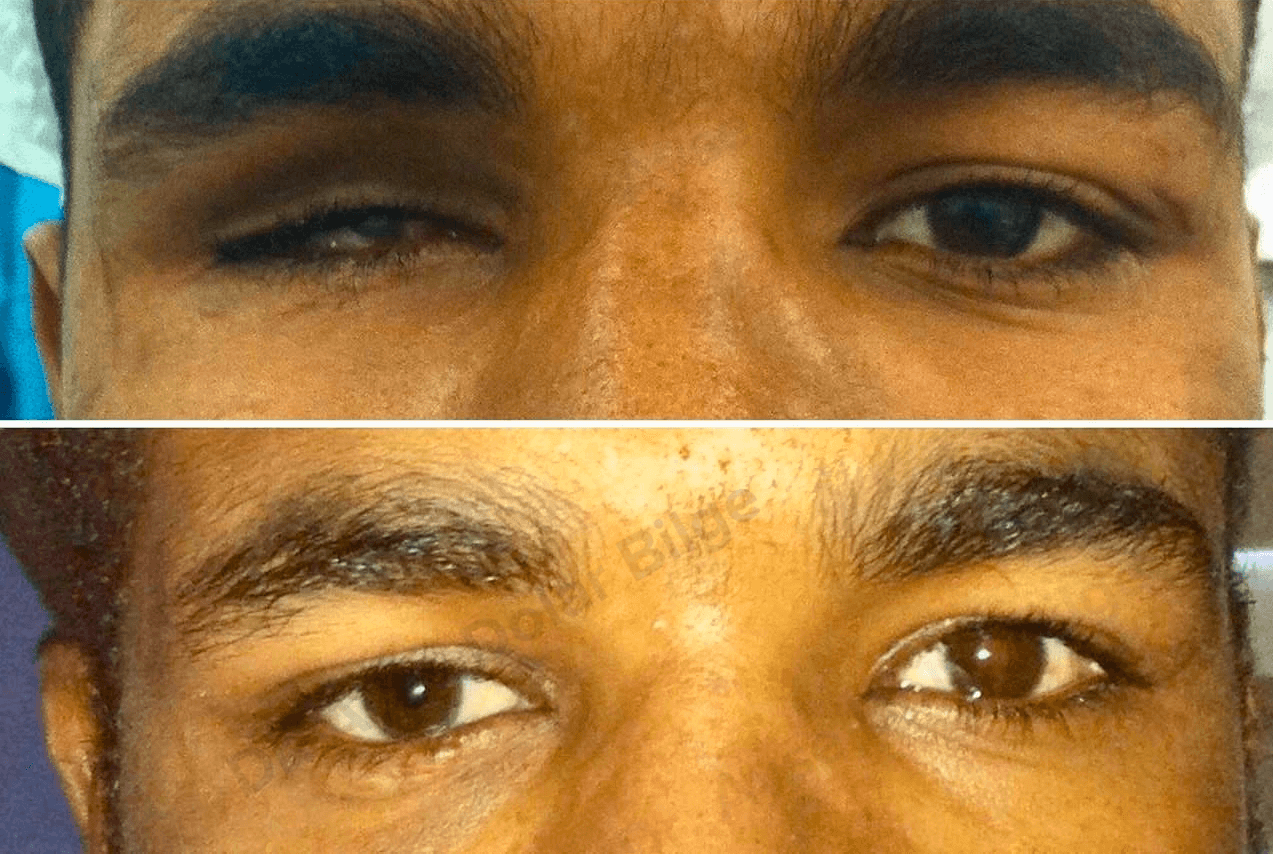
A prosthetic eye is a custom-made artificial eye fitted into the socket of a person who has lost an eye or was born without one. It does not restore sight; it preserves the structure of the socket and gives a natural appearance. With proper care and regular review it can be worn comfortably for many years.

The lacrimal system consists of the glands that produce tears and the channels that carry them from the ocular surface into the nose. Disorders anywhere along this chain cause watering, discharge, dryness and recurrent infection. Identifying the true source of the watering determines the treatment.

Periocular rejuvenation treats wrinkles, skin laxity, dark circles, glabellar and forehead lines and midface descent as one connected problem. Depending on the patient these can be addressed surgically, medically, or through a combination of the two planned together.

This section covers the main eye conditions of childhood, from refractive errors and strabismus to eyelid problems and tear duct obstruction. Because the visual pathways are shaped in the first years, examination on schedule is the most effective way to prevent amblyopia.
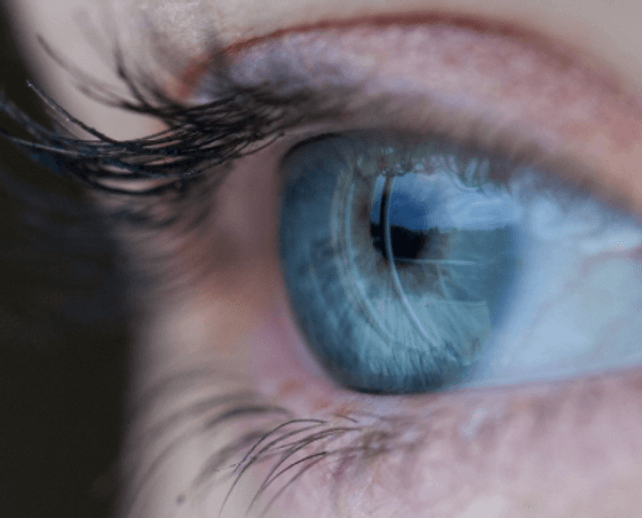
Ocular surface diseases is the collective name for conditions affecting the cornea, the conjunctiva, the eyelid margin and the tear film. Dry eye, blepharitis, allergic conjunctivitis, pterygium, chemical injuries, lid adhesions and conjunctival tumors all sit under this heading, and they share symptoms of stinging, redness, watering and fluctuating vision.
The most common cause of a drooping eyelid is stretching of the tendon of the levator muscle over the years. There are also congenital forms and forms related to nerve disease or trauma. Excess skin hanging over the upper lid is called pseudoptosis and has to be distinguished from true ptosis, because the surgery is different.
True ptosis has no form that resolves without surgery; the treatment is surgical. I decide what to do after measuring how far the lid has dropped and how well the levator muscle works. The ptosis page explains this in detail.
Blepharoplasty is the medical name for eyelid surgery. In the upper lid, excess skin and where necessary fat tissue are addressed; in the lower lid, under-eye bagging is corrected. The upper lid incision is placed within the natural lid crease, so the scar becomes indistinct over time.
Swelling and bruising are most obvious in the first days and usually settle considerably within the first week. Depending on the person, the social appearance takes a few weeks to settle and the tissues a few months to take their final position. The process does not move at the same pace in everyone. See the cosmetic eyelid procedures page.
It is a surgery that we recommend especially for young patients. If the only problem of the patient is bags under the eyes and there are no accompanying problems such as sagging skin or eyelid laxity, the surgery is performed with a hidden incision made behind the eyelid, and no skin scars are left.
Ayşe Dolar Bilge
Today, the scientific knowledge of ophthalmology is too broad for a person to embrace. For this reason, many academician ophthalmologists in our country and developed countries work as subspecialists in certain subspecialty of ophthalmology. In this way, patients are offered a better quality and safer health service.
Dr. Ayşe Dolar Bilge has also concentrated her professional and academic studies in certain areas of ophthalmology. These are:
Blepharoplasty
Blepharoplasty Revision
Prosthetic Eye
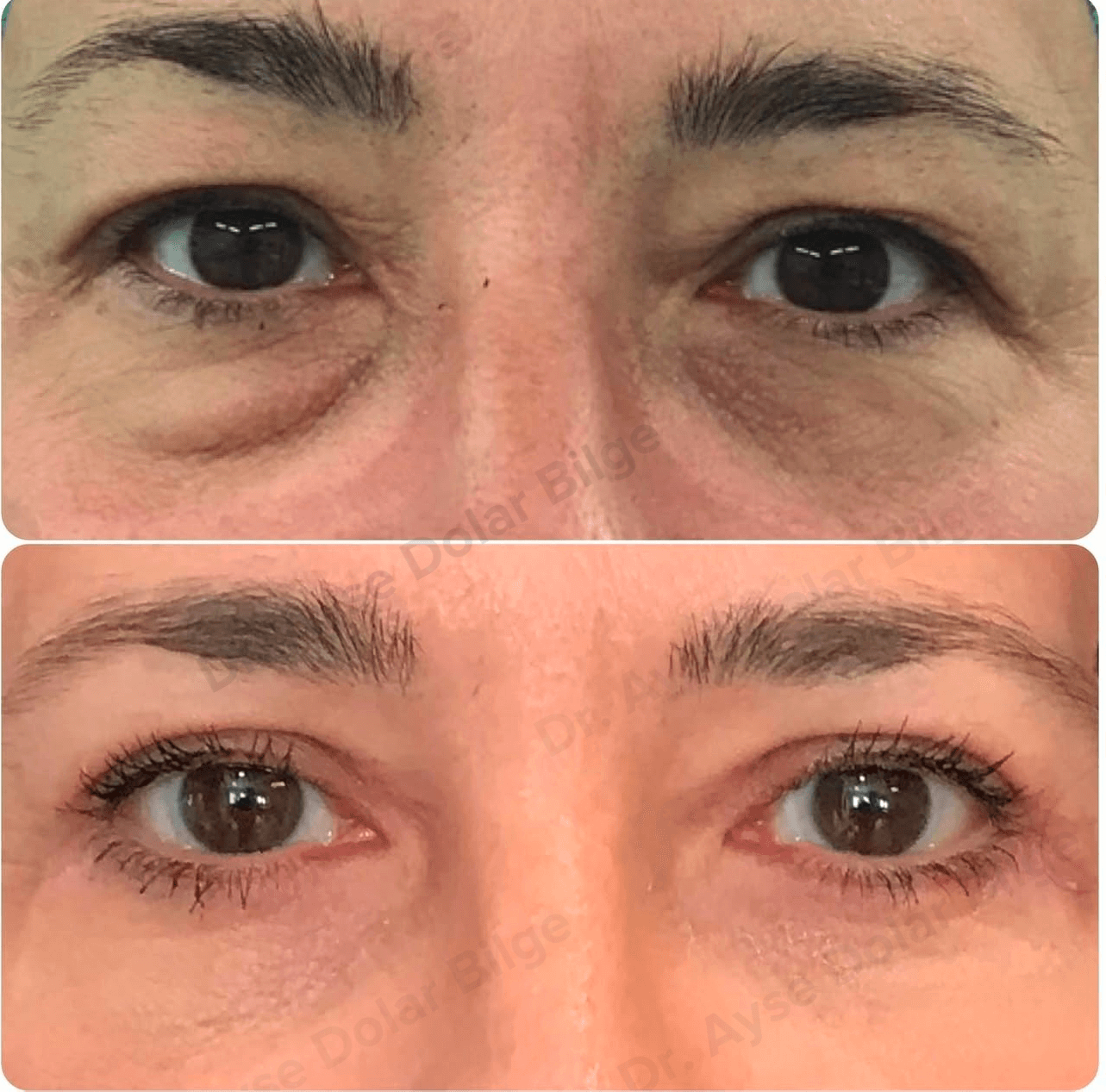
Blepharoplasty
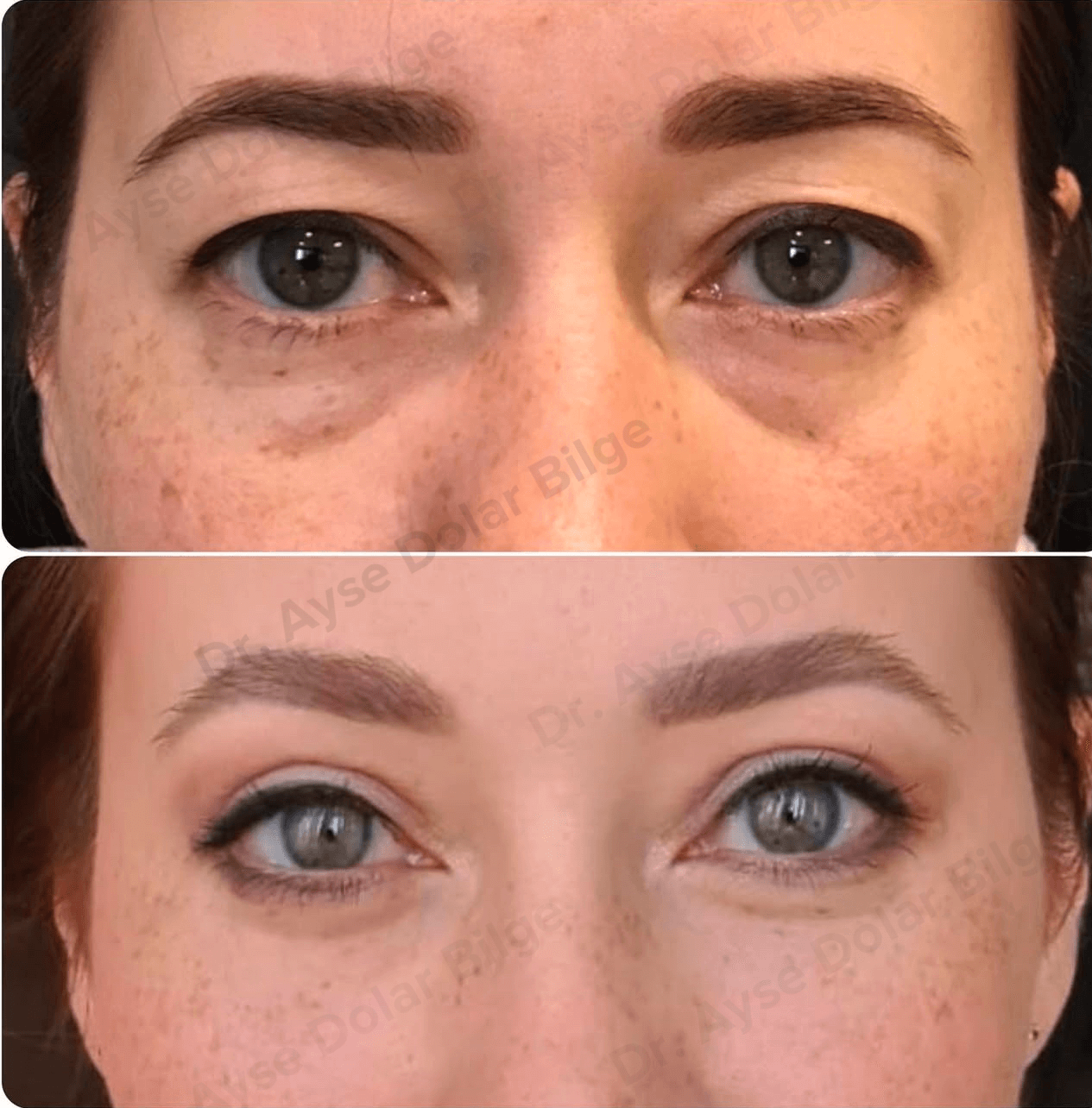
Blepharoplasty
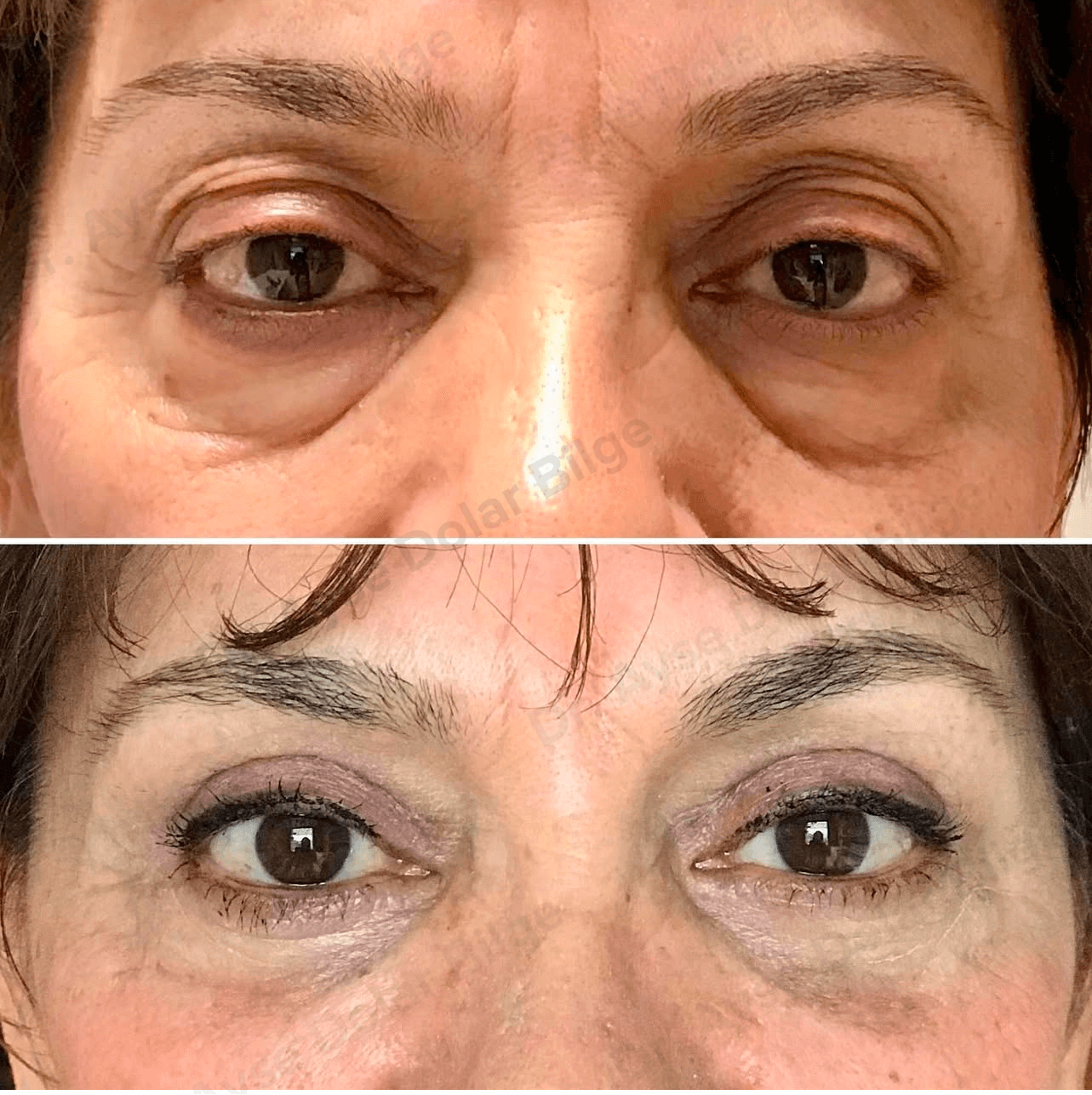
Blepharoplasty
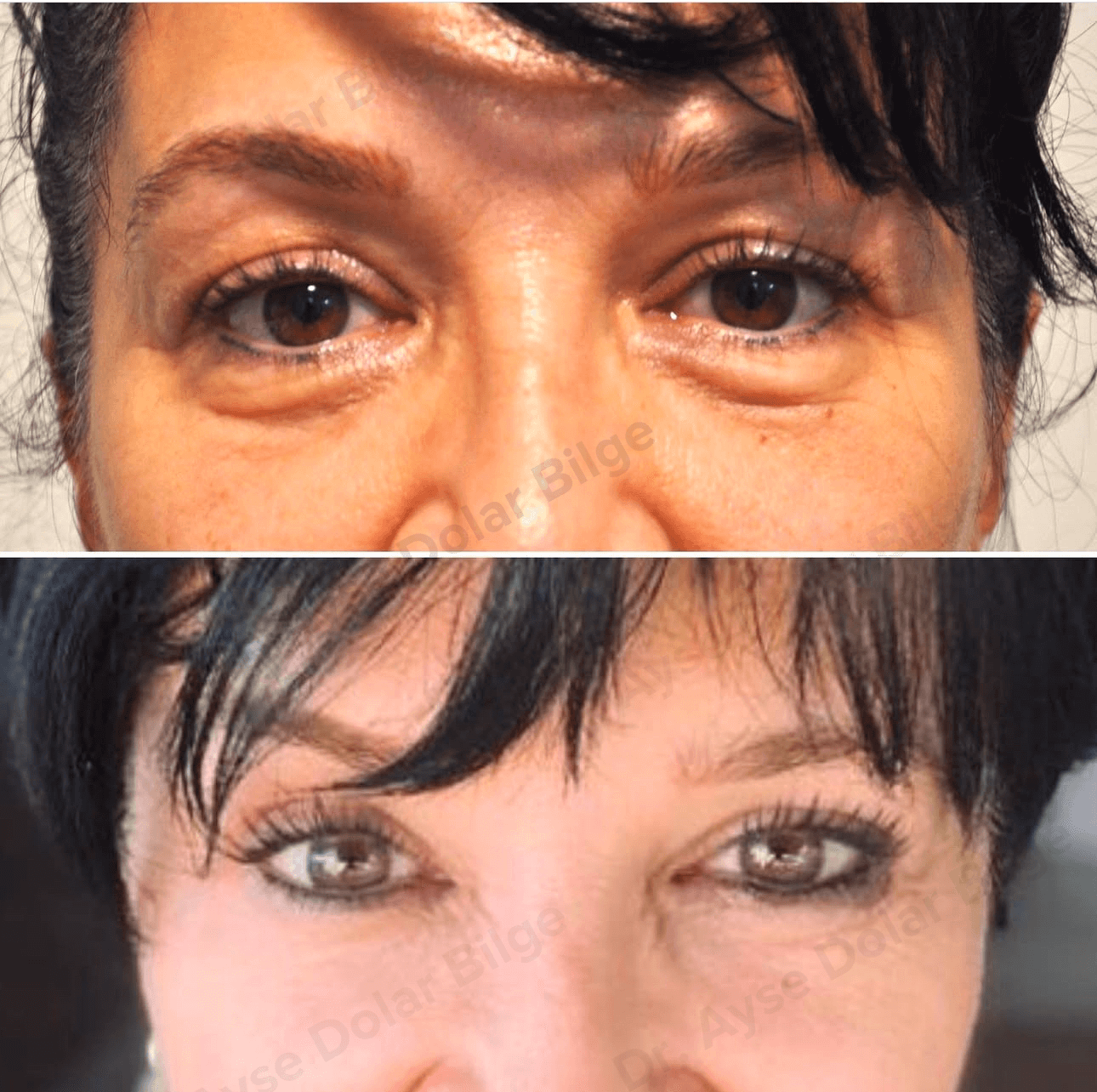
Blepharoplasty
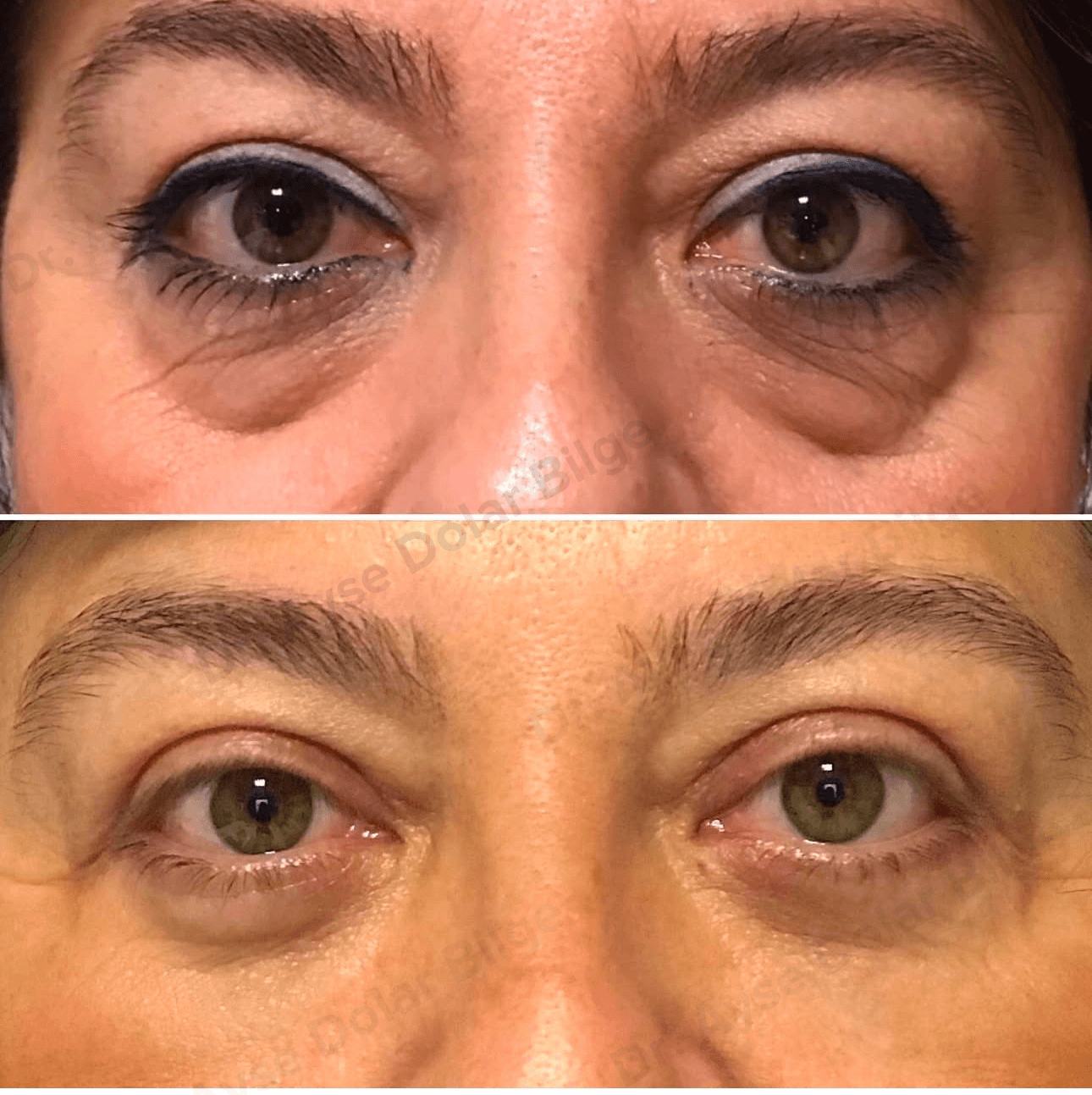
Blepharoplasty
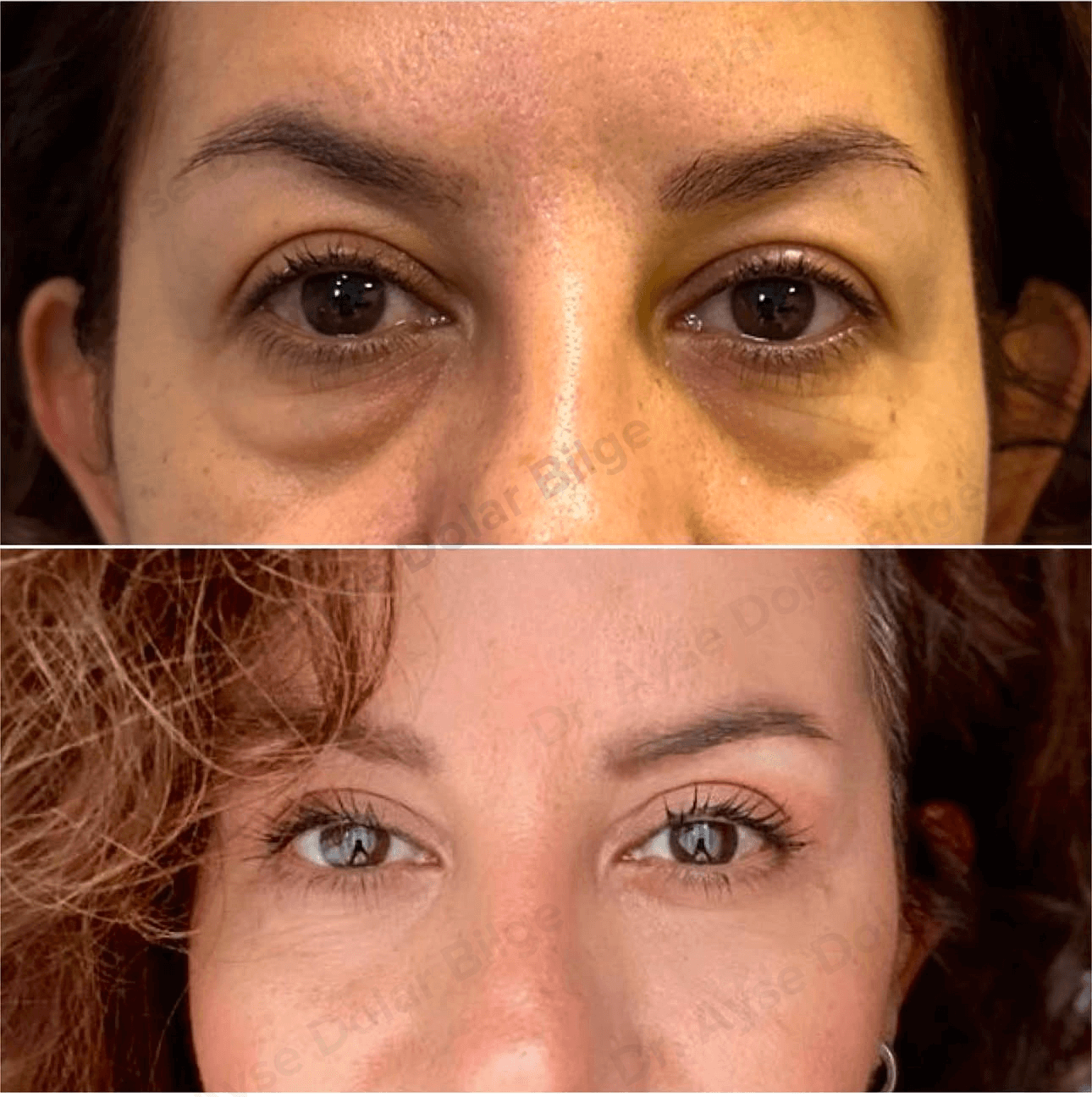
Blepharoplasty
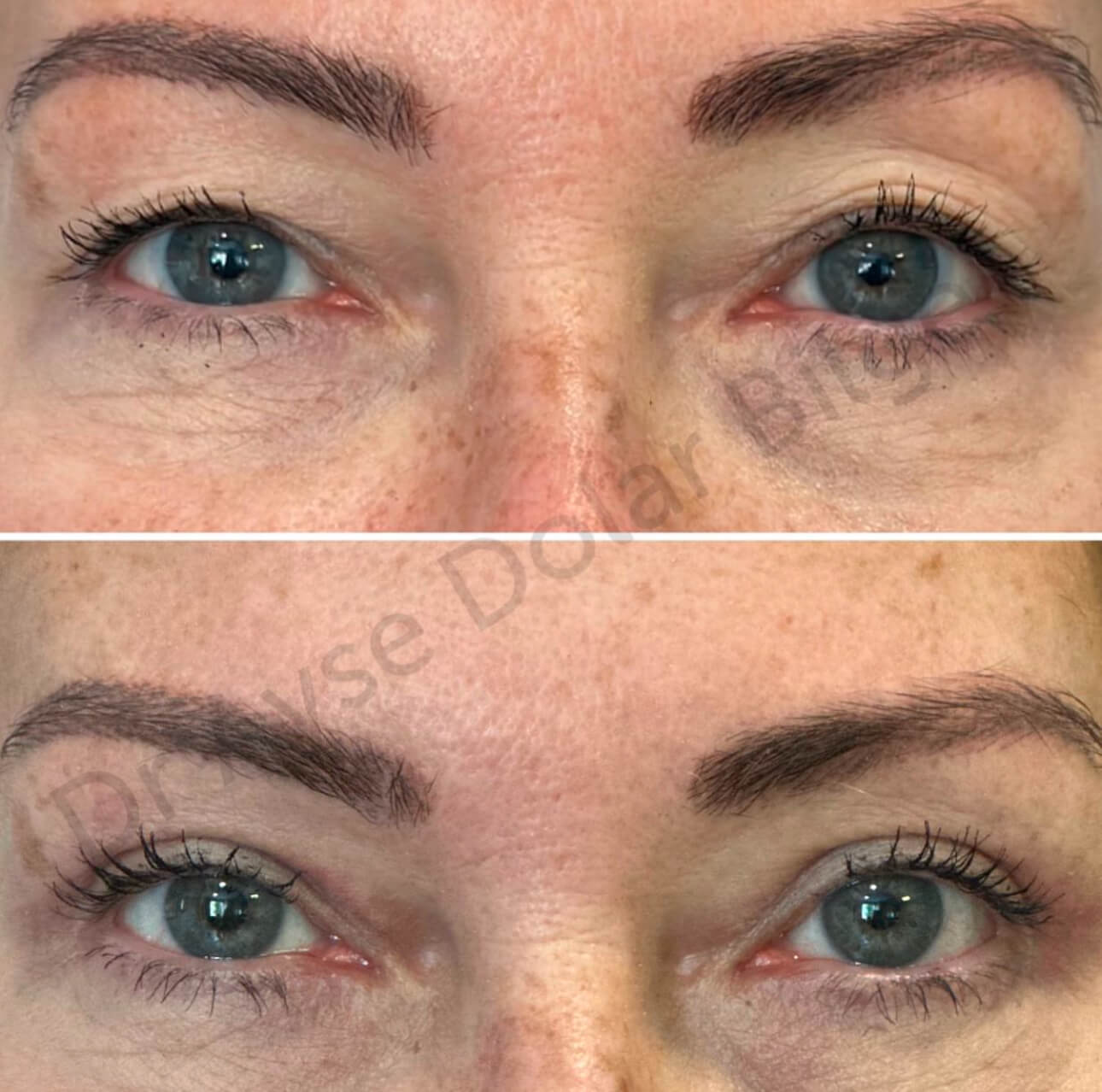
Blepharoplasty
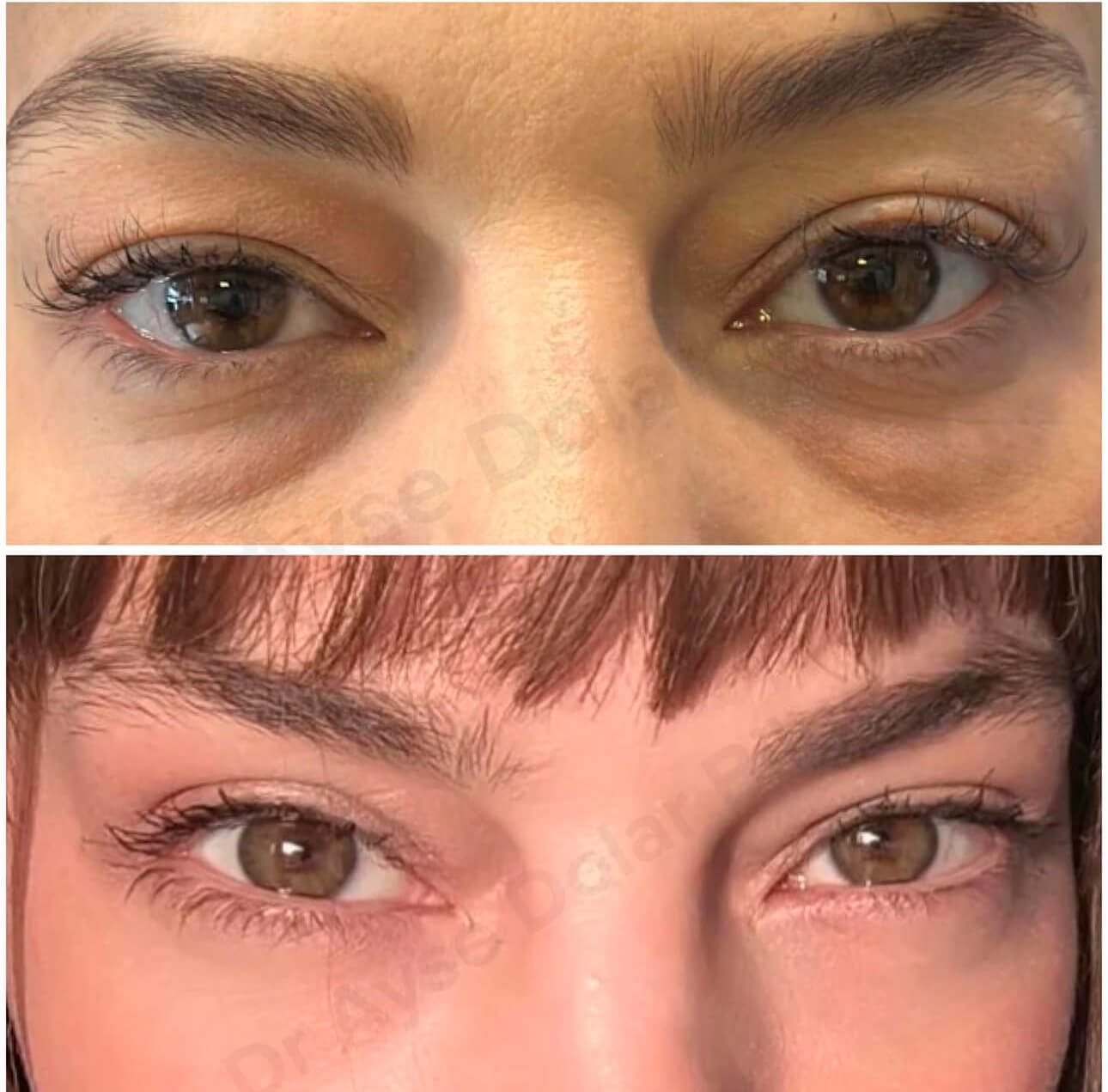
Blepharoplasty
Blepharoplasty
Blepharoplasty
Blepharoplasty
Prosthetic Eye
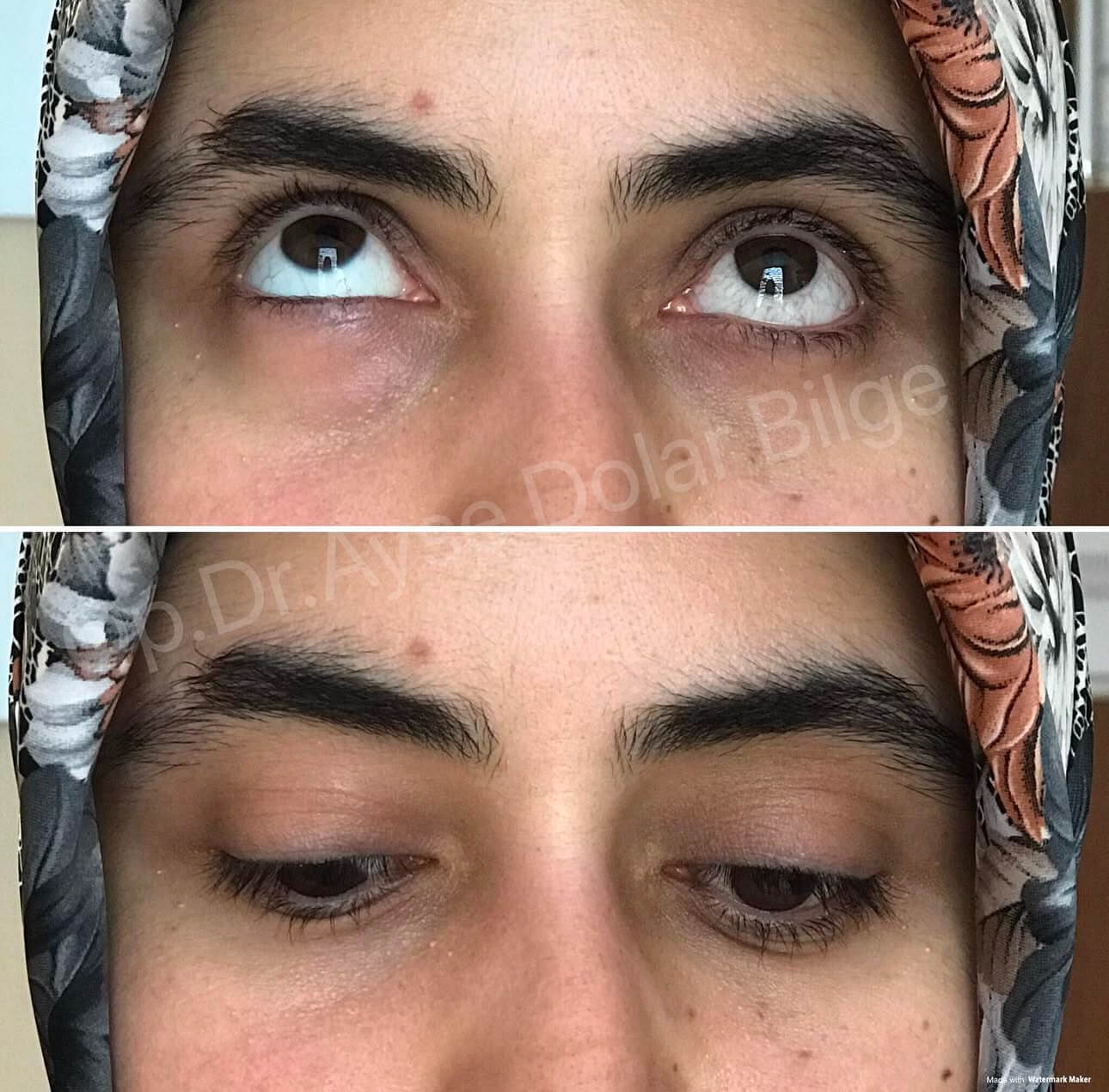
Prosthetic Eye
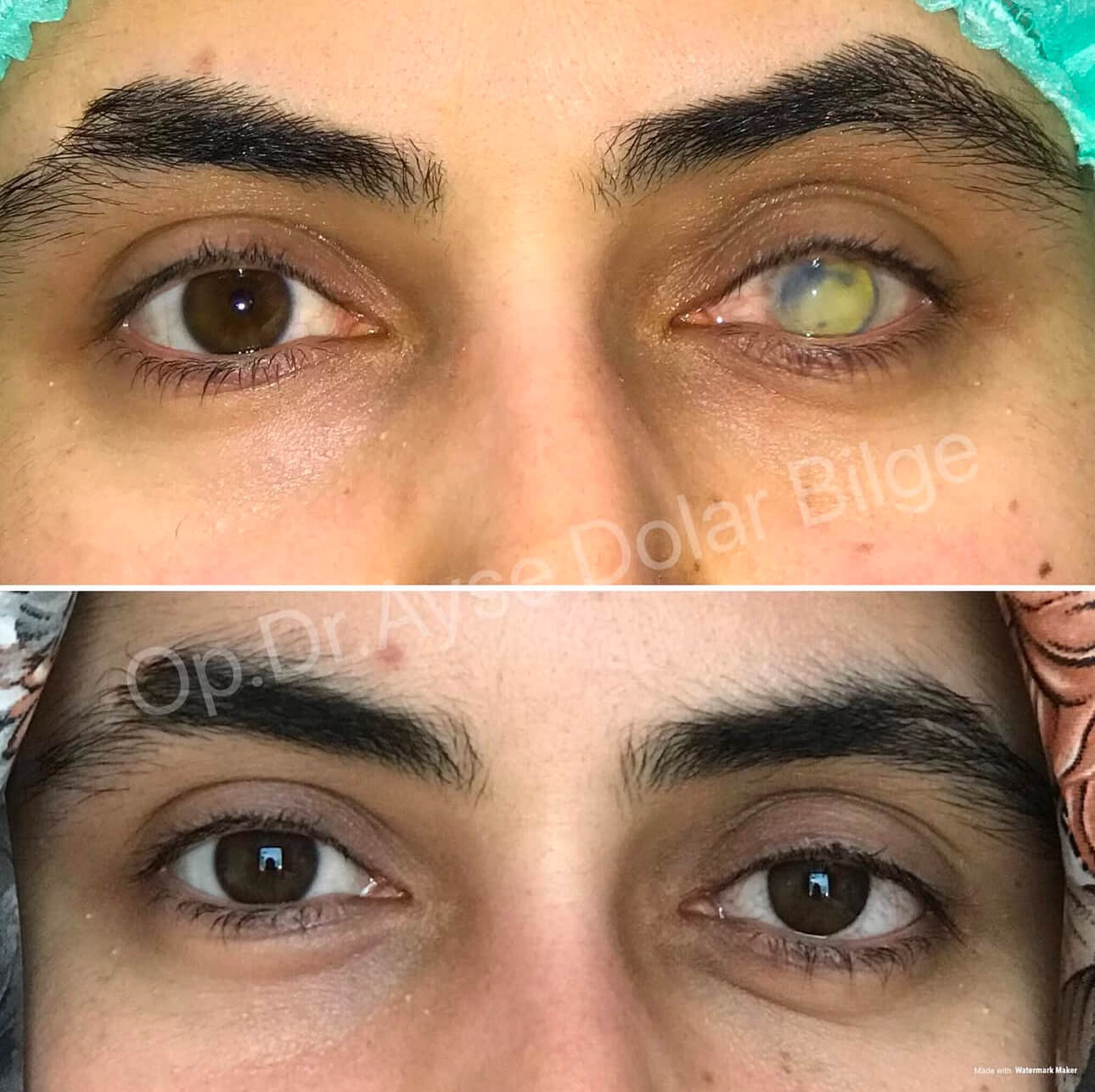
Prosthetic Eye
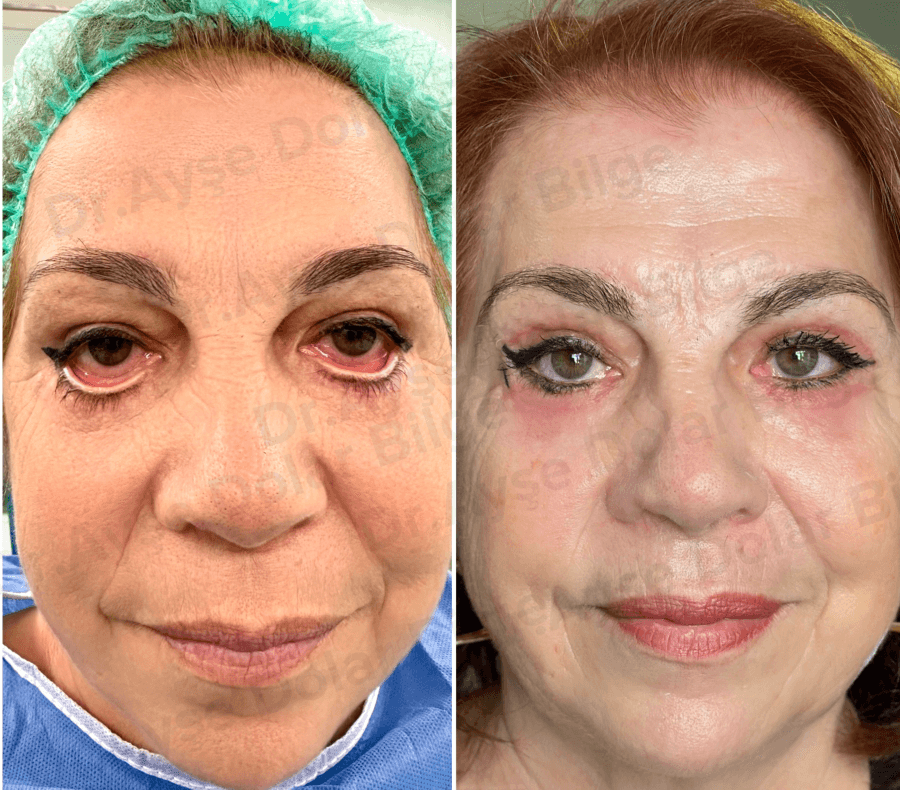
Blepharoplasty Revision
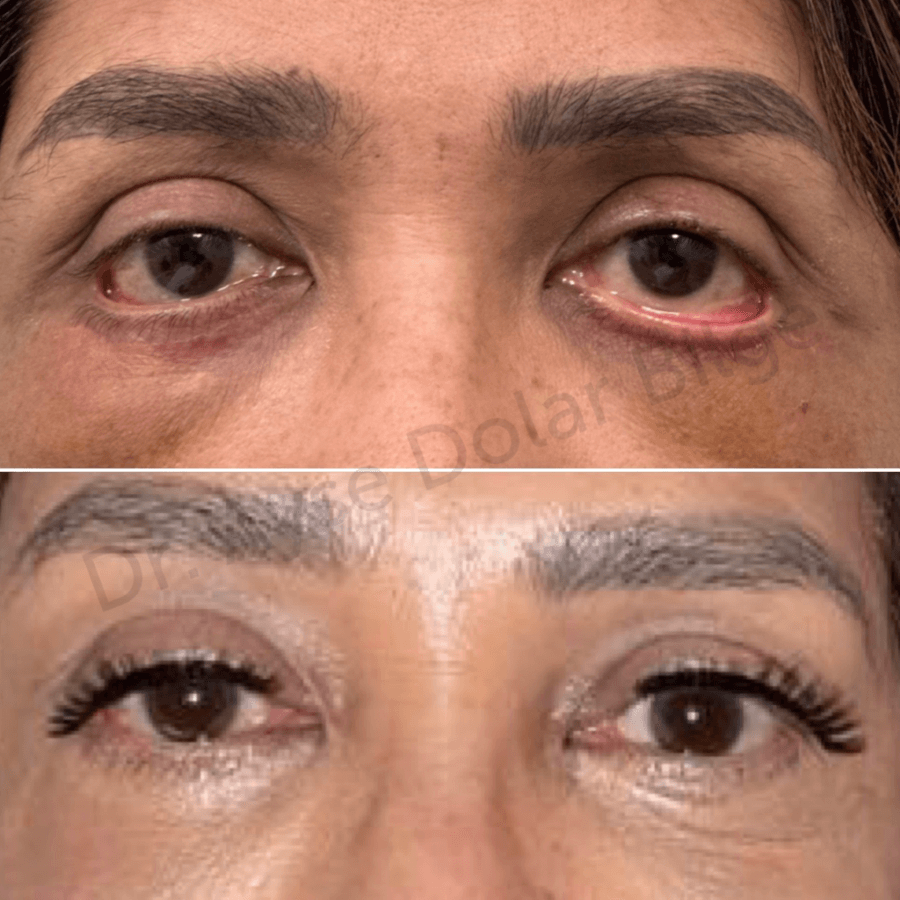
Blepharoplasty Revision
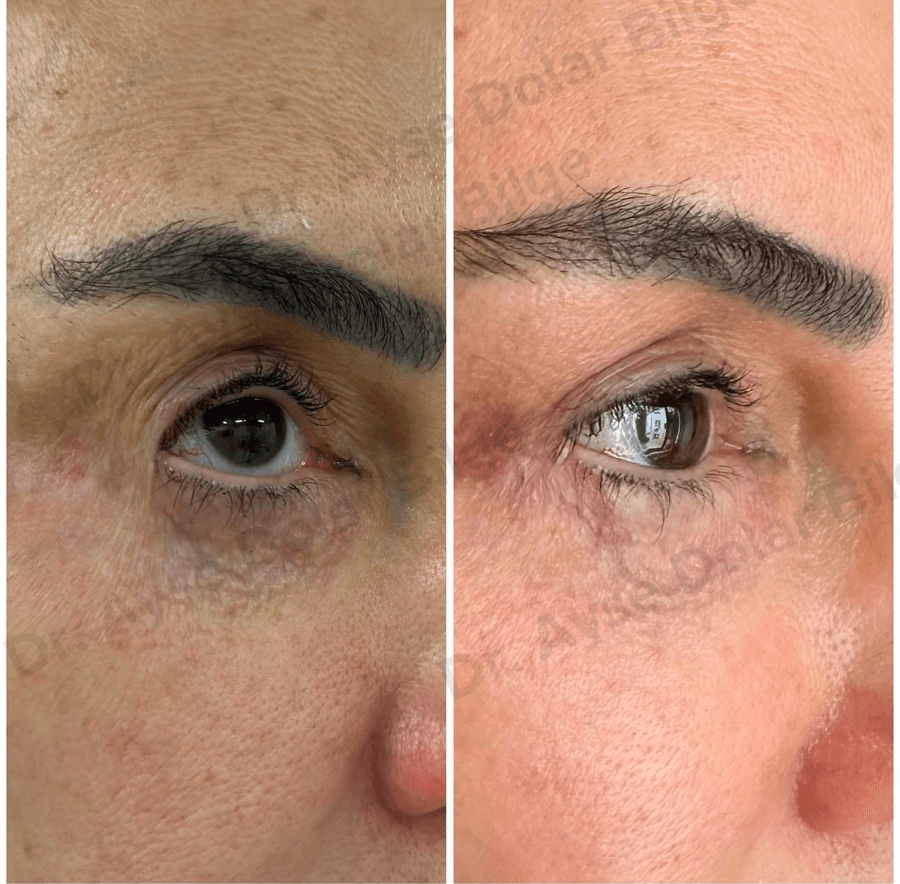
Blepharoplasty Revision
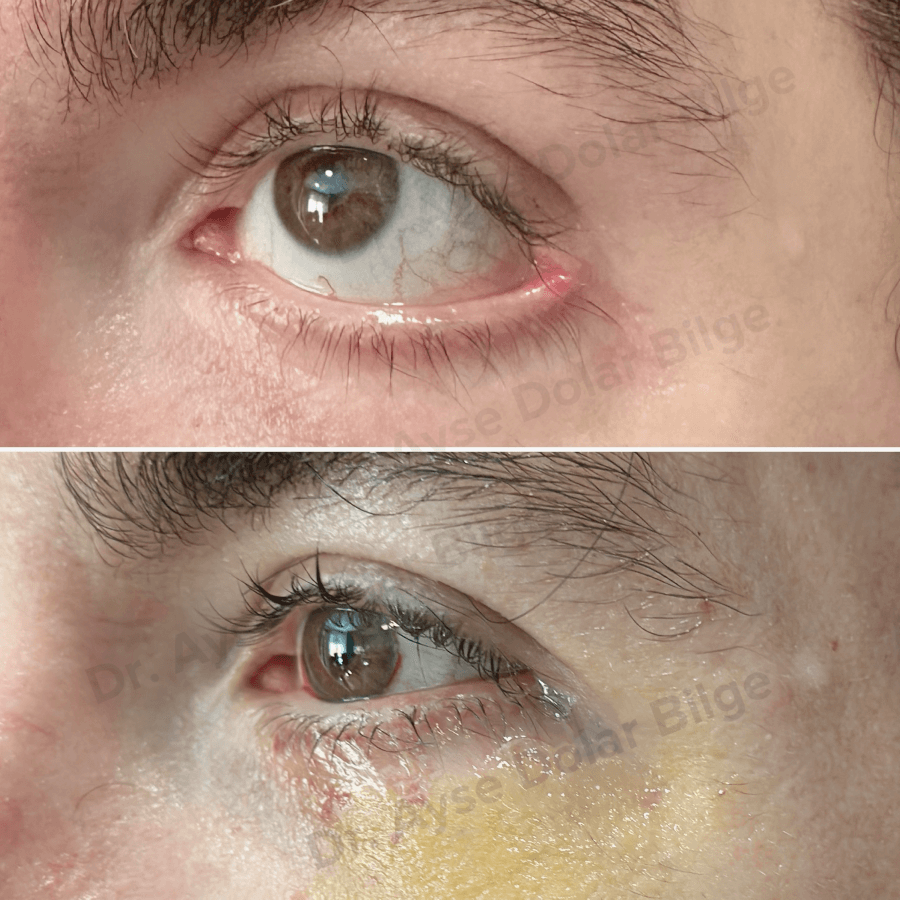
Blepharoplasty Revision
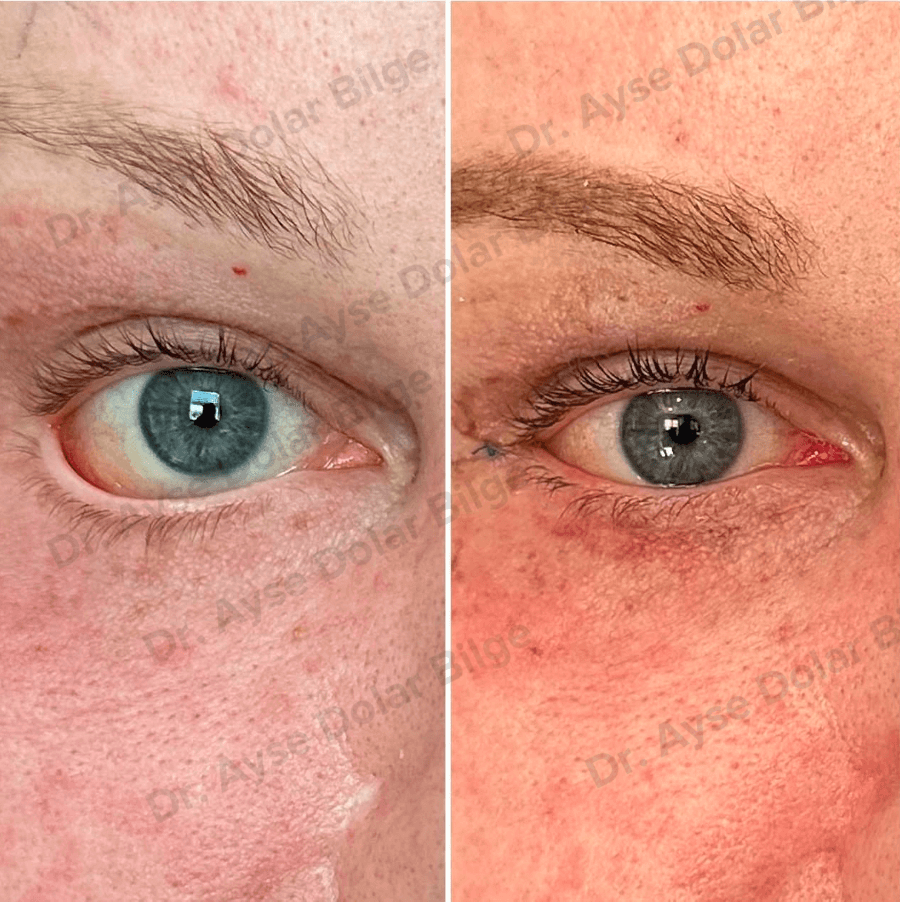
Blepharoplasty Revision
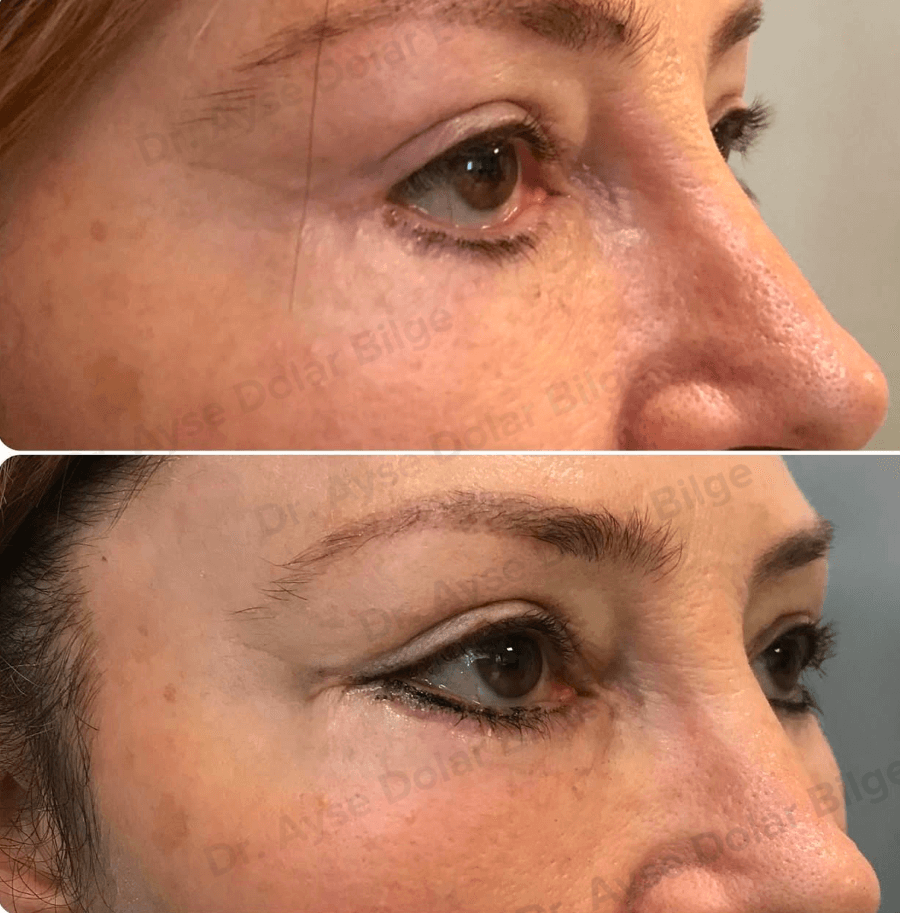
Blepharoplasty Revision
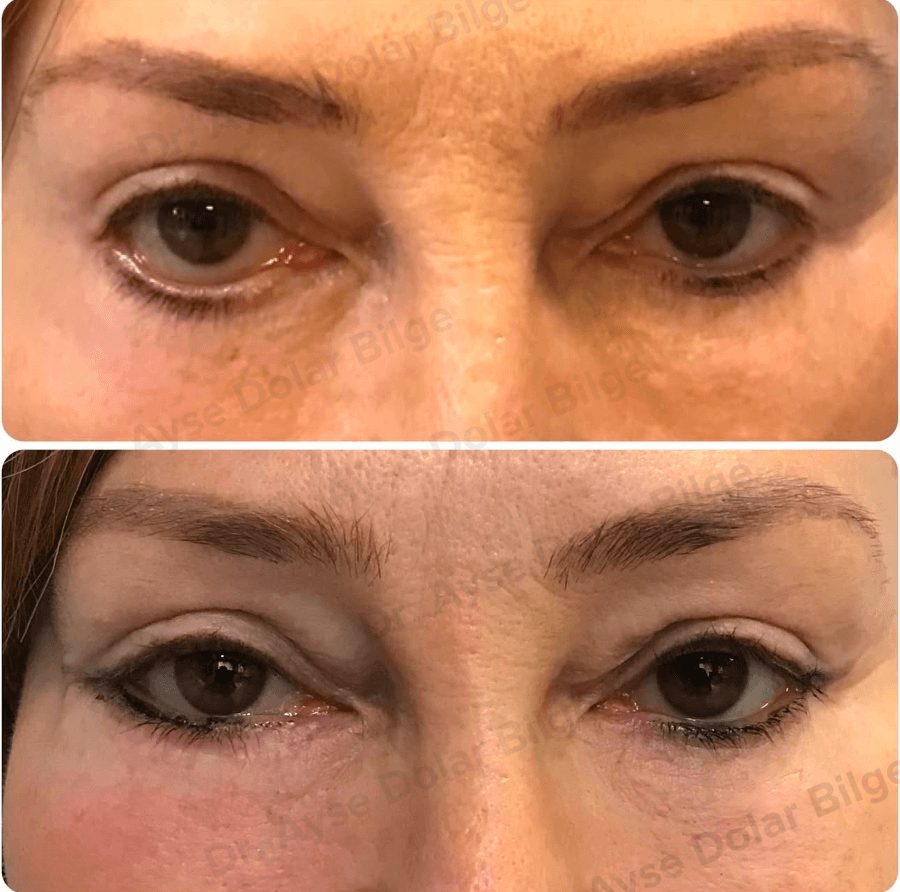
Blepharoplasty Revision
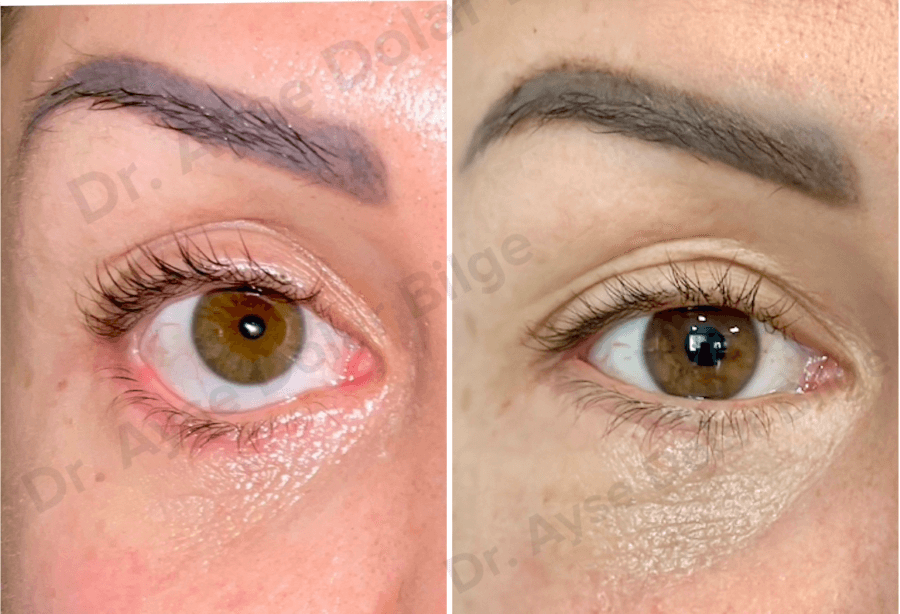
Blepharoplasty Revision
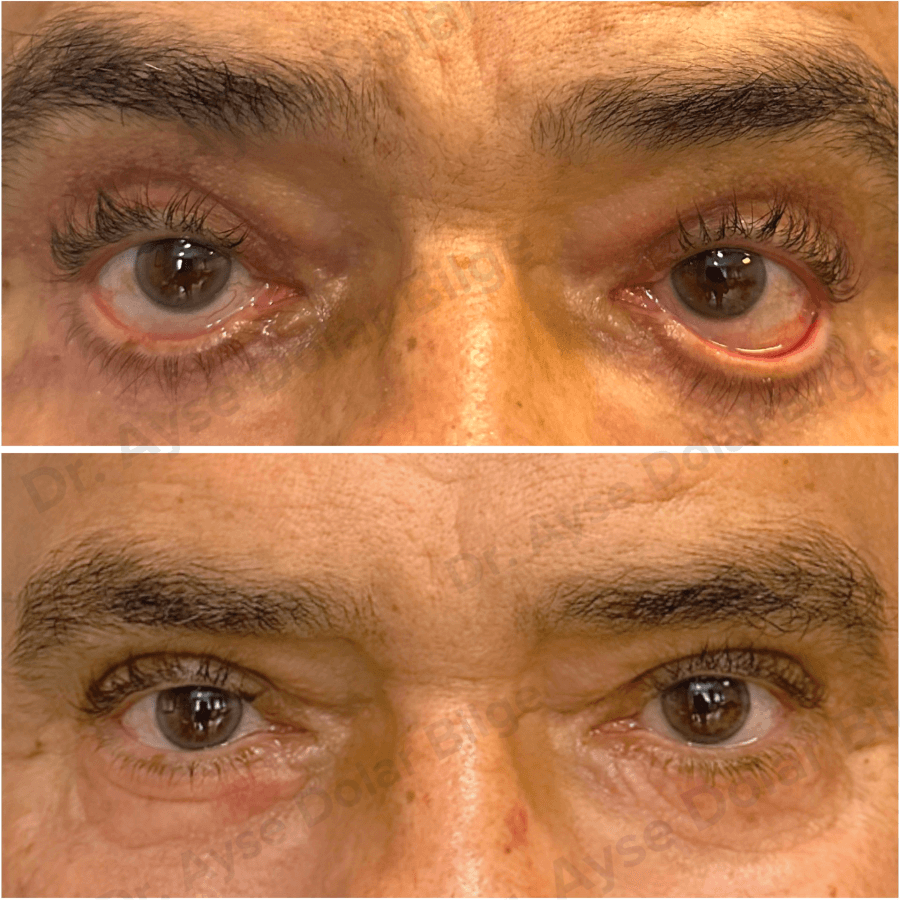
Blepharoplasty Revision
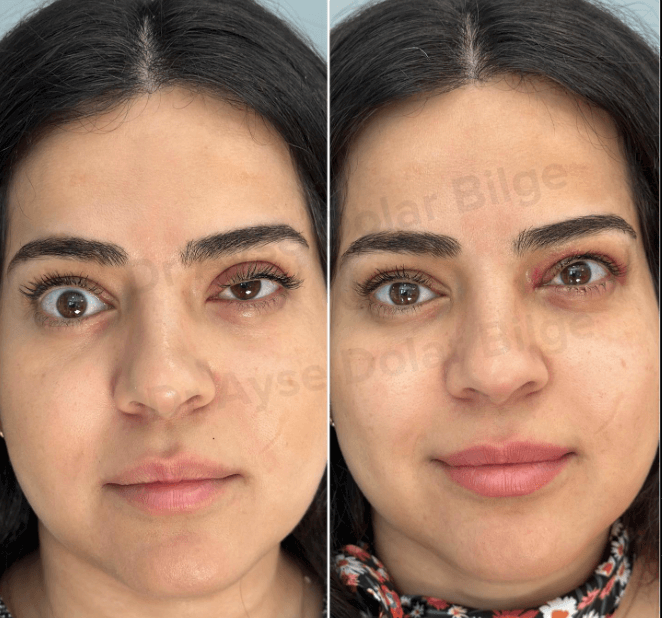
Blepharoplasty Revision
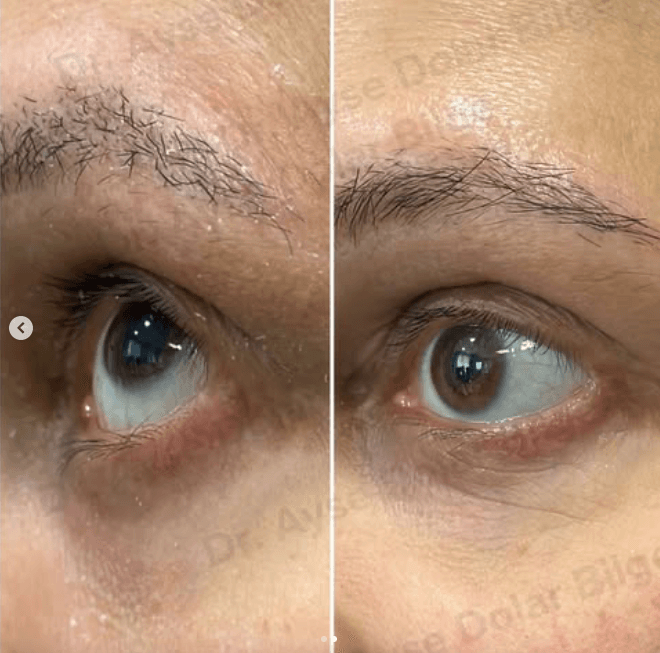
Blepharoplasty Revision
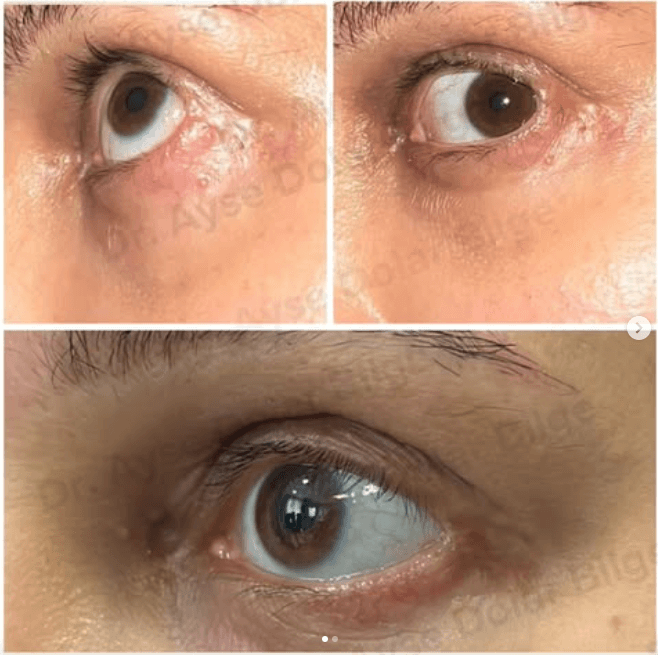
Blepharoplasty Revision
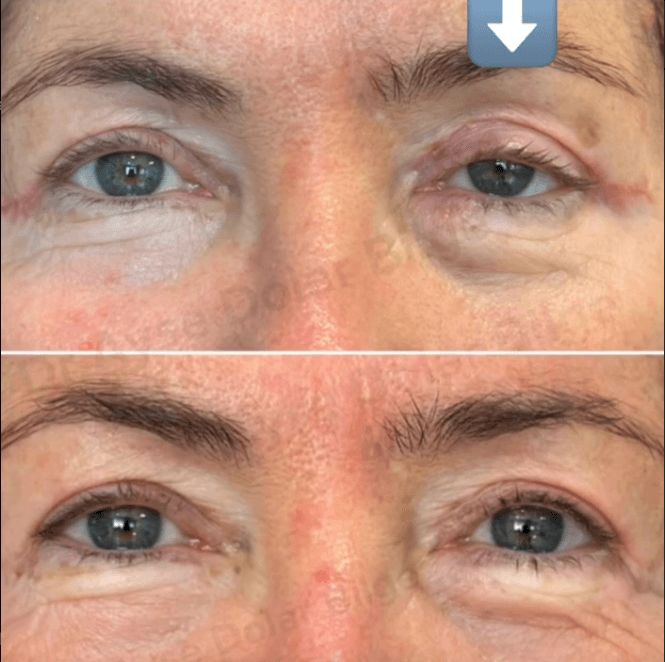
Blepharoplasty Revision
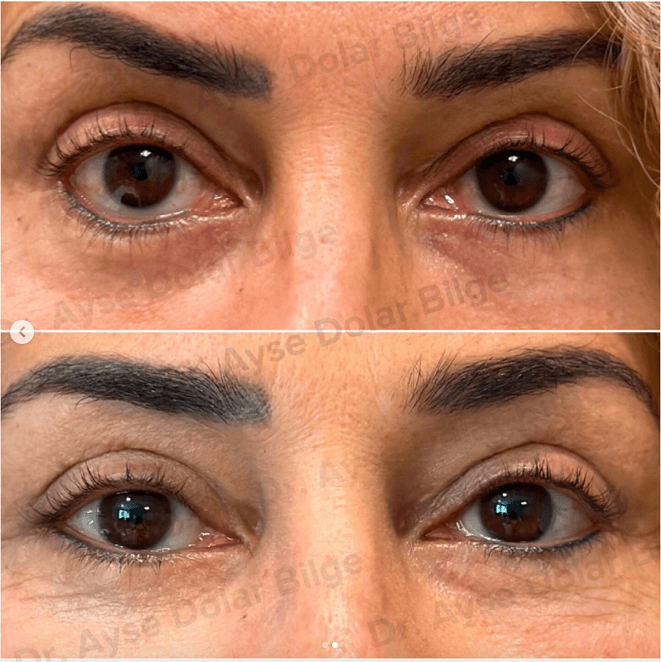
Blepharoplasty Revision
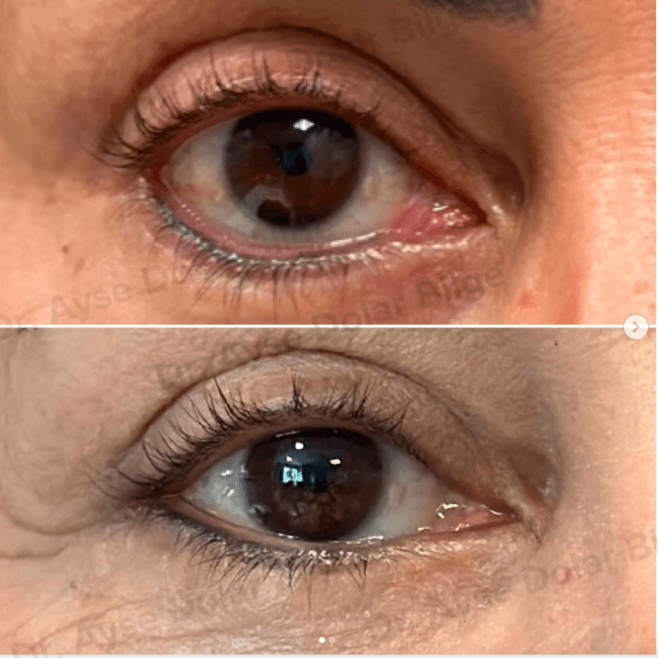
Blepharoplasty Revision
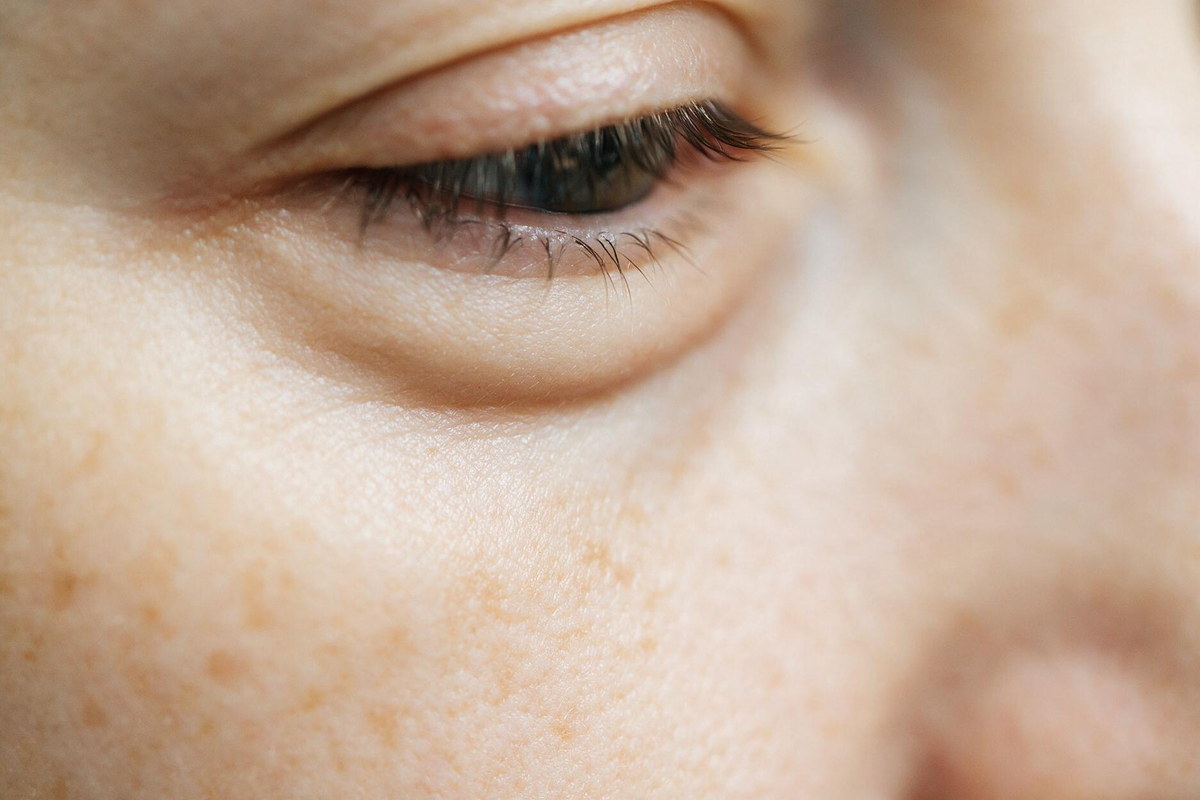
Three separate things overlap in the lower lid: fluid, fat pads that have come forward, and lax skin. I explain how to tell which one you have, why losing weight rarely removes a bag, and where non-surgical options stop being useful.

Dark circles are not one condition but four overlapping ones: pigment, vessels, shadow and thin skin. I explain how to tell which type you have, when the darkness points to allergy or anaemia, and what home measures can and cannot change.

A stye is a small, contained infection of a gland along the eyelid margin, and most settle on their own. Here is why a stye in the eye happens, what warm compresses really do, how a chalazion differs, and which swollen lids need same-day care.
 English
