

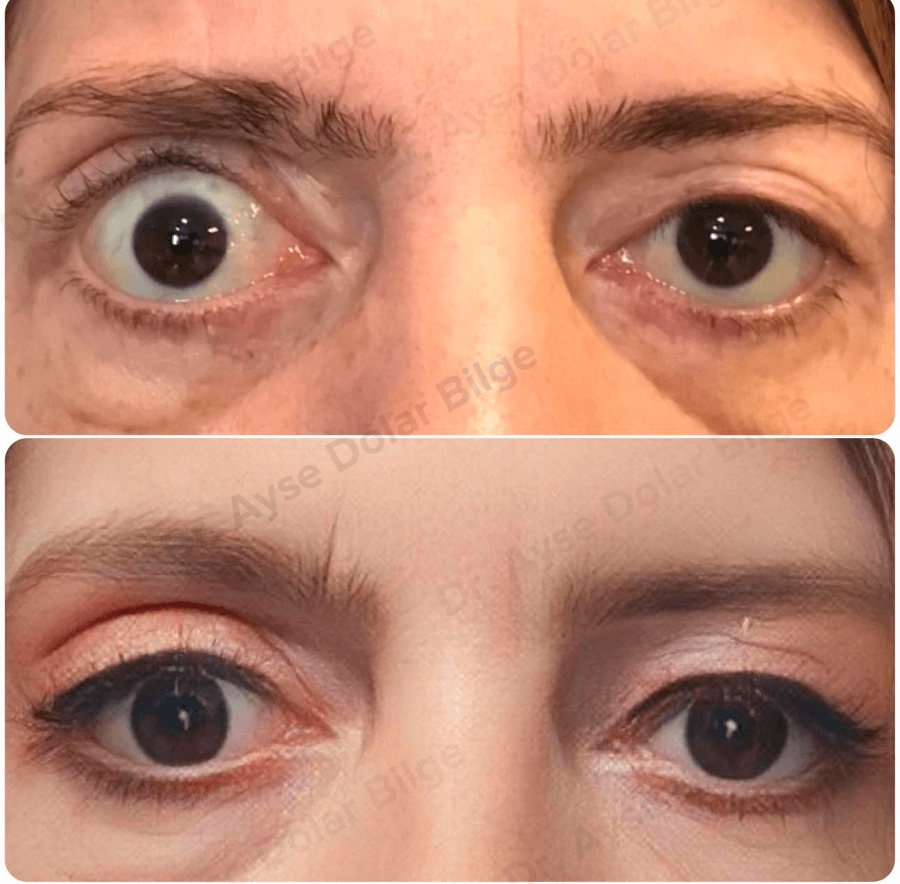
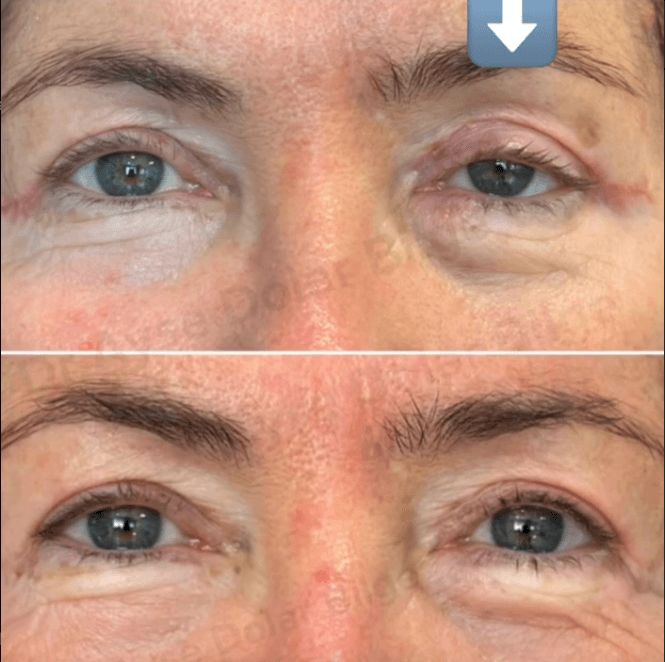
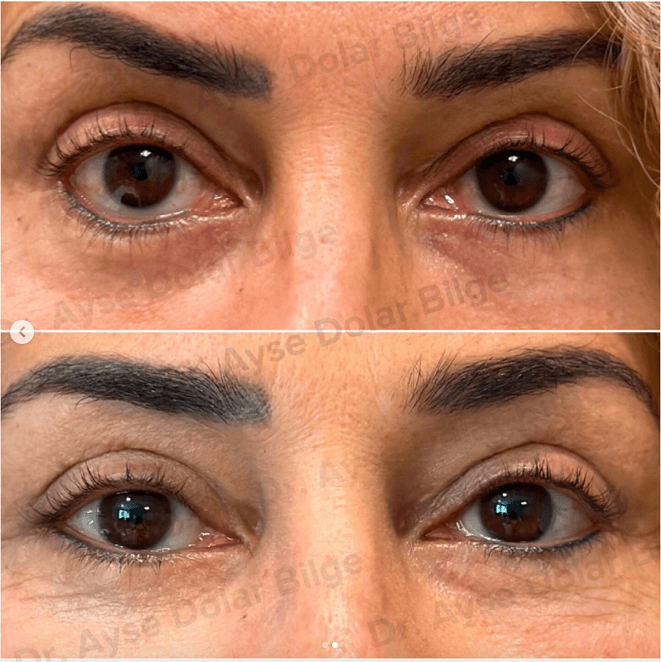
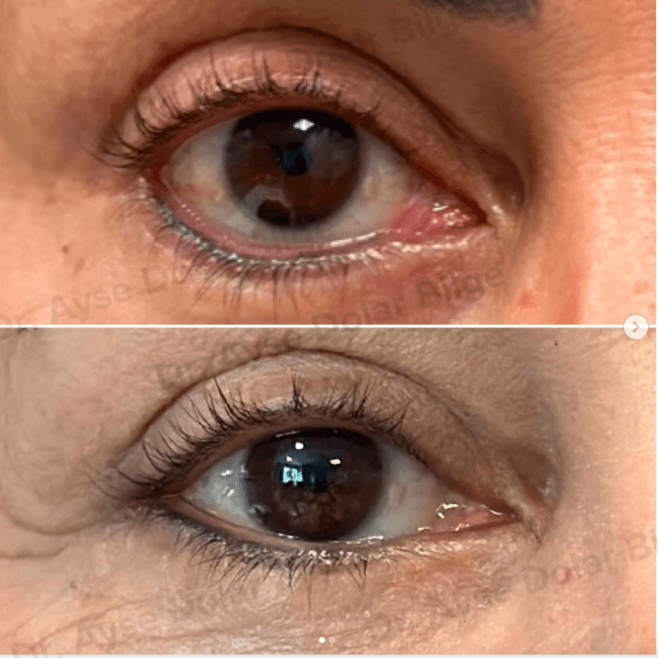
Revision eyelid surgery is a second procedure carried out to correct the appearance and function problems that follow a previous blepharoplasty or other eyelid operation. The aim is not only cosmetic. Restoring the lid's ability to close and to protect the corneal surface is usually the more urgent priority.
Revision is a different undertaking from primary surgery. The natural tissue planes have been disturbed, scar tissue is present, and the amount of remaining tissue is limited. The plan therefore differs entirely from patient to patient; there is no standard technique. Medical and surgical methods are frequently combined in revision cases.
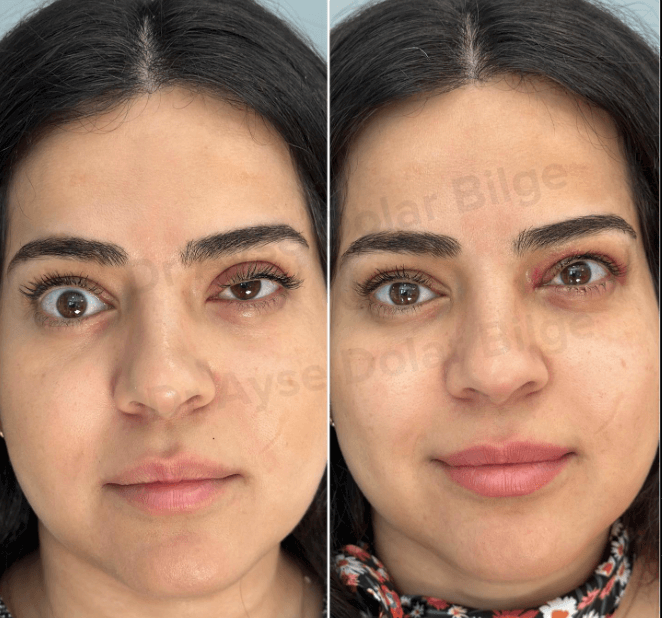
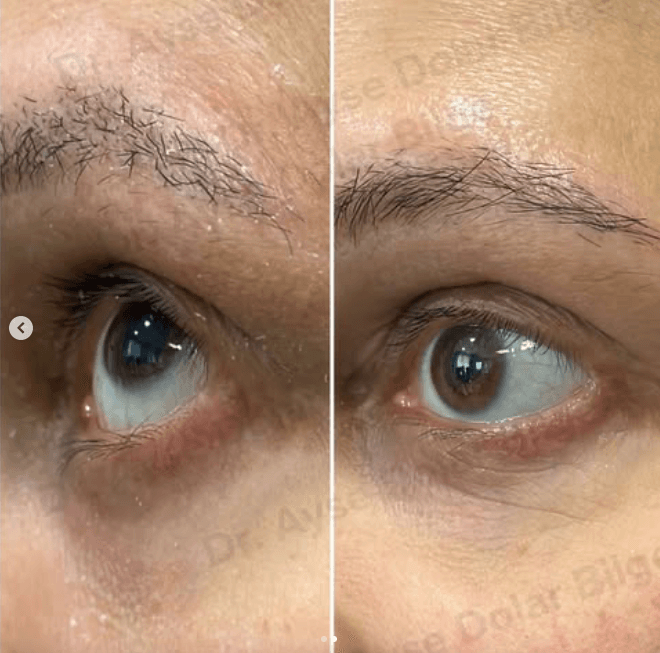
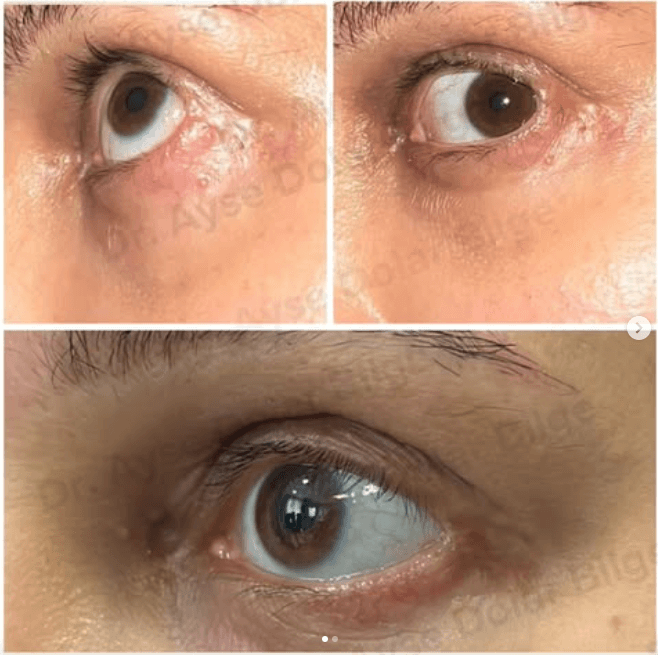
Patients who search for terms such as botched eyelid surgery or blepharoplasty gone wrong are usually describing one of a fairly short list of problems. The most common ones I see are:
In all of these the goal is to restore appearance and, above all, the lid's closing and protective function as far as the remaining tissue allows. The surgical method must be tailored to the individual patient.
In the short video below I go through the most common reasons for dissatisfaction after eyelid surgery.
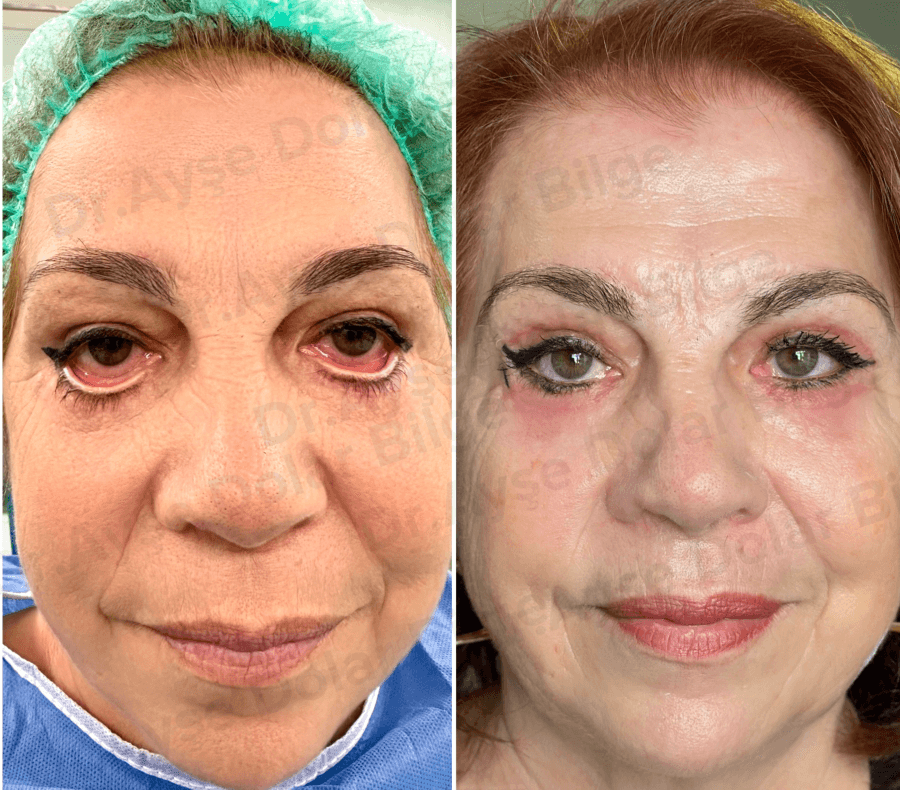
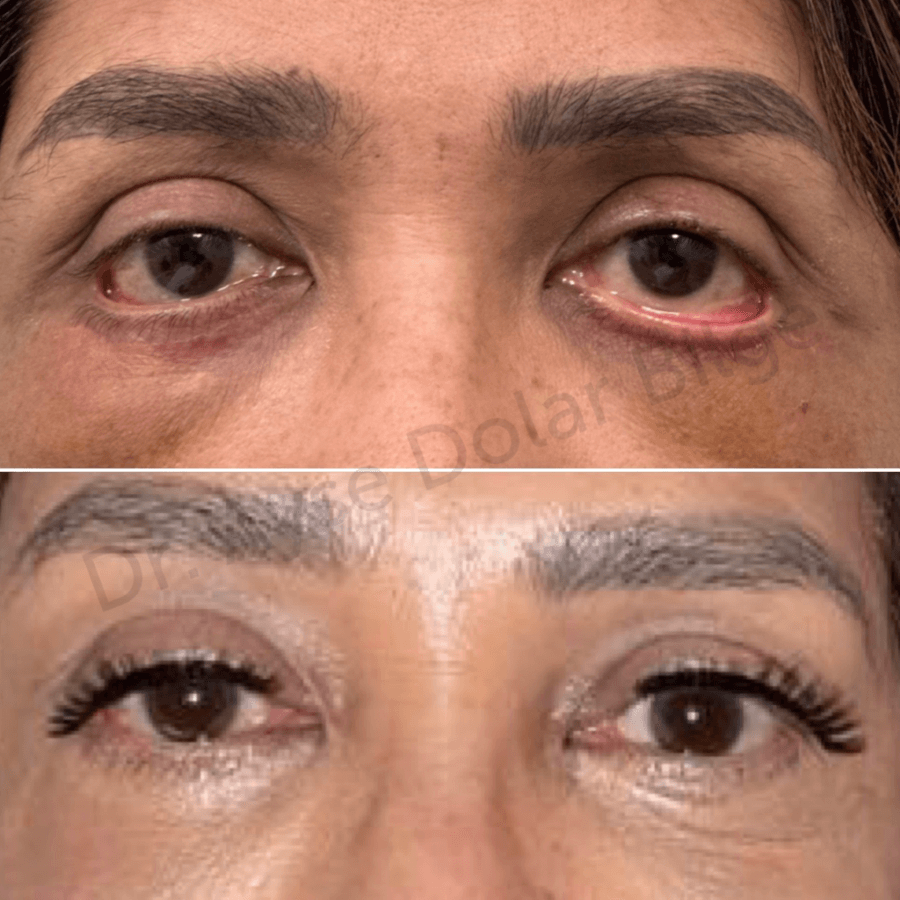
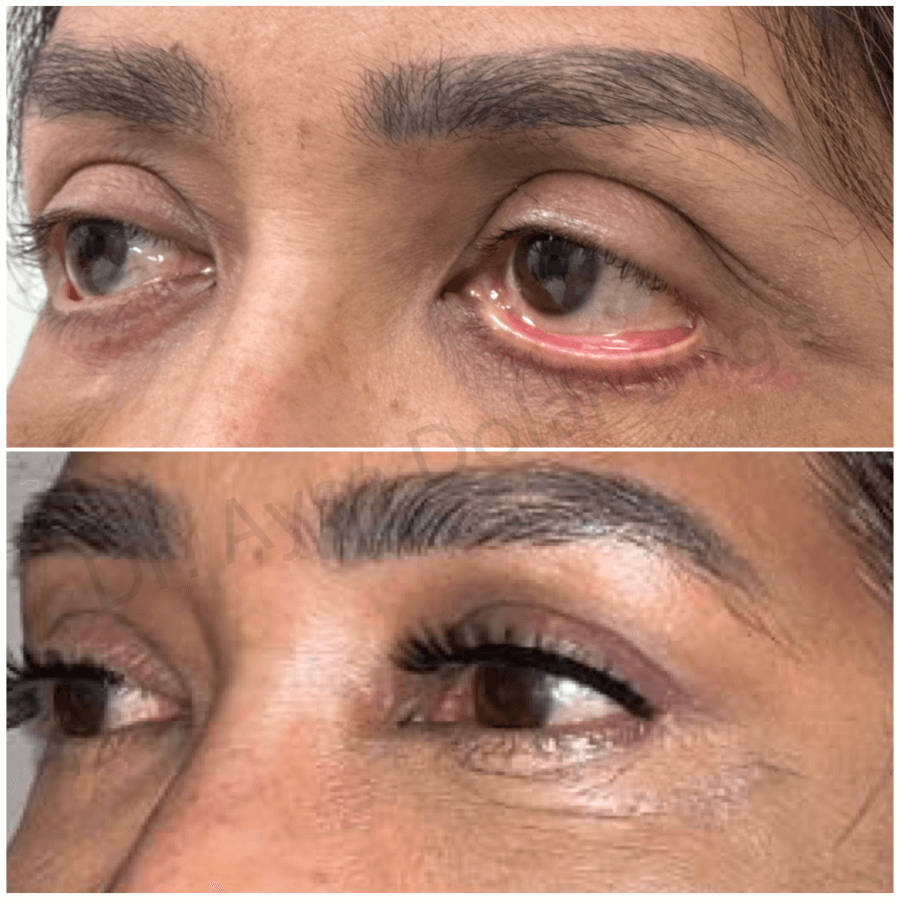
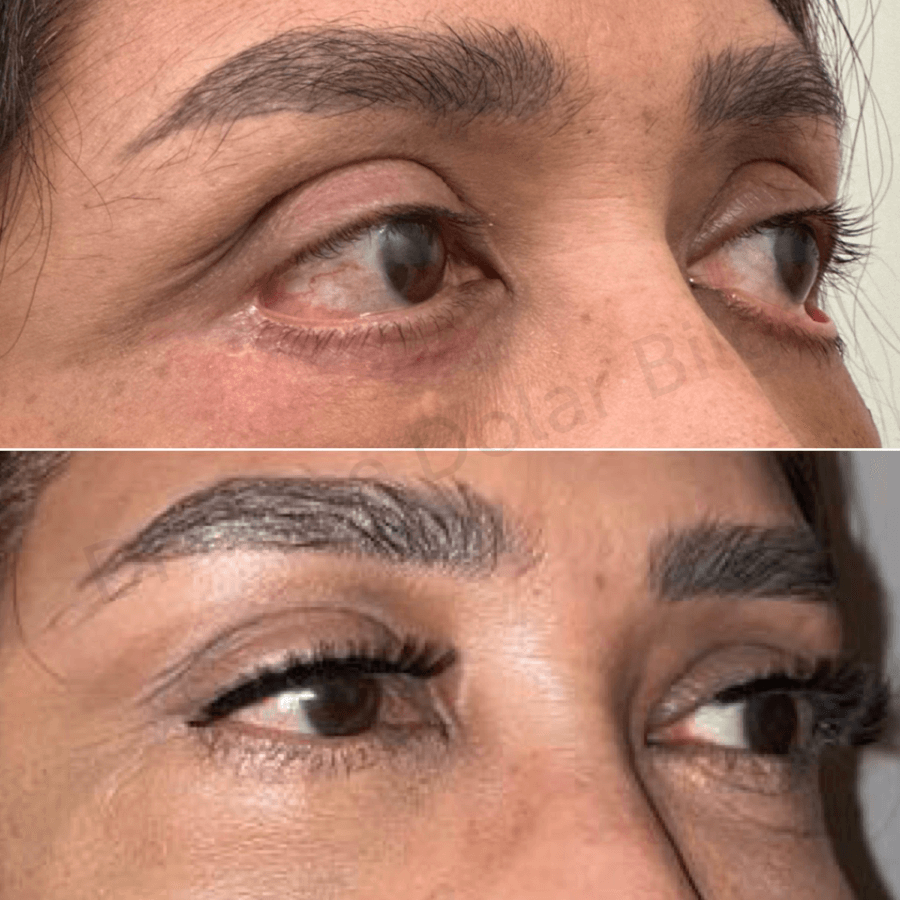
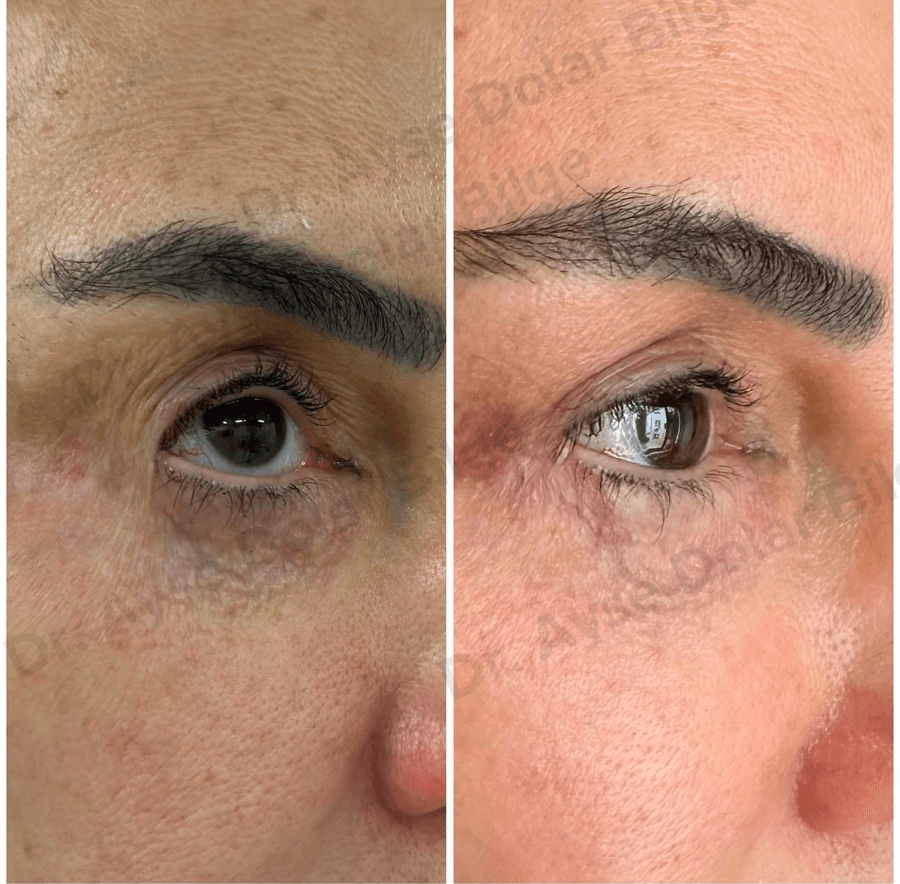
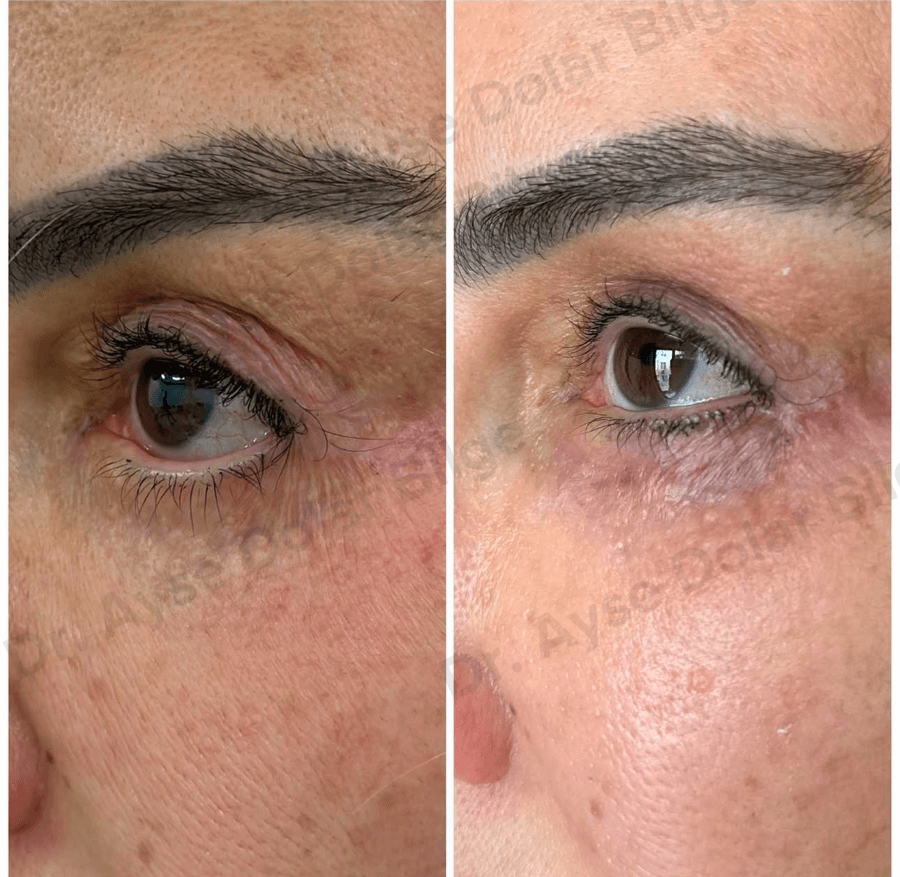
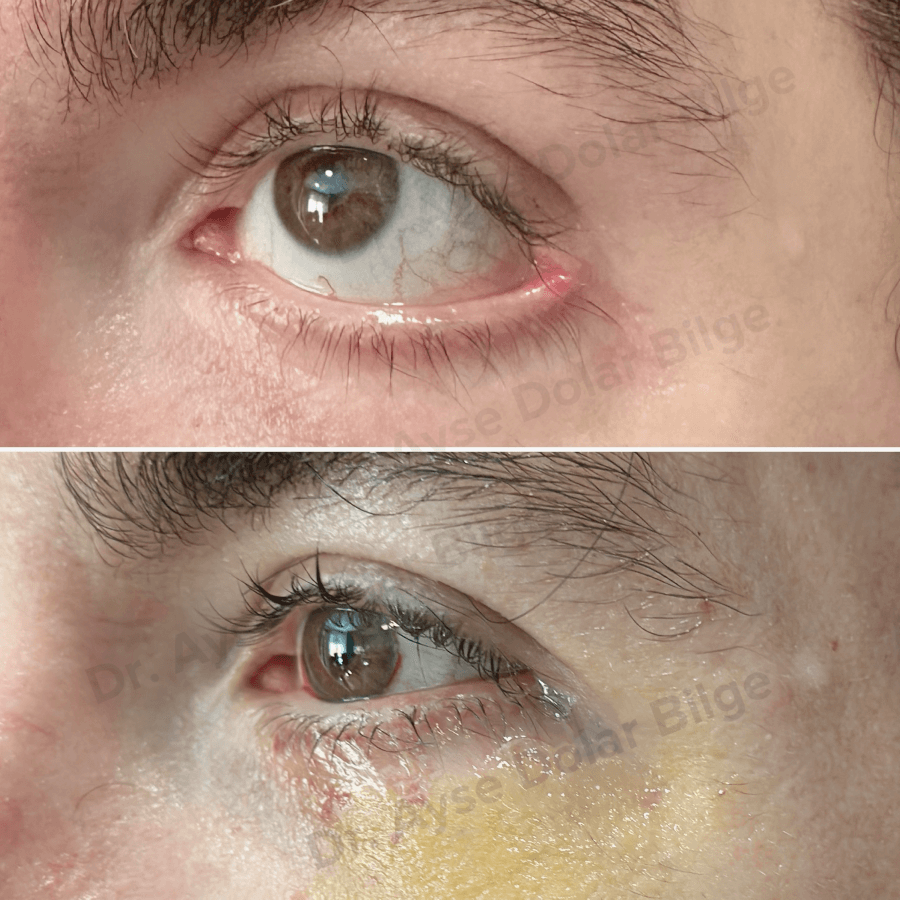
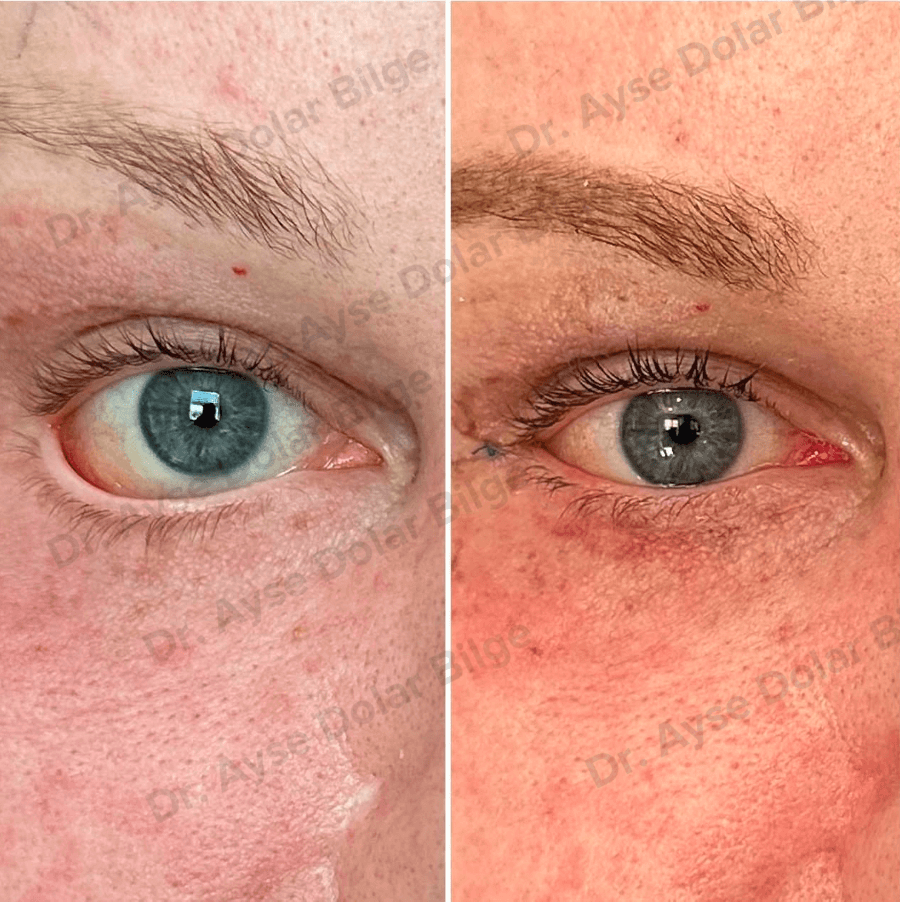
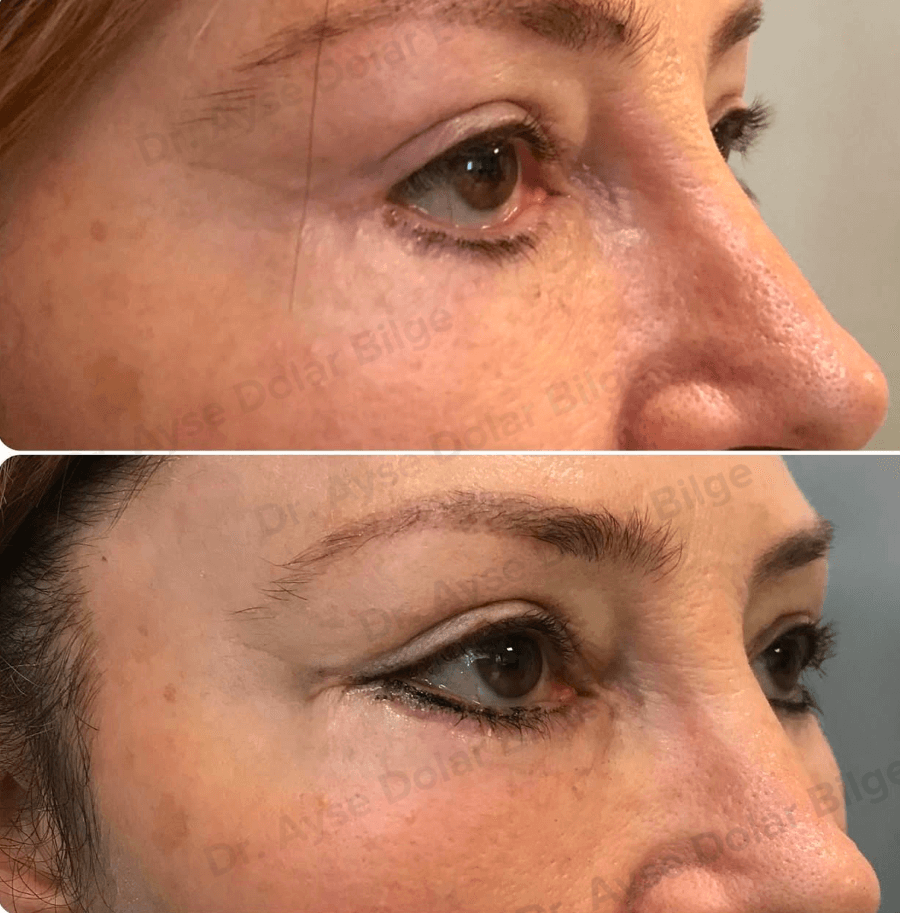
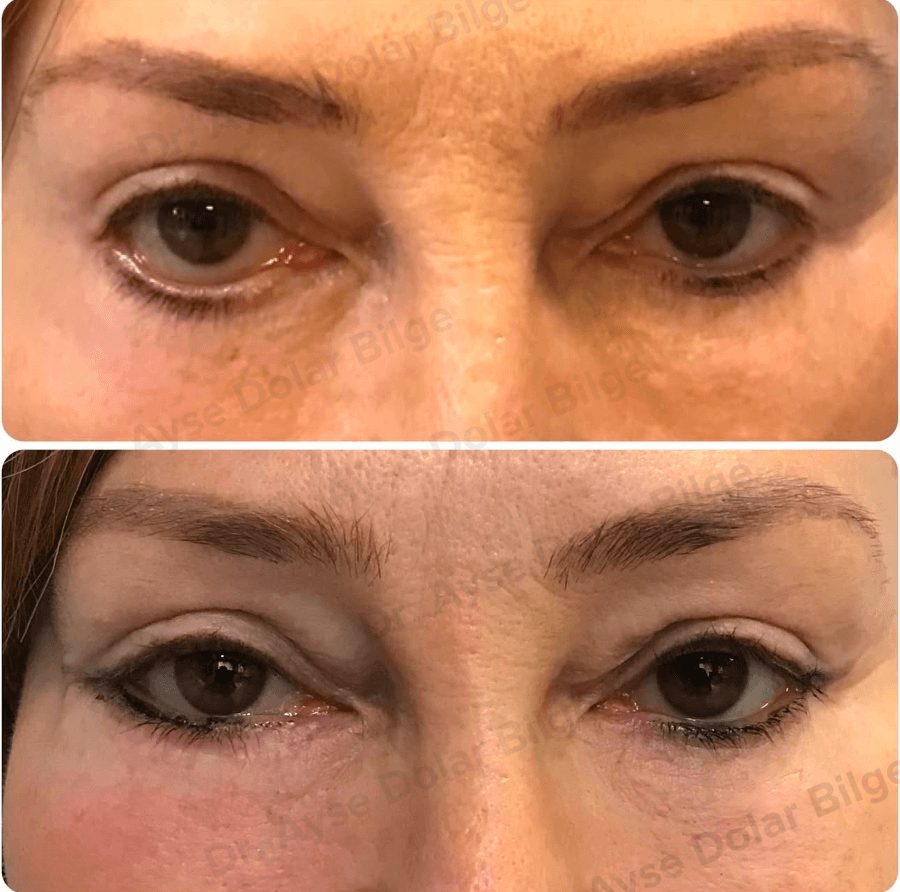
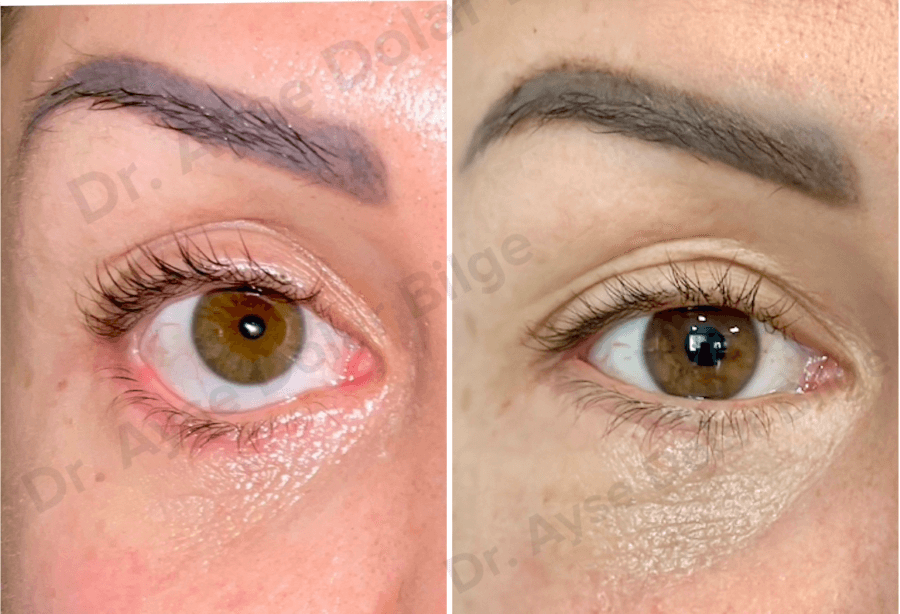
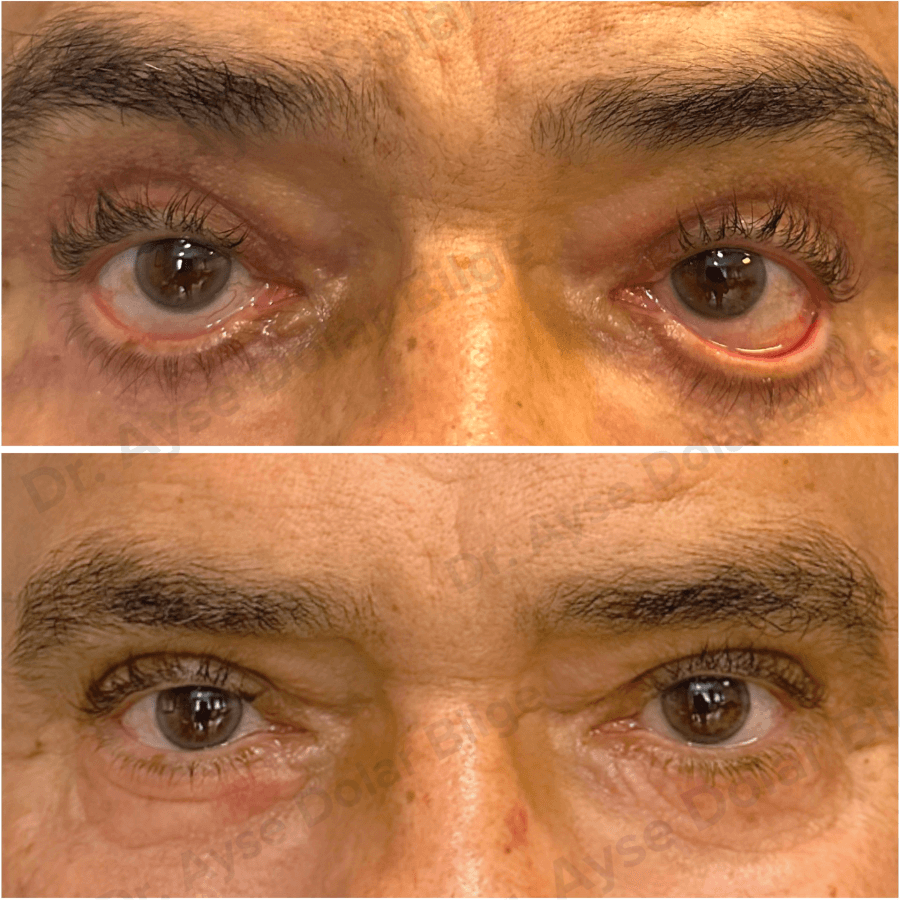
Lower lid complications deserve separate mention, because they are the ones patients live with most uncomfortably. When lower lid laxity is not recognised before surgery, or when skin is removed through the lash line without supporting the lateral canthus, the lid can pull downward. The result is scleral show, a rounded outer corner, constant watering, and an exposed ocular surface.
Correcting this generally means releasing the scar that is pulling the lid, re-establishing lateral canthal support, and where necessary adding tissue in the form of a graft. Volume that was over-resected can sometimes be replaced. Details of the primary procedure are on the lower eyelid blepharoplasty page, and the condition itself on the ectropion and entropion pages.
The appearance immediately after surgery is not the final result. Swelling, firmness along the incision and a sense of asymmetry are normal in the early weeks. Unless there is an urgent problem, I do not usually plan revision before six months; the tissues need to soften and the scar needs to mature.
Some situations, however, cannot wait:
In these cases the ocular surface is protected first, temporary measures are used where needed, and definitive repair is planned afterwards.
Before deciding on a second operation I assess in detail:
This assessment also defines the realistic limits of revision. Tissue that has been removed cannot be put back, though it can be supported with neighbouring tissue.
In the short video below I explain when a skin graft is genuinely needed in revision surgery.
In patients who come to me unhappy after eyelid surgery, ocular surface problems often matter more than appearance. When the lid does not close fully, the tear film is not maintained overnight; mornings bring grittiness, burning, redness and blurred vision. In this situation I treat the surface first and plan surgery afterwards. A revision performed before the surface problem is addressed does not improve the patient's comfort.
The goal of revision surgery is not to reach a point where the first operation appears never to have happened. Scar tissue and the tissue already removed define the limit of what can be achieved. The realistic aims are these: that the lid closes and protects the eye, that the ocular surface is safe, that the difference between the two sides is reduced, and that lid shape is brought closer to natural.
Discussing these aims openly before surgery is the single step that most determines how the result is received. Related pages: upper eyelid blepharoplasty, cosmetic eyelid procedures, periocular rejuvenation.
I am an ophthalmologist working in oculoplastic surgery in Kadıköy, Istanbul. I hold the FEBO diploma of the European Board of Ophthalmology and am an active member of ESOPRS, the European Society of Ophthalmic Plastic and Reconstructive Surgery, and of the Oculoplastic Surgery Unit of the Turkish Ophthalmological Association.
Patients who contact me about revision are often writing from abroad, and the first question is usually whether anything can be done at all. That cannot be answered from photographs alone; lid closure, tear production and lid tone have to be measured. What I can say in advance is which findings would need to be documented, so that a consultation is not spent gathering information that could have been prepared beforehand.
 English
