

The delivery of hyaluronic acid, vitamins and antioxidants into the middle layer of the skin through fine needles. Around the eyes it supports hydration, fine lines and pigmentary under-eye darkening. It is performed in a clinical setting and patients return to daily life within a few hours.
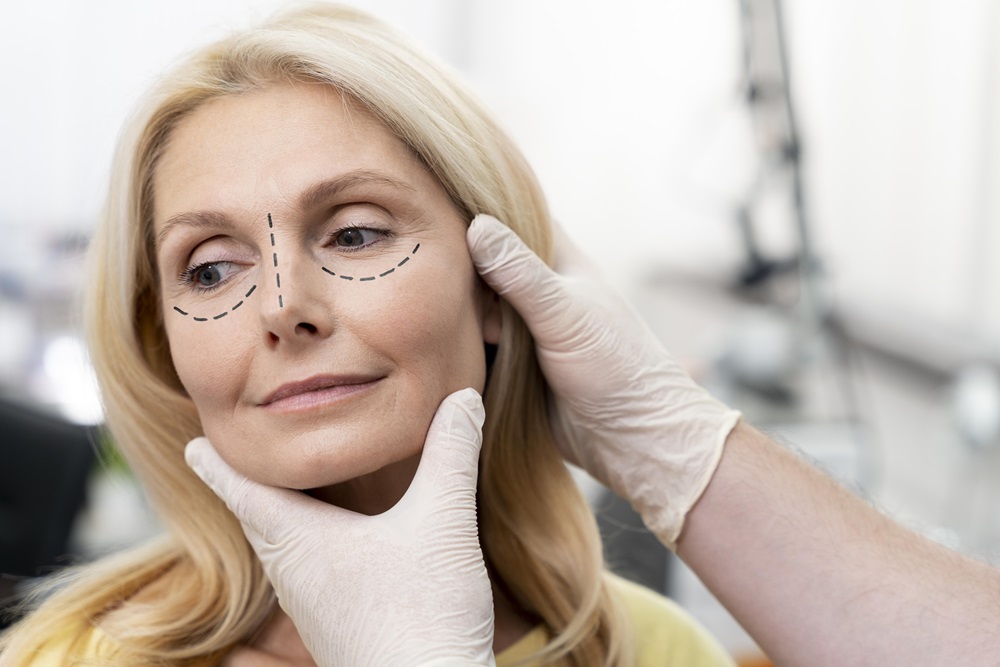
Filler placed in the tear trough of the lower eyelid to correct hollowing and the shadow it casts is the most common periocular filler treatment. Hollowing of the upper lid, glabellar lines and crow's feet are further problems that can be addressed with filler in suitable patients.
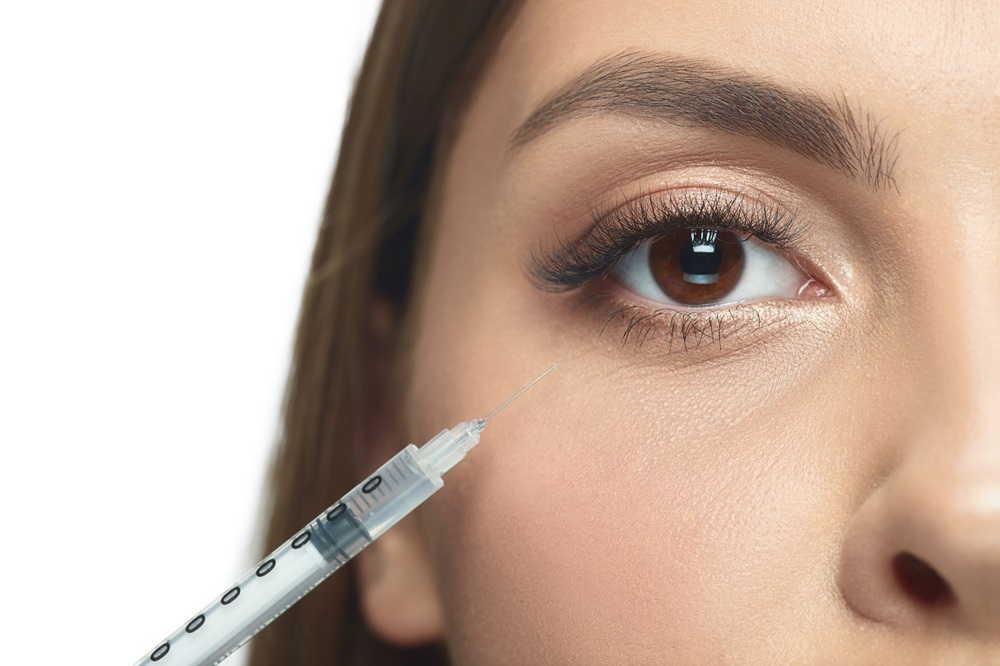
A method applied in clinical conditions to soften expression lines around the eyes, between the brows and on the forehead. It is also used for medical conditions such as blepharospasm and hemifacial spasm. The effect lasts around three to six months and patients return to daily life immediately.
The eye area is one of the first regions to show signs of ageing. Because the skin is thin, the muscles move all day and the region is exposed to the environment, wrinkles, puffiness and changes in colour appear here earlier than anywhere else on the face.
Periocular rejuvenation is not the name of a single procedure. It is the approach of treating wrinkles, skin laxity, dark circles, glabellar and forehead lines, midface descent and the resulting aged appearance of the under-eye as one connected problem. These can be addressed surgically, medically, or through a combination planned for the individual patient.
Micro-injection of vitamins, hyaluronic acid and antioxidants into the middle layer of the skin. It contributes to hydration, skin texture and pigmentary under-eye darkening. See mesotherapy.
Hyaluronic acid based fillers address under-eye hollowing, midface support and deep lines. Tear trough filler belongs under this heading. Details and risks are on the dermal fillers page.
Used for expression lines and for medical conditions in which the periocular muscles contract excessively. See botulinum toxin injections.
A liquid form prepared from the patient's own fat, applied to thin-skinned areas. Preferred where both volume and skin quality are targeted. See NanoFat injections.
Where there is excess skin, lid sagging or established bags, injection-based methods are not enough.
The full range of surgical options is set out on the cosmetic eyelid procedures page.
In most patients these are complementary rather than competing. I build the plan around whichever problem dominates.
I address uncontrolled thyroid disease, untreated allergic eye disease, active blepharitis or significant dry eye first. Aesthetic procedures performed while the ocular surface is unhealthy do not deliver the expected benefit.
The most important step in periocular rejuvenation is identifying the source of the problem correctly. When the wrong method is chosen the result is not merely ineffective; it can make the appearance worse. Filler placed beneath a herniated fat pad enlarges the fullness, adding volume changes nothing where darkening is pigmentary, and no procedure gives lasting benefit for puffiness caused by fluid retention.
That is why most of the first consultation goes on examination. Once the problem is clear, choosing the procedure is the easy part.
I am an ophthalmologist working in oculoplastic surgery in Kadıköy, Istanbul. I hold the FEBO diploma of the European Board of Ophthalmology and am an active member of ESOPRS, the European Society of Ophthalmic Plastic and Reconstructive Surgery, and of the Oculoplastic Surgery Unit of the Turkish Ophthalmological Association.
For patients travelling from abroad, it helps to know in advance that several of these treatments are protocols rather than single appointments, and that results are reviewed weeks after the procedure rather than days. I set out the expected schedule before starting, so the trip can be planned around the treatment rather than the other way round.
 English
