
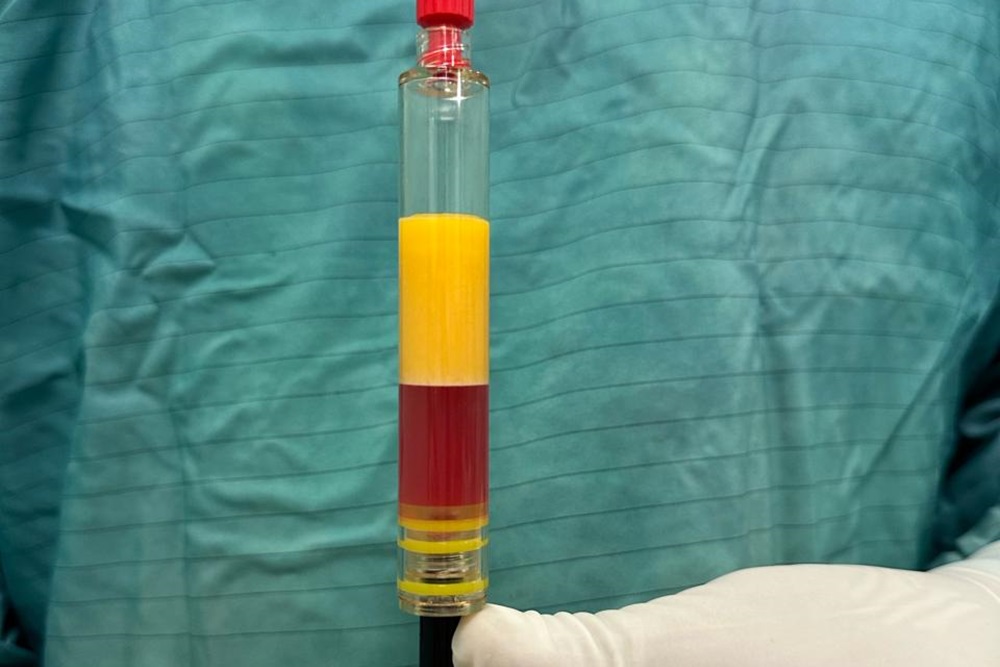
NanoFat injection is a form of autologous fat transfer in which the patient's own fat is processed into a refined, cell-rich liquid. It is used in thin-skinned regions such as the under-eyes, eyelids and face, where both volume support and improvement in skin quality are the goal.
What separates it from conventional fat grafting is the processing: the fat is mechanically emulsified and filtered into a very fine, smooth liquid. In that form it contains few intact fat cells and more of the supporting cellular structures. NanoFat is therefore not a way to add bulk volume; it is a way to support tissue quality where the skin is thin.
Harvested fat is not a single product. Depending on how it is processed it separates into three forms serving different purposes.
Which form is used depends on the region and the goal. Applying more than one form to different areas in the same session is a common approach.
In the short video below I explain what MicroFat and NanoFat are each used for around the eye.
NanoFat has one clear disadvantage: unlike hyaluronic acid, it cannot be dissolved and reversed. That is why I am conservative about both patient selection and the amount injected.
A small amount of fat is taken from a donor area such as the abdomen or thigh using fine cannulas. This is not a large liposuction procedure; the volume required is limited and leaves no appreciable change in the donor site.
The harvested fat is washed in a closed system to remove oils and damaged cells, then mechanically emulsified and passed through filters to produce an injectable liquid. Depending on the target it is separated into MicroFat, NanoFat and SVF.
The prepared product is delivered through fine, blunt-tipped cannulas. Using a cannula around the eyes matters, because it reduces the risk of vessel injury. Common target areas:
The procedure can be performed under local anaesthesia; sedation may be added when the scope is wider.
It is not suitable for very lean patients without adequate donor fat, for patients with significant fat herniation — who are assessed under lower eyelid blepharoplasty first — or where there is an uncontrolled bleeding disorder, pregnancy or breastfeeding, or active infection at the site.
Partial resorption of the transferred fat is a normal part of the process, and a second session is sometimes planned for that reason. No special aftercare is needed beyond avoiding pressure on and rubbing of the treated area in the early days.
Part of the transferred tissue may persist, while part is resorbed over the first months. The effect is therefore expected to outlast hyaluronic acid fillers, but because it varies between individuals it would be wrong to quote a fixed duration in advance.
Its smooth liquid consistency reduces the risk of lumpiness in the thin skin of the under-eye. Even so, the vascular network in this region is dense, so technique and patient selection are decisive.
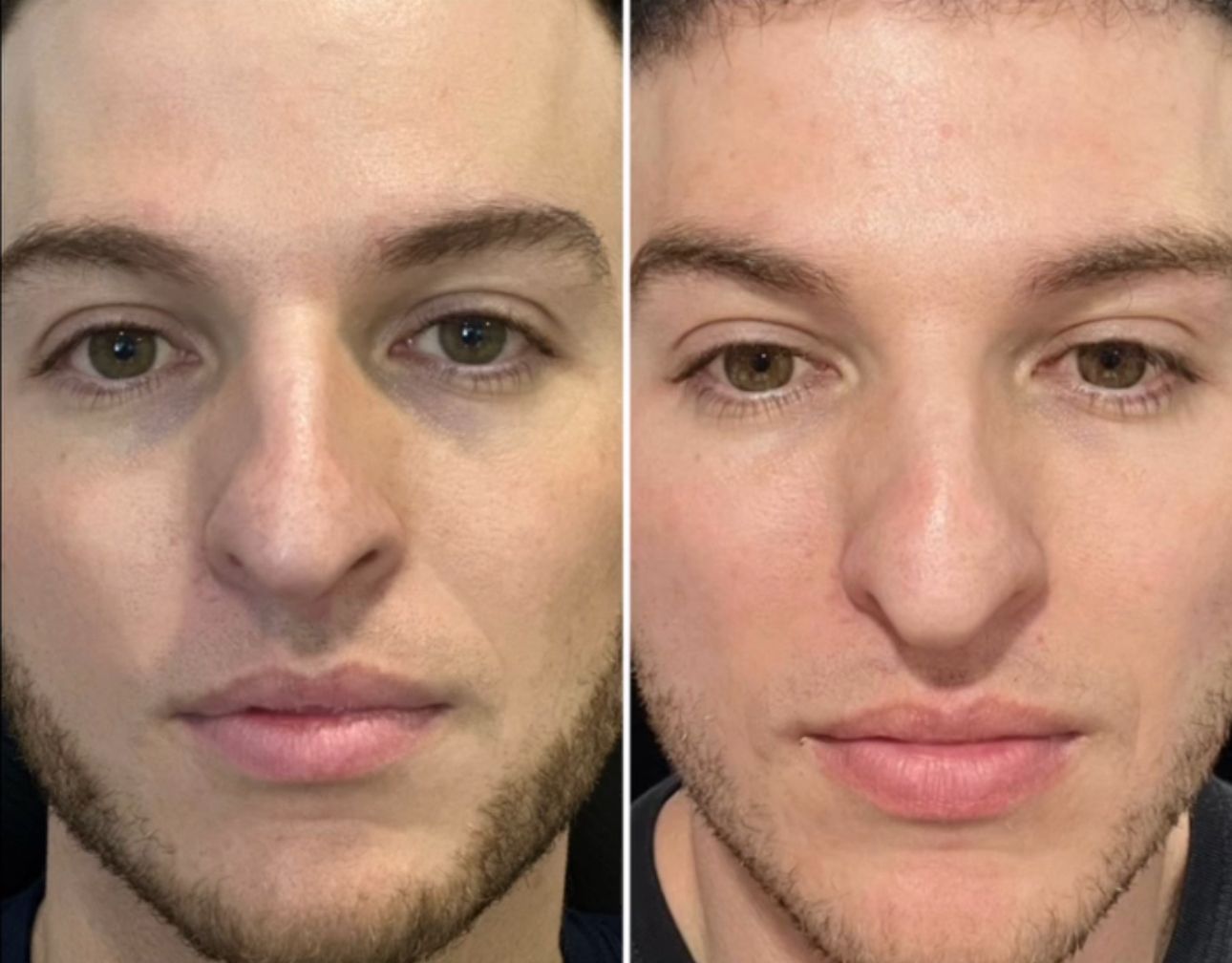
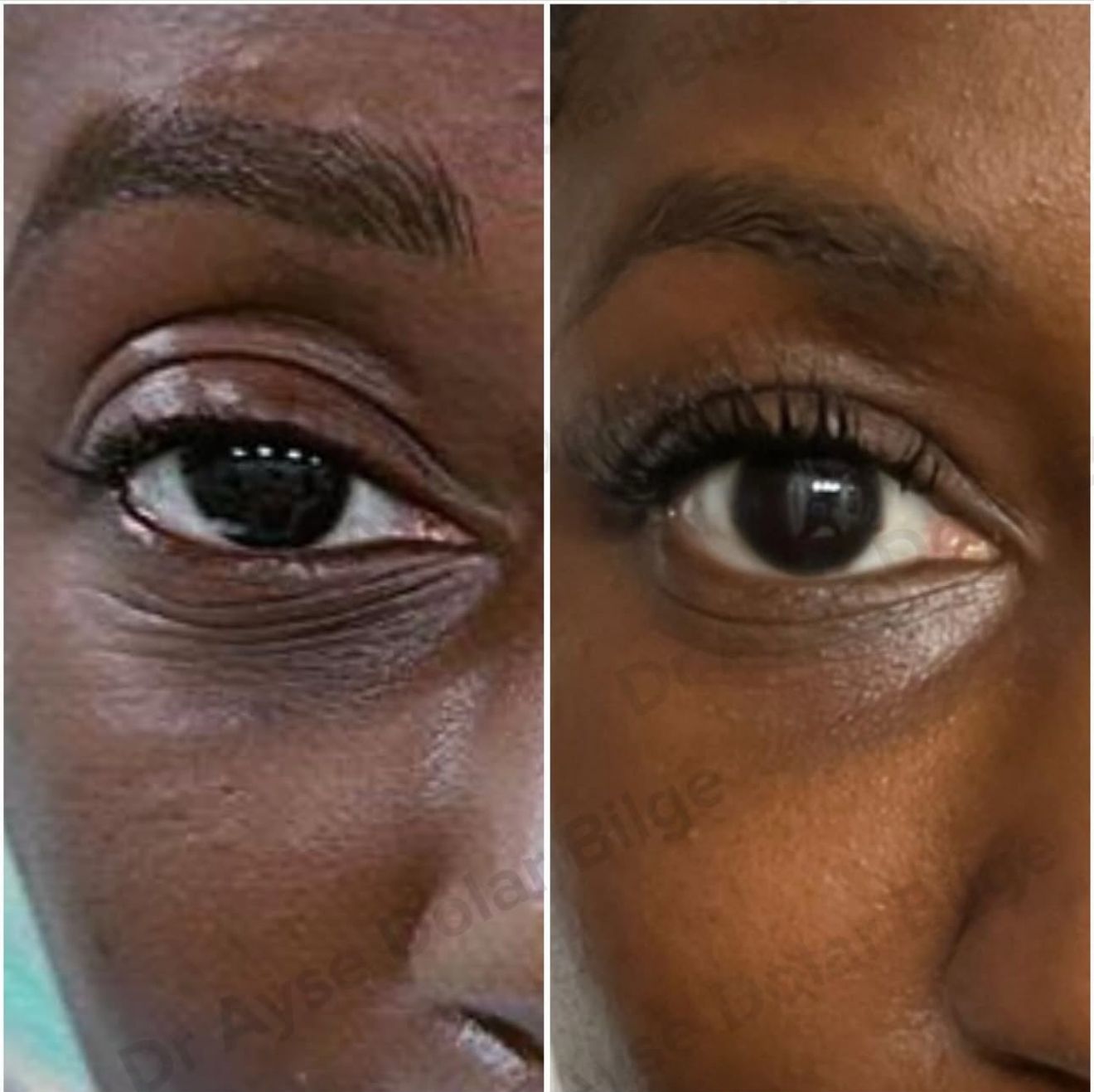
It depends on their source. Where the darkness is shadow cast by hollowing, the benefit is clear. Where it is pigmentary or vascular, the contribution is more limited and mesotherapy becomes relevant.
One session is planned for most patients. If volume is insufficient after resorption, a second session can be carried out; this does not mean the first was unsuccessful.
Different methods can be planned together for different regions. I would not apply two different products to the same area at the same time. You can compare the options on the periocular rejuvenation and dermal fillers pages.
I am an ophthalmologist working in oculoplastic surgery in Kadıköy, Istanbul. I hold the FEBO diploma of the European Board of Ophthalmology and am an active member of ESOPRS, the European Society of Ophthalmic Plastic and Reconstructive Surgery, and of the Oculoplastic Surgery Unit of the Turkish Ophthalmological Association.
For patients travelling from abroad, the point worth planning around is that NanoFat results are not assessed in days. Early fullness settles over the first month, and the final appearance is judged at three to six months. Where a further session might be needed, that is discussed before the first one rather than after.
 English
