
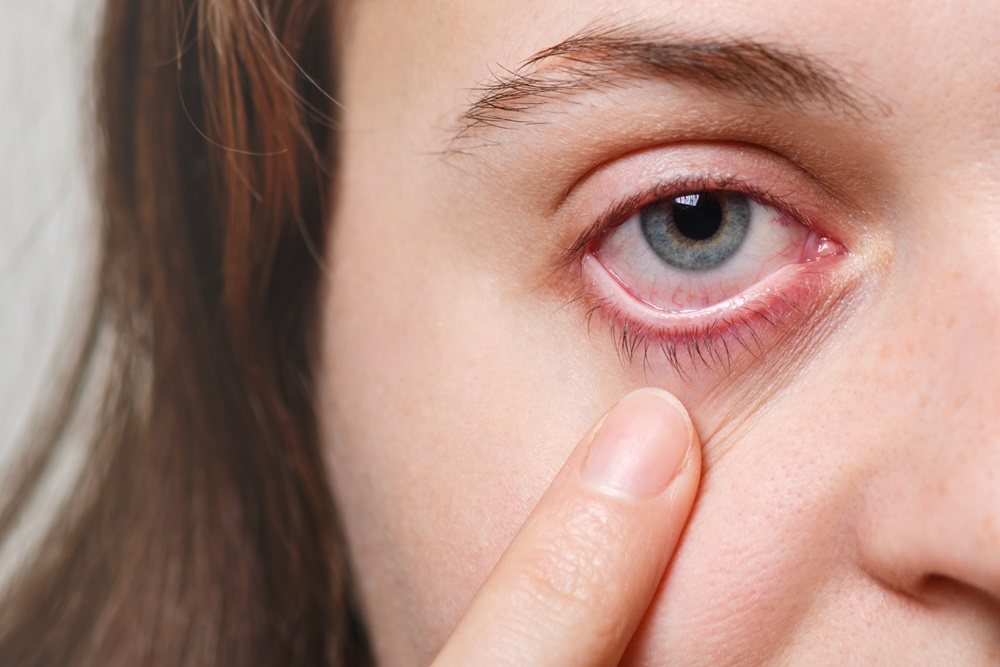
Eyelid tumors are benign or malignant growths that develop in the lid. Most lumps on the eyelid are benign, but a sore that will not heal, loss of lashes and disruption of the lid margin raise suspicion. This page covers the types, the difference from a cyst, diagnosis and treatment.

Droopy eyelid, or ptosis, is a condition where the upper lid rests lower than normal and the eye cannot open fully. It may be congenital or follow ageing, trauma or neurological disease. This page covers the causes, the difference from pseudoptosis, surgical options and recovery.
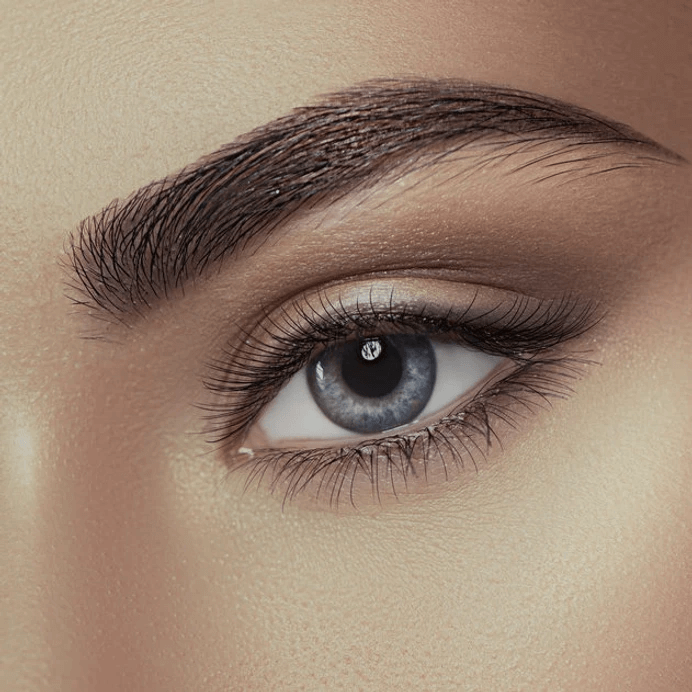
Ectropion is an outward turning of the lower eyelid that loses contact with the eye. Tears can no longer be pumped into the drainage channel, so the eye waters constantly while the exposed surface dries at the same time. This page covers causes, diagnosis, surgical treatment and recovery.
Entropion is an inward turning of the eyelid that lets the lashes rub against the surface of the eye. Age-related tissue laxity is the commonest cause, though scarring, chronic inflammation and muscle spasm also play a part. This page covers symptoms, diagnosis, surgery and how it differs from ectropion.

Eyelid retraction means the upper or lower lid opens further than it should. A strip of white sclera shows above the iris and the gaze takes on a startled look. Thyroid eye disease is the commonest cause. This page covers causes, diagnosis, surgery and how retraction differs from ptosis.

Trichiasis means eyelashes grow inward and touch the surface of the eye. Blepharitis, entropion, trauma and ageing are the commonest causes. This page explains the difference between a loose lash in the eye and a misdirected one, what helps at home, and the treatments that last.
The eyelids look thin, but they are layered structures made of skin, muscle, a firm tarsal plate, oil glands and the conjunctiva lining the inner surface. With every blink they spread the tear film over the ocular surface, pump tears towards the drainage channels in the inner corner, and shield the eye from the outside world. Even a small change in the position of the lid margin, in lid tension, or in the direction of the lashes can cause dryness, stinging, watering and, over time, corneal damage.
For this reason I treat eyelid disease as a matter of vision and ocular surface health, not only of appearance. Oculoplastic surgery is the subspecialty of ophthalmology dealing with the eyelids, the tear drainage system, the orbit and the periocular tissues, and it is the field I work in at my practice in Kadıköy, Istanbul.
I group eyelid disorders into three broad headings: problems of lid position, problems of the lid margin and lashes, and masses growing within the lid tissue. There is a detailed page for each of the topics below.
In the short video below I take one of these position disorders, ectropion, and explain why the eye waters constantly.
Common symptoms of eyelid diseases include:
At the examination I first check visual acuity and the ocular surface. I then study the lid margin, the openings of the oil glands and the direction of the lashes under the slit lamp. Lid height and the strength of the muscle that lifts the lid are measured in millimetres, and simple distraction tests show how lax the lid has become. Where needed, tear production is measured, lid closure is assessed, and imaging or a biopsy is used when a mass is suspected.
Most eyelid surgery is carried out under local anaesthesia, with light sedation when it is helpful. When the incision is placed in the natural lid crease or behind the lid, the scar is largely hidden. For cosmetic lid surgery you can read the pages on upper eyelid blepharoplasty and lower eyelid blepharoplasty.
In the first 48 hours after lid surgery, cold compresses and keeping the head elevated reduce swelling noticeably. Bruising and oedema usually begin to settle by the end of the first week, and social appearance recovers largely within the second week. Sutures are removed during the first week depending on their position. The lid takes its final shape and the scar matures over several months, so I see my patients a few times during the first month and at wider intervals afterwards.
A swelling that does not settle within a few weeks, a lump that grows or bleeds, a sore that will not heal, loss of lashes, a change in the shape of the lid margin, sudden drooping, double vision, or an eyelid that no longer closes fully all deserve prompt assessment. Dealt with early, these problems can usually be corrected with a smaller procedure, and the ocular surface is protected from lasting damage.
Ayşe Dolar Bilge MD, FEBOphth.
Ophthalmologist — Oculoplastic Surgery
 English
