
Upper eyelid blepharoplasty is a surgical procedure that improves the appearance and function of the upper eyelids by removing excess skin and, when needed, reducing or repositioning herniated fat. It is performed for both cosmetic and functional reasons: it can restore a rested, open look and it can widen a field of vision that heavy eyelid skin has begun to block.
The word blepharoplasty comes from the Greek blepharon (eyelid) and plastikos (to shape). The aim is not to change the eyelid you were born with. It is to remove what has become excess and to redefine the natural eyelid crease. What I tell my patients is simple: a good upper blepharoplasty makes people say you look rested, not that you look operated on.
Heaviness in the upper lid rarely has a single cause. I assess each of these separately, because which one dominates changes the surgical plan.
I prefer to postpone surgery when there is uncontrolled dry eye, active lid margin inflammation, uncontrolled blood pressure or ongoing blood-thinner use. In patients with dry eye I treat the ocular surface first and plan surgery afterwards; that sequence changes recovery comfort considerably.
Upper blepharoplasty is not a matter of removing skin by eye. Before surgery I evaluate:
I never advise stopping a blood thinner without consulting the physician who prescribed it. I ask patients who smoke to pause for at least two weeks before the procedure, because it directly affects tissue healing.
During recovery I ask patients to avoid strenuous activity, bending forward and hot environments for the first week, to wear sunglasses outdoors, and to pause eye make-up until the sutures are out and the incision has closed. Follow-up visits are usually scheduled at one week, one month and three months.
In the short video below I answer the questions my patients ask most often after upper eyelid surgery.
Like any surgical procedure, upper blepharoplasty carries risks, and I discuss them openly beforehand.
Some of these can be addressed with a second procedure. For patients unhappy with surgery performed elsewhere, I have written a separate page on revision (correction) eyelid surgery.
Confusing these two is the most frequent source of disappointment. In dermatochalasis the problem is the tissue above the lid; the lid margin sits where it should. In ptosis the lid itself has dropped. Removing skin alone does not correct ptosis, and can even make the lid look lower. This is why I measure lid margin height at the examination and, when indicated, plan both procedures in the same session.
Brow position is the other distinction. If skin is removed while the brow is already low, the brow can be pulled down further. In that case the brow needs to be addressed first.
Not every patient needs surgery. When the concern is limited to fine lines, volume loss or skin quality, non-surgical options may be enough. Botulinum toxin injections address expression lines, dermal fillers address hollowing, and mesotherapy supports skin hydration and texture. I cover all of these together under periocular rejuvenation.
Upper and lower lid concerns often appear together. If under-eye bags are also bothering you, lower eyelid blepharoplasty is assessed within the same plan. For the full range of surgical options, see cosmetic eyelid procedures.
I am an ophthalmologist working in oculoplastic surgery in Kadıköy, Istanbul. I hold the FEBO diploma of the European Board of Ophthalmology and I am an active member of ESOPRS, the European Society of Ophthalmic Plastic and Reconstructive Surgery, and of the Oculoplastic Surgery Unit of the Turkish Ophthalmological Association.
For patients travelling from abroad, the practical points matter as much as the surgery itself. An upper blepharoplasty is an outpatient procedure, but I ask international patients to plan enough time to attend the suture removal visit before flying home, and to arrange a way to reach me for follow-up questions afterwards. Planning the trip around the recovery timeline above, rather than the other way round, makes the whole process calmer.
Eyelid sagging is not only a question of appearance. I recommend an ophthalmic assessment if:
If sudden lid drooping is accompanied by double vision or restricted eye movement, this is not a cosmetic issue and should be evaluated without delay.
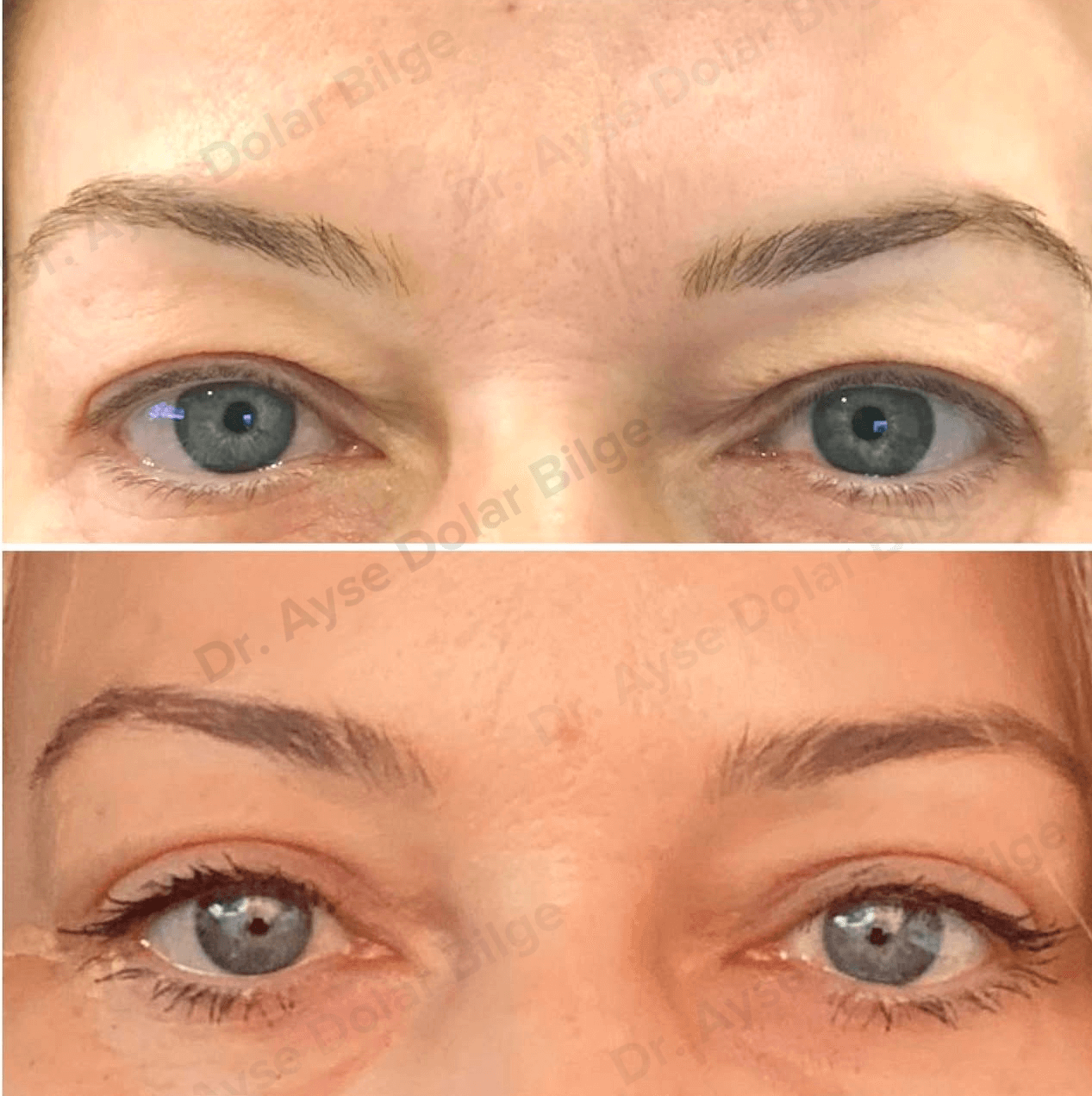
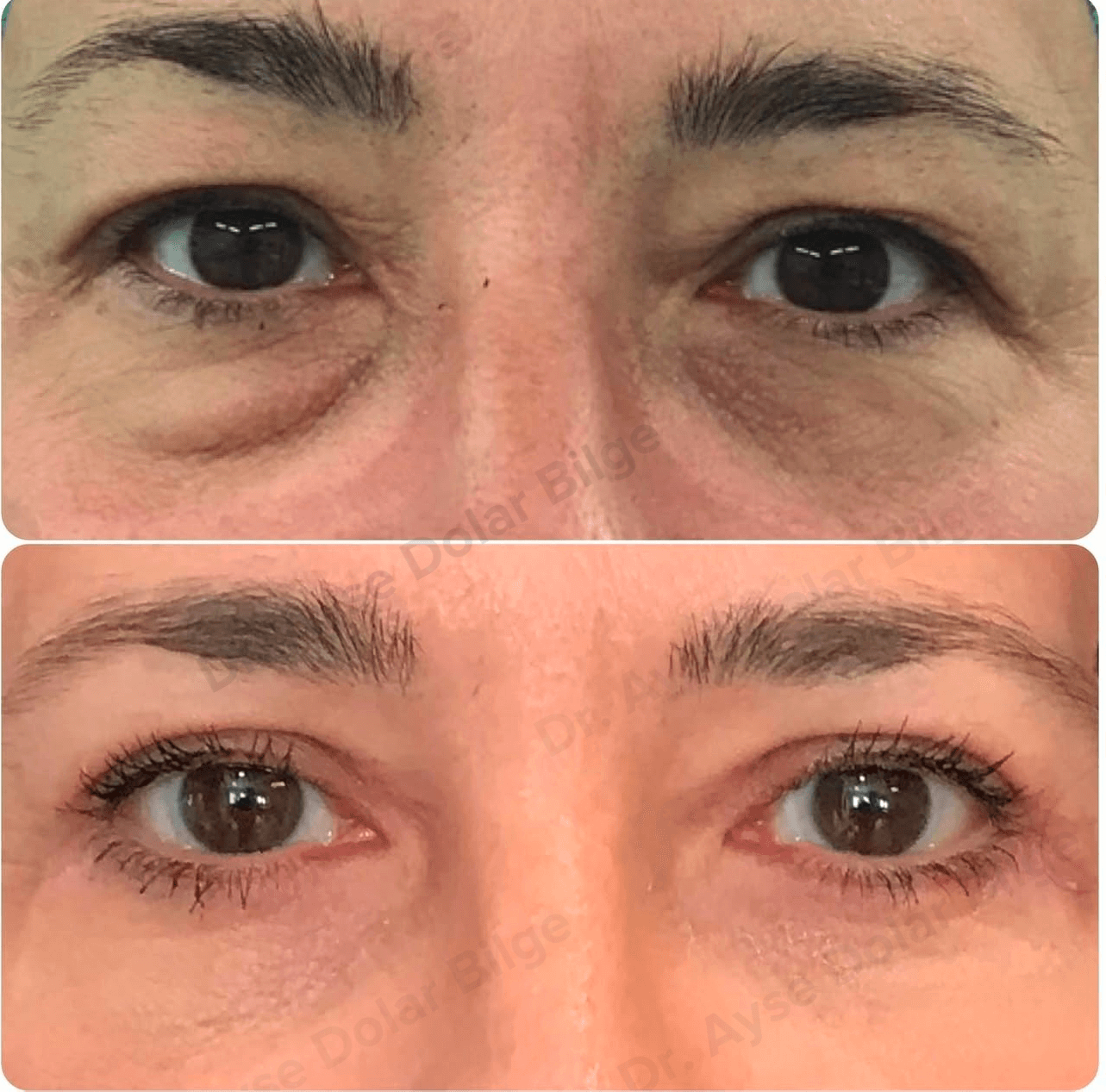
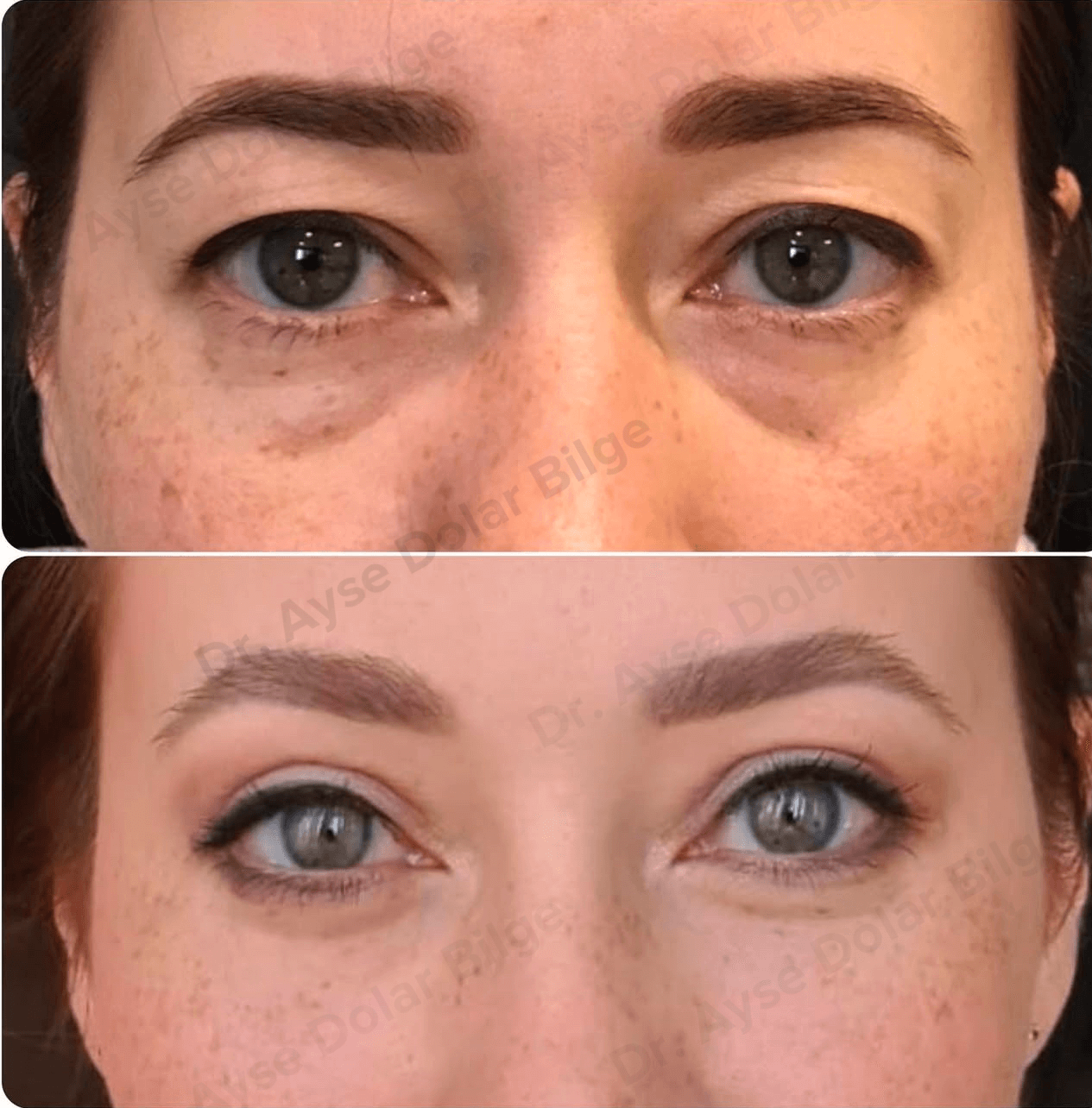
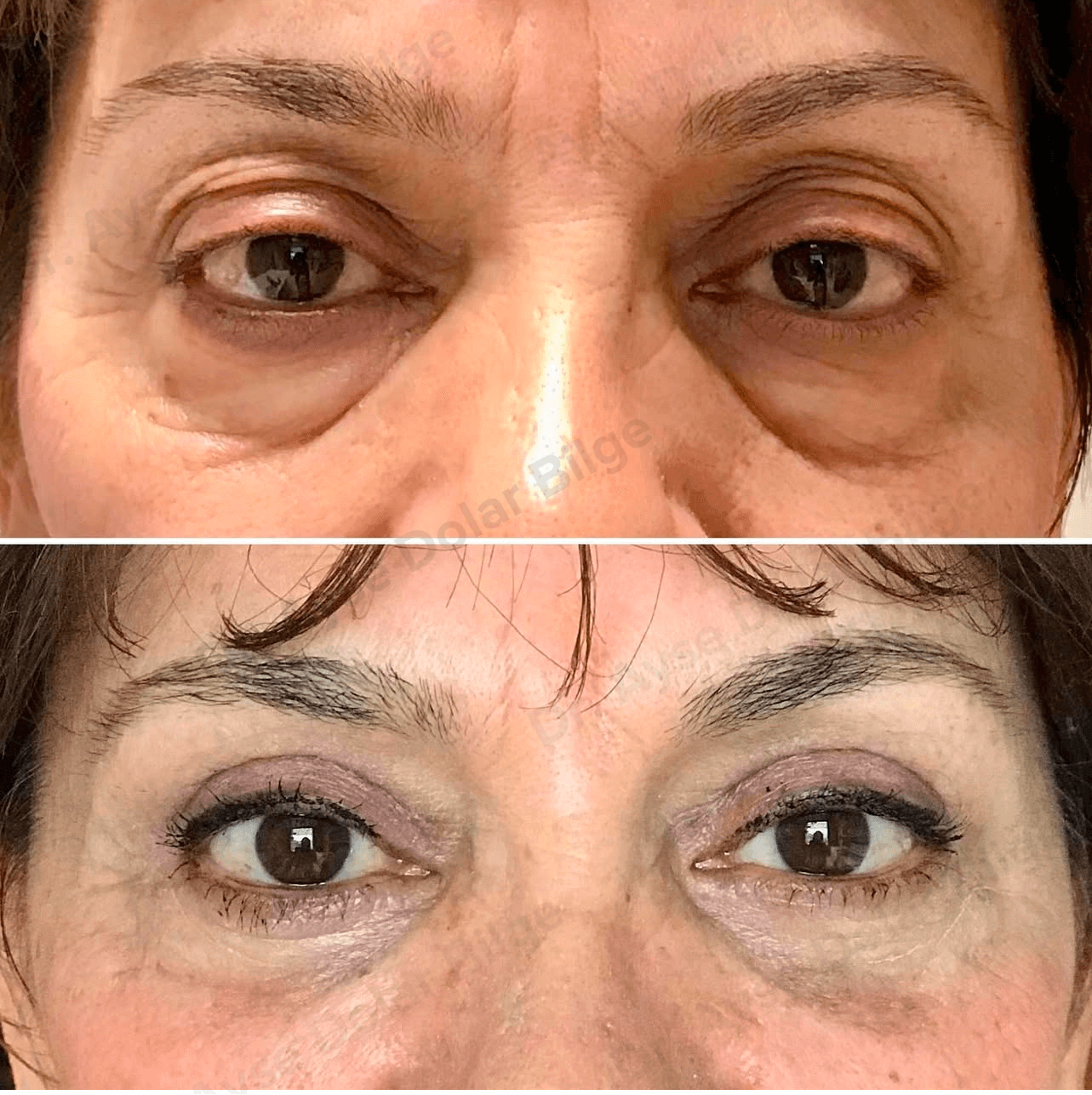
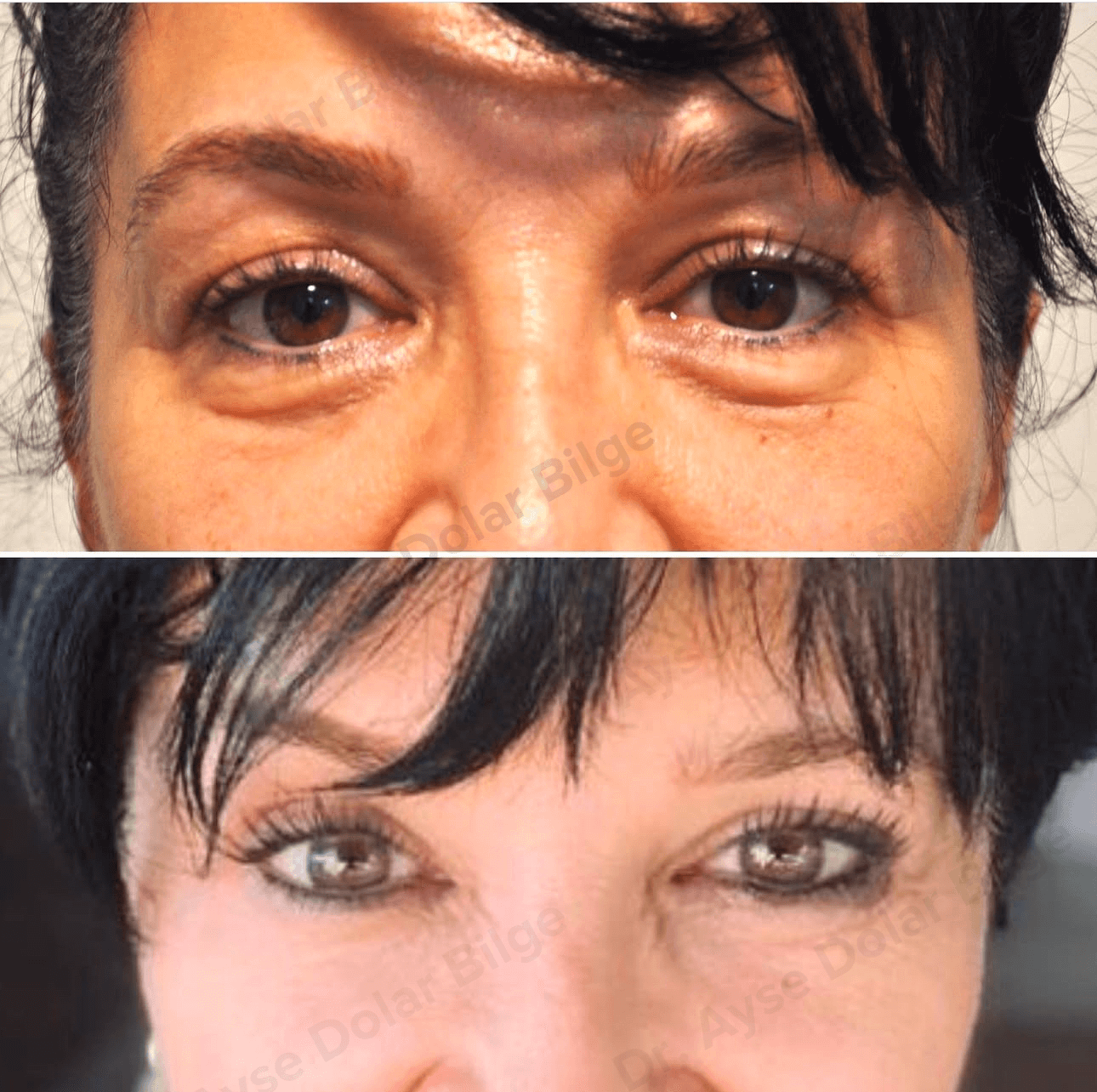
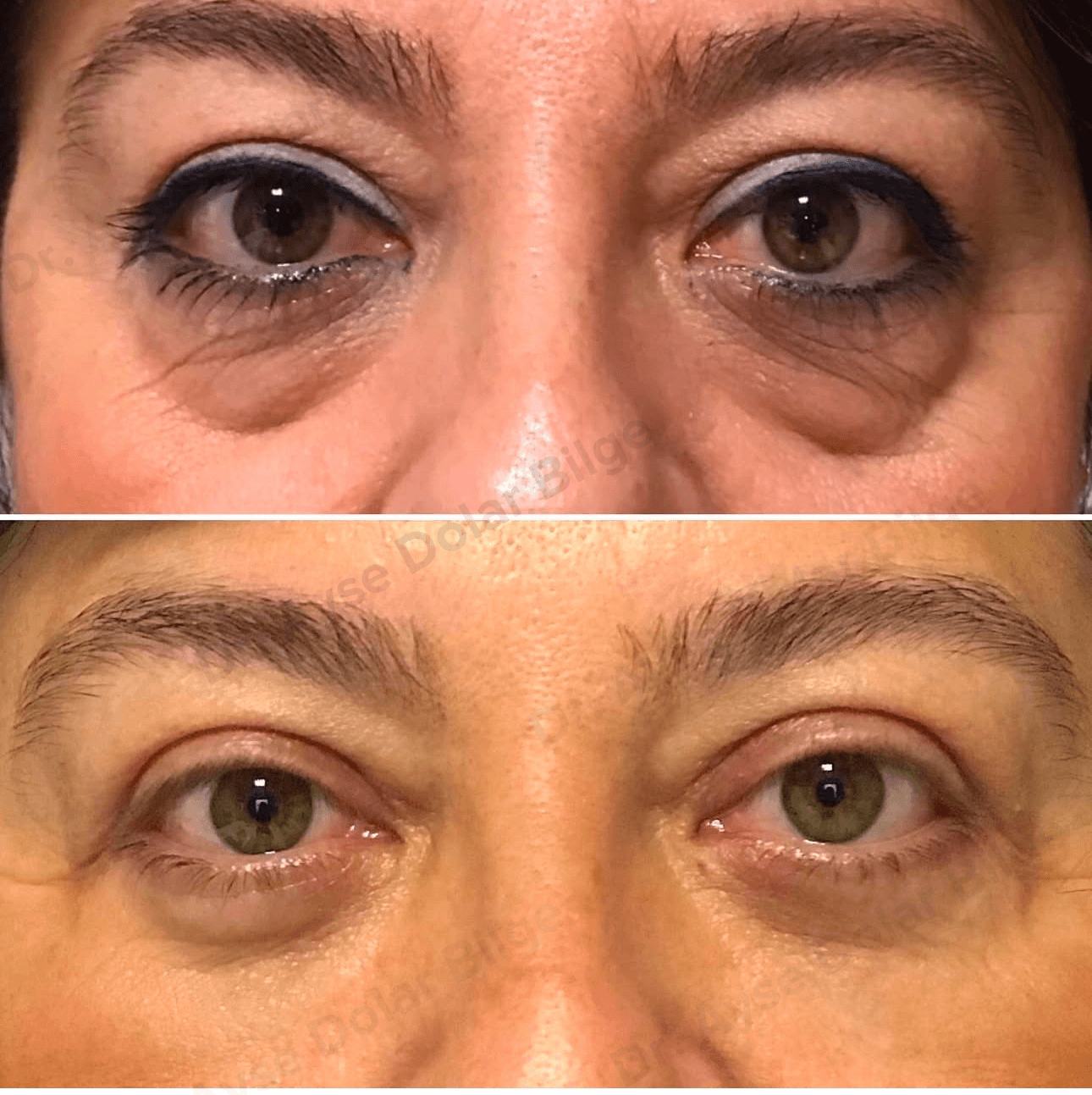
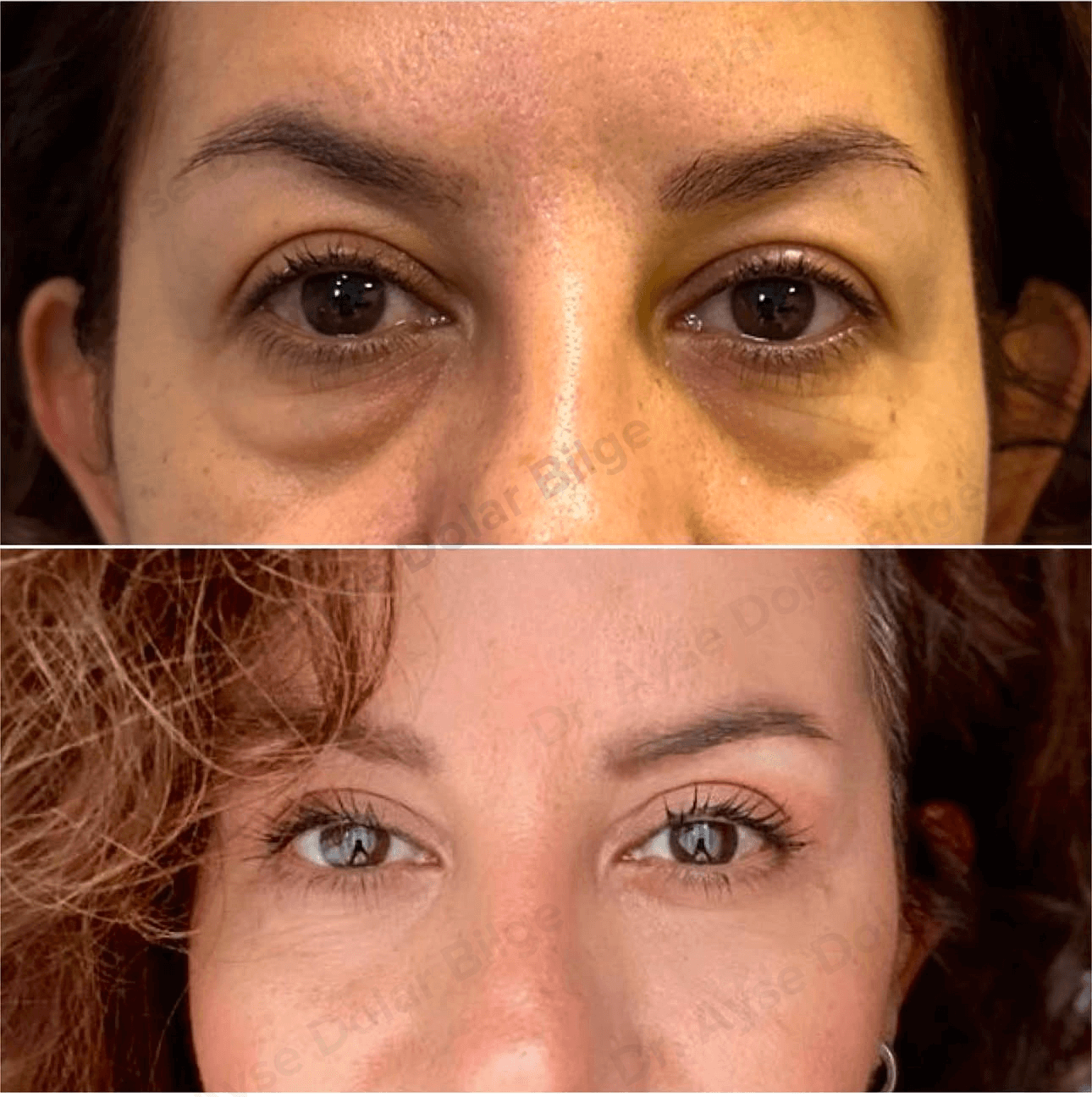
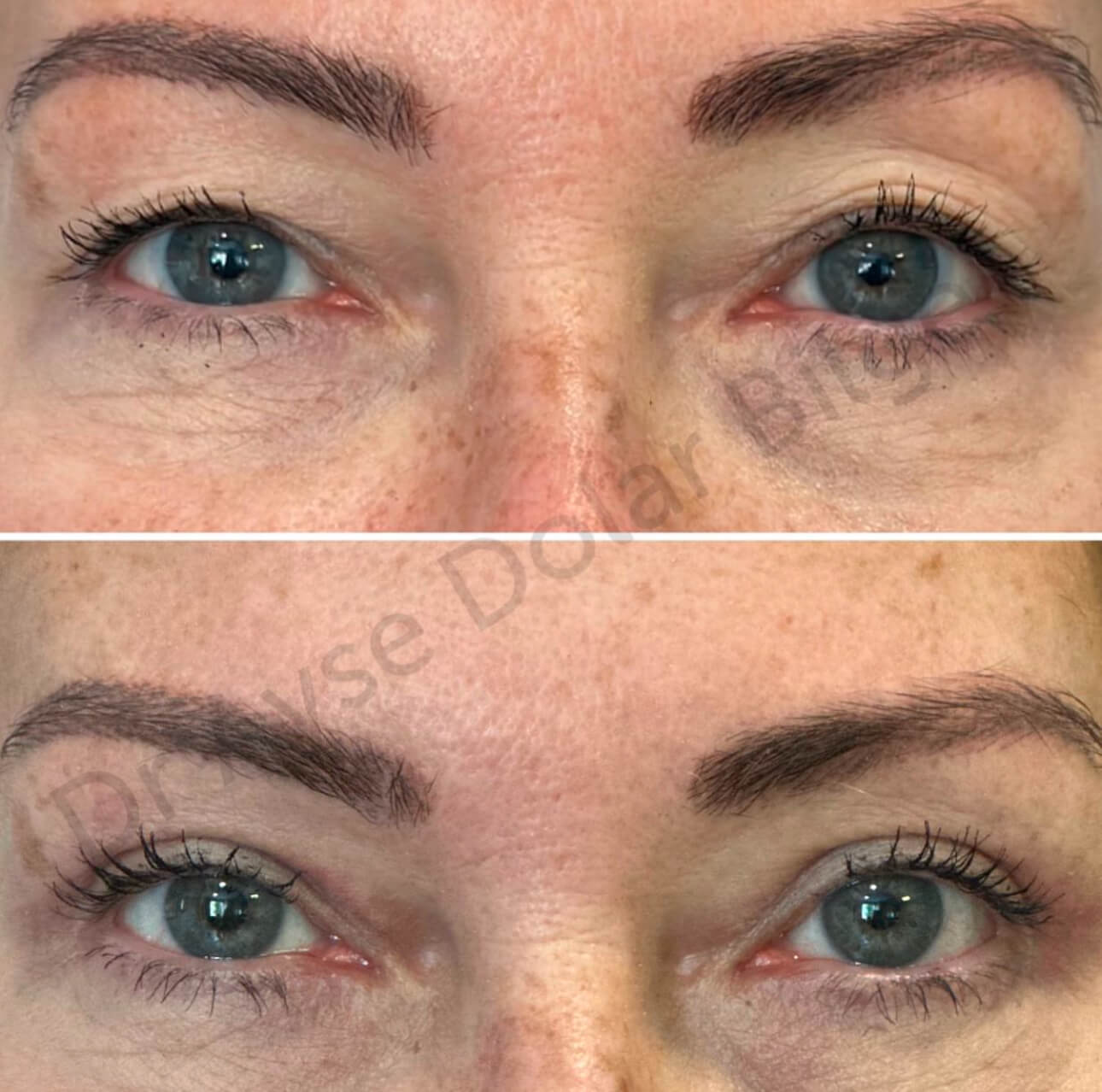
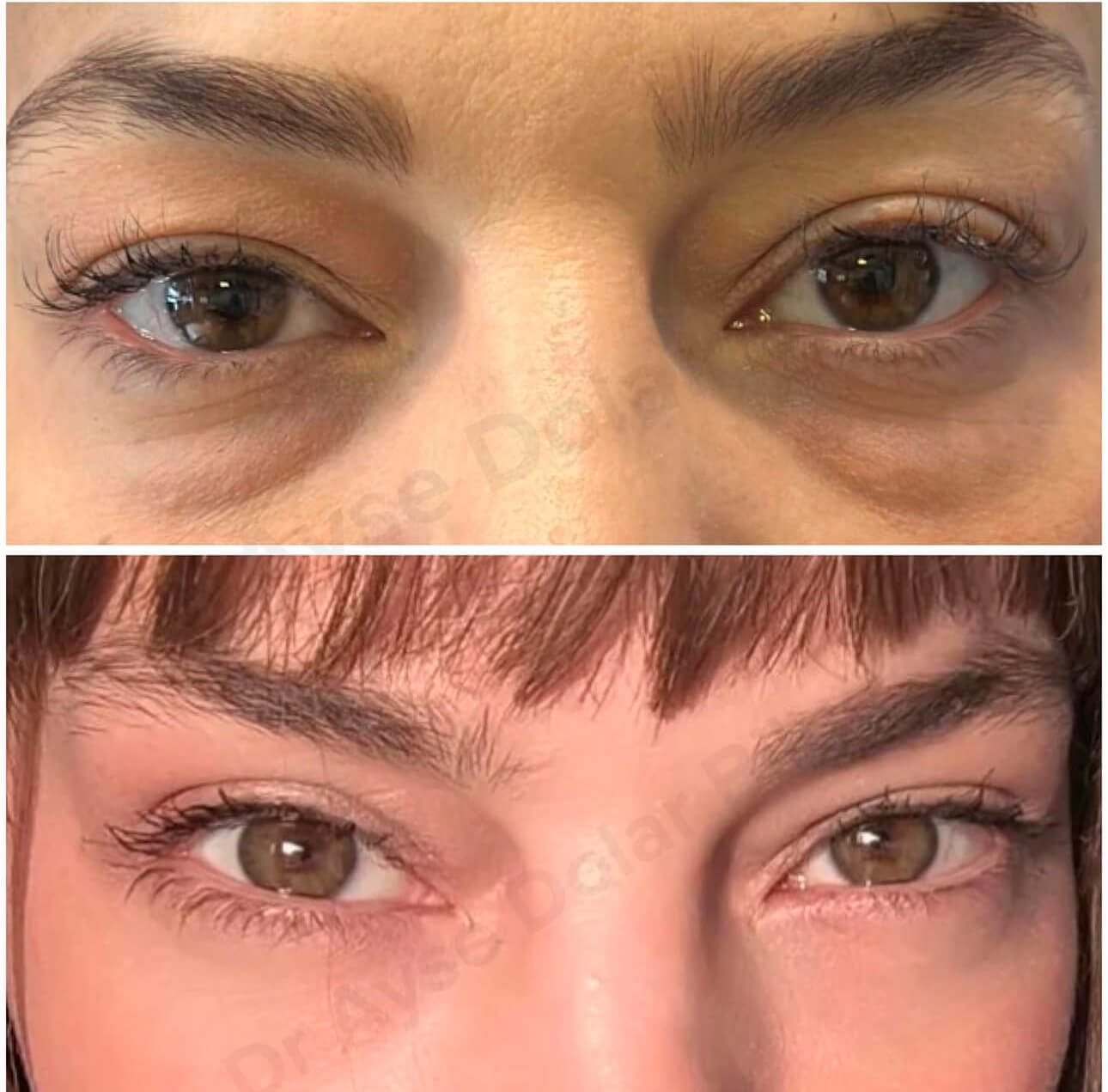
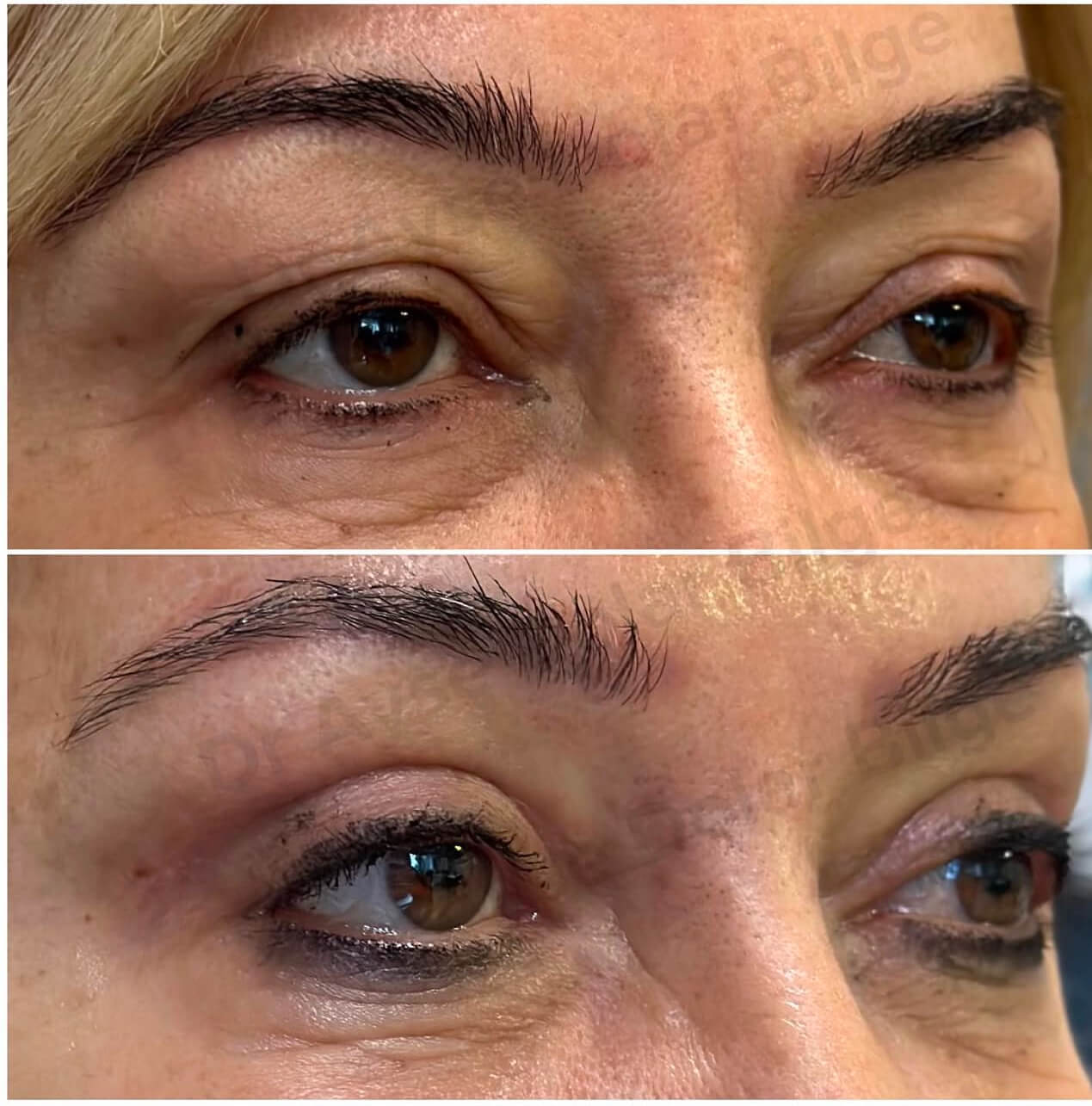
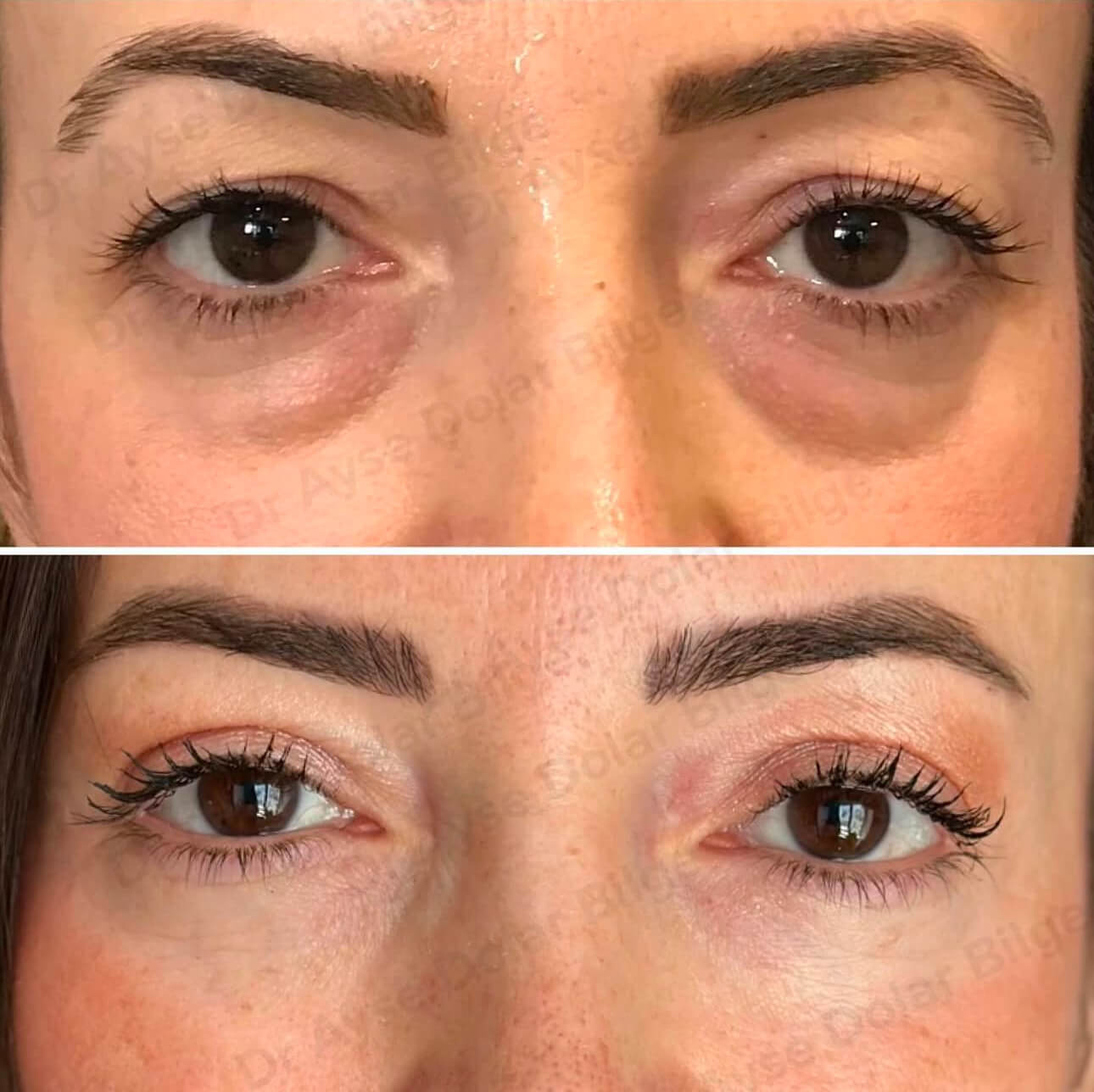
As an Ophthalmologist, Dr. Ayşe Dolar Bilge, I provide diagnosis and treatment services with my experienced team.
Blepharoplasty is the medical name for eyelid surgery. It comes from the Greek blepharon (eyelid) and plastikos (to shape). It covers the procedures in which excess skin, lax muscle and forward-displaced fat are reshaped in the upper or lower eyelid.
One side takes roughly 30-45 minutes. It is usually performed under local anaesthesia without an overnight stay, and sedation may be added depending on the patient's preference or additional procedures. Adding ptosis correction or brow support in the same session extends this.
Most patients return to work and social life within the second week, often with make-up. Swelling and bruising peak in the first 48 hours, and sutures are removed on day 5-7. I ask patients to avoid strenuous activity and bending forward during the first week.
Because the incision follows the eyelid's own natural crease, the scar sits within the crease and becomes invisible when the eye is open. Firmness and pinkness along the incision are normal in the early weeks and soften over three to six months. Rarely, a scar can widen.
The skin that has been removed does not return, but the ageing process continues. The result is therefore long-lasting, though some laxity may reappear over time. Sun protection and not smoking are the factors that most affect how long the result holds.
No. In blepharoplasty the problem is the excess skin above the lid, and the lid margin sits where it should. In ptosis the lid itself has dropped and the muscle that lifts it needs repair. Removing skin alone does not correct ptosis and can even make the lid look lower.
Burning, grittiness and dryness can occur in the first weeks and are usually temporary. In patients who already have dry eye, however, these symptoms can be more pronounced and last longer. That is why I treat the ocular surface first in these patients and plan surgery afterwards.
There is no fixed age limit; what matters is lid structure rather than age. It may be performed in younger patients with a genetically heavy upper lid, while other patients may never need it. The decision follows the measurements taken at examination and the nature of the complaint.
To get detailed information, send us your contact information and we will call you as soon as possible. Contact us now
 English
