

Eyelid surgery is among the most frequently performed aesthetic procedures. An unsuitable surgical plan or the removal of too much tissue can leave incomplete lid closure, lower lid retraction, ectropion or asymmetry. Revision surgery aims to correct these and to restore the protective function of the lid.

Blepharoplasty is the medical name for eyelid surgery. It covers the reshaping of excess skin, lax muscle and forward-displaced fat in the upper and lower eyelids. It is not purely cosmetic: where eyelid skin obstructs the upper visual field, surgery becomes a functional necessity.
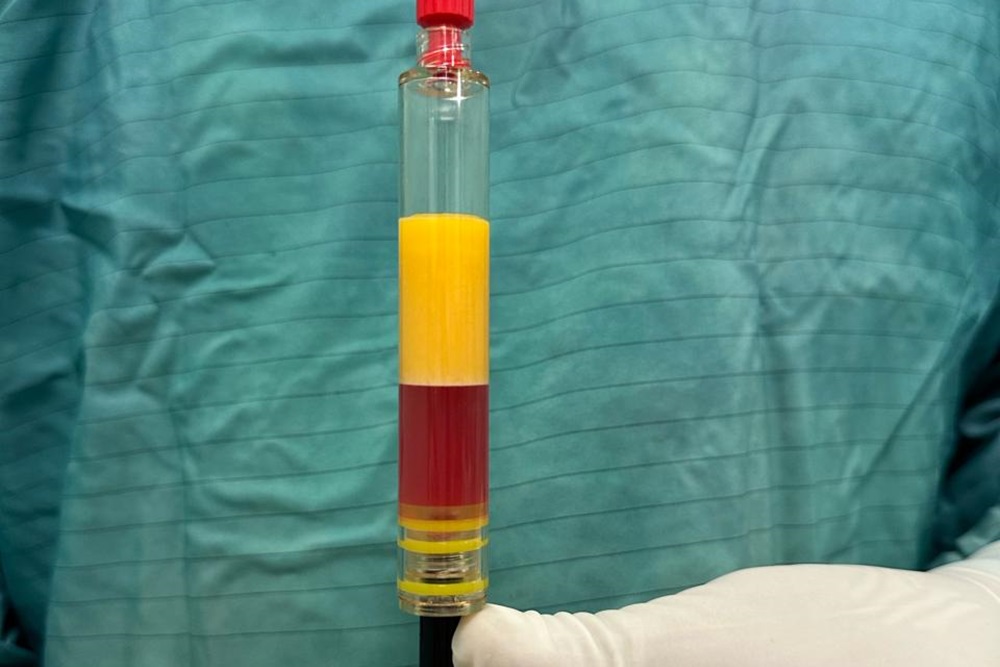
NanoFat is the application of a refined liquid prepared from the patient's own fat to thin-skinned areas such as the under-eyes and eyelids. It is chosen where both volume support and improvement in skin quality are the goal. NanoFat, MicroFat and SVF are differently processed forms of the same harvested fat.
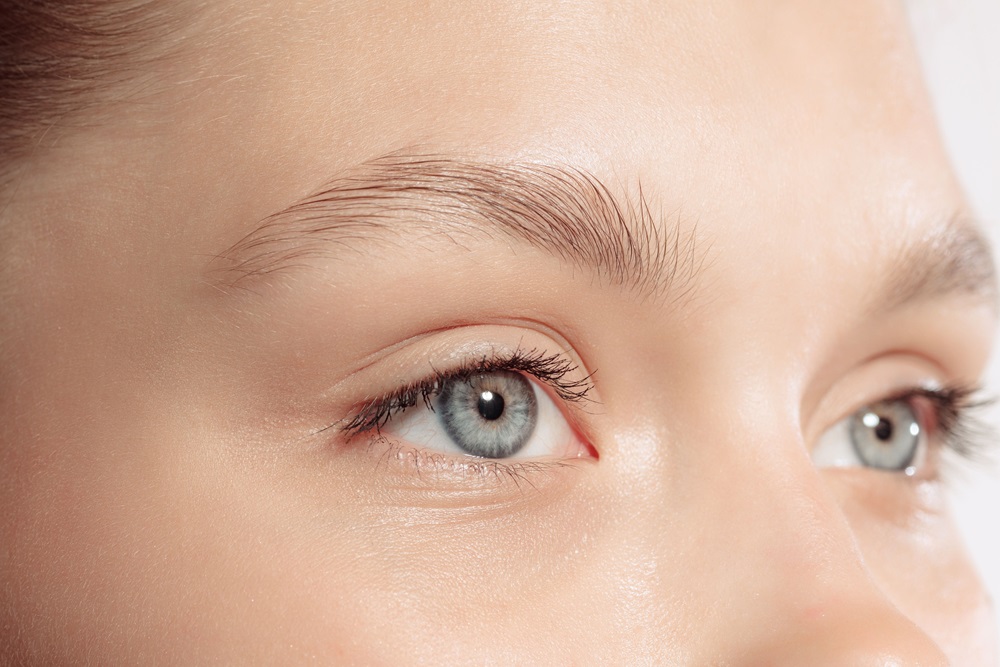
The eyelids protect the eye, spread the tear film and pump tears towards the drainage channel. Even a small change in the position of the lid margin can cause dryness, watering and corneal damage. This section covers the symptoms, diagnosis and treatment options for eyelid disease.
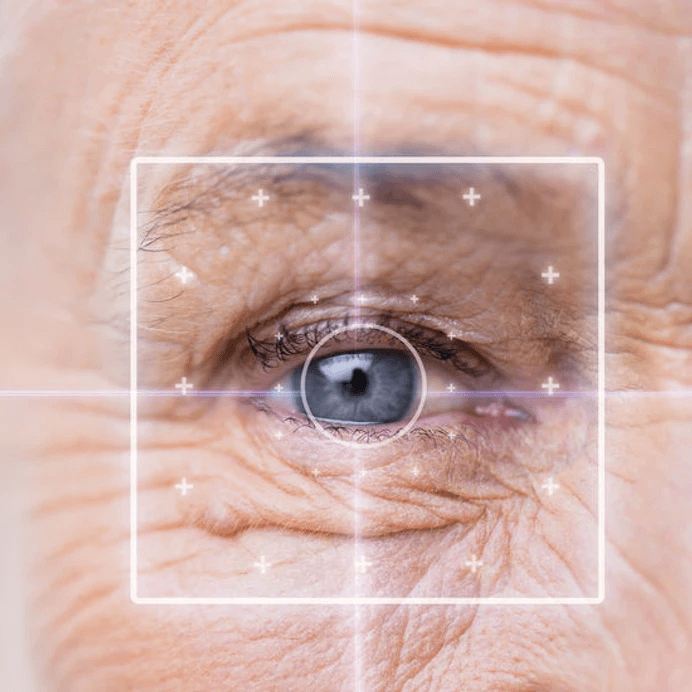
A cataract is the clouding of the eye's natural lens. Ageing is the most common cause, though trauma, certain medications and other eye conditions can also lead to it. The only effective treatment is surgery, in which the clouded lens is replaced with an artificial lens calculated for that eye.
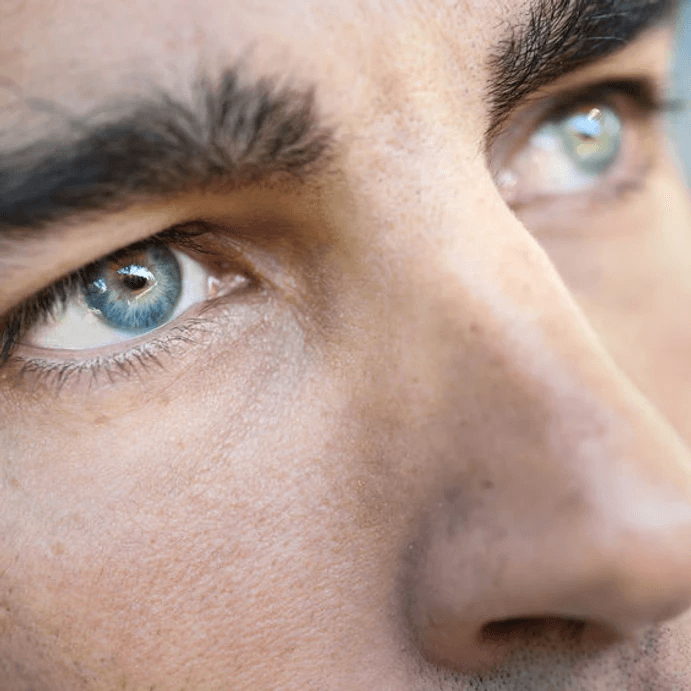
A prosthetic eye is a custom-made artificial eye fitted into the socket of a person who has lost an eye or was born without one. It does not restore sight; it preserves the structure of the socket and gives a natural appearance. With proper care and regular review it can be worn comfortably for many years.

The lacrimal system consists of the glands that produce tears and the channels that carry them from the ocular surface into the nose. Disorders anywhere along this chain cause watering, discharge, dryness and recurrent infection. Identifying the true source of the watering determines the treatment.

Periocular rejuvenation treats wrinkles, skin laxity, dark circles, glabellar and forehead lines and midface descent as one connected problem. Depending on the patient these can be addressed surgically, medically, or through a combination of the two planned together.

This section covers the main eye conditions of childhood, from refractive errors and strabismus to eyelid problems and tear duct obstruction. Because the visual pathways are shaped in the first years, examination on schedule is the most effective way to prevent amblyopia.

Ocular surface diseases is the collective name for conditions affecting the cornea, the conjunctiva, the eyelid margin and the tear film. Dry eye, blepharitis, allergic conjunctivitis, pterygium, chemical injuries, lid adhesions and conjunctival tumors all sit under this heading, and they share symptoms of stinging, redness, watering and fluctuating vision.
The areas of ophthalmology I work in are grouped under ten headings. Below is a short description of what each heading covers; follow the link for the detailed page. If you are not sure which heading your complaint belongs to, we place it together during the consultation.
Eyelid Diseases — drooping eyelid (ptosis), inward turning of the lid (entropion), outward turning (ectropion), eyelid retraction, ingrown eyelashes and eyelid tumours. Most of these are functional rather than cosmetic problems: they narrow the field of vision and can cause constant watering, irritation or corneal damage.
Cosmetic Eyelid Procedures — upper and lower eyelid surgery (blepharoplasty). In the upper lid, excess skin and fat are addressed; in the lower lid, under-eye bagging. In suitable lower-lid patients a hidden incision behind the eyelid can be used, leaving no skin scar.
Revision (Correction) Eyelid Surgery — for patients unhappy with the result of a previous eyelid operation or who have developed a functional problem afterwards. Difficulty closing the eye after too much tissue was removed, asymmetry, lid-margin irregularity and scarring are assessed here. Revision surgery is technically more demanding than a first operation and is planned separately.
Periocular Rejuvenation — non-surgical options: botulinum toxin injections, dermal fillers and mesotherapy around the eyes. The skin around the eye is the thinnest on the body, so both the products and the technique differ from those used elsewhere on the face.
NanoFat Injections — a very fine fat suspension prepared from the person's own tissue and applied around the eyes. It is one of the options considered for under-eye hollowing and for changes in skin quality.
Lacrimal System Disorders — constant watering, discharge and infection of the tear sac (dacryocystitis) usually follow obstruction of the duct that drains tears into the nose. This heading covers duct obstruction in adults and children, dacryocystorhinostomy (DCR) surgery, and revision of duct surgery that has not worked.
Cataract — the loss of transparency of the eye's natural lens. Treatment is surgical: the clouded lens is removed and an intraocular lens is placed in its position. The power of the lens is calculated individually from measurements taken before surgery, and monofocal, toric and multifocal options are considered according to the patient's daily life.
Prosthetic Eye — a custom-made prosthesis for an eye that has lost its sight or has been removed. Evisceration and enucleation surgery, preparation of the socket and the correction of socket problems that appear over time belong to this heading.
Pediatric Eye Diseases — refractive errors such as myopia, hyperopia and astigmatism in children, strabismus, amblyopia, congenital cataract and glaucoma, congenital tear duct obstruction, eyelid drooping and eyelid infections. Because the visual system is still developing in childhood, early diagnosis matters far more than it does in adults.
Ocular Surface Diseases — dry eye disease, blepharitis, allergic conjunctivitis, pterygium, chemical injuries of the eye surface, lid adhesions (symblepharon) and conjunctival tumours. Stinging, burning, redness and vision that blurs and clears again usually originate on the surface of the eye.
If your complaint is constant watering, start with the lacrimal system; if it is stinging and burning, with the ocular surface; if your eyelid has dropped or is blocking your field of vision, with eyelid diseases. My background and the areas I work in are described on the about me page, and the questions patients ask most often are on the FAQ page.

The areas of ophthalmology I work in are grouped under ten headings. Below is a short description of what each heading covers; follow the link for the detailed page. If you are not sure which heading your complaint belongs to, we place it together during the consultation.
Eyelid Diseases — drooping eyelid (ptosis), inward turning of the lid (entropion), outward turning (ectropion), eyelid retraction, ingrown eyelashes and eyelid tumours. Most of these are functional rather than cosmetic problems: they narrow the field of vision and can cause constant watering, irritation or corneal damage.
Cosmetic Eyelid Procedures — upper and lower eyelid surgery (blepharoplasty). In the upper lid, excess skin and fat are addressed; in the lower lid, under-eye bagging. In suitable lower-lid patients a hidden incision behind the eyelid can be used, leaving no skin scar.
Revision (Correction) Eyelid Surgery — for patients unhappy with the result of a previous eyelid operation or who have developed a functional problem afterwards. Difficulty closing the eye after too much tissue was removed, asymmetry, lid-margin irregularity and scarring are assessed here. Revision surgery is technically more demanding than a first operation and is planned separately.
Periocular Rejuvenation — non-surgical options: botulinum toxin injections, dermal fillers and mesotherapy around the eyes. The skin around the eye is the thinnest on the body, so both the products and the technique differ from those used elsewhere on the face.
NanoFat Injections — a very fine fat suspension prepared from the person's own tissue and applied around the eyes. It is one of the options considered for under-eye hollowing and for changes in skin quality.
Lacrimal System Disorders — constant watering, discharge and infection of the tear sac (dacryocystitis) usually follow obstruction of the duct that drains tears into the nose. This heading covers duct obstruction in adults and children, dacryocystorhinostomy (DCR) surgery, and revision of duct surgery that has not worked.
Cataract — the loss of transparency of the eye's natural lens. Treatment is surgical: the clouded lens is removed and an intraocular lens is placed in its position. The power of the lens is calculated individually from measurements taken before surgery, and monofocal, toric and multifocal options are considered according to the patient's daily life.
Prosthetic Eye — a custom-made prosthesis for an eye that has lost its sight or has been removed. Evisceration and enucleation surgery, preparation of the socket and the correction of socket problems that appear over time belong to this heading.
Pediatric Eye Diseases — refractive errors such as myopia, hyperopia and astigmatism in children, strabismus, amblyopia, congenital cataract and glaucoma, congenital tear duct obstruction, eyelid drooping and eyelid infections. Because the visual system is still developing in childhood, early diagnosis matters far more than it does in adults.
Ocular Surface Diseases — dry eye disease, blepharitis, allergic conjunctivitis, pterygium, chemical injuries of the eye surface, lid adhesions (symblepharon) and conjunctival tumours. Stinging, burning, redness and vision that blurs and clears again usually originate on the surface of the eye.
If your complaint is constant watering, start with the lacrimal system; if it is stinging and burning, with the ocular surface; if your eyelid has dropped or is blocking your field of vision, with eyelid diseases. My background and the areas I work in are described on the about me page, and the questions patients ask most often are on the FAQ page.
 English
