Birgen Business Center, Bağdat Ave. No 226, Floor 2, Unit 10, Kadıköy, Istanbul, Turkey
+90 553 910 91 39 info@aysedolarbilge.com
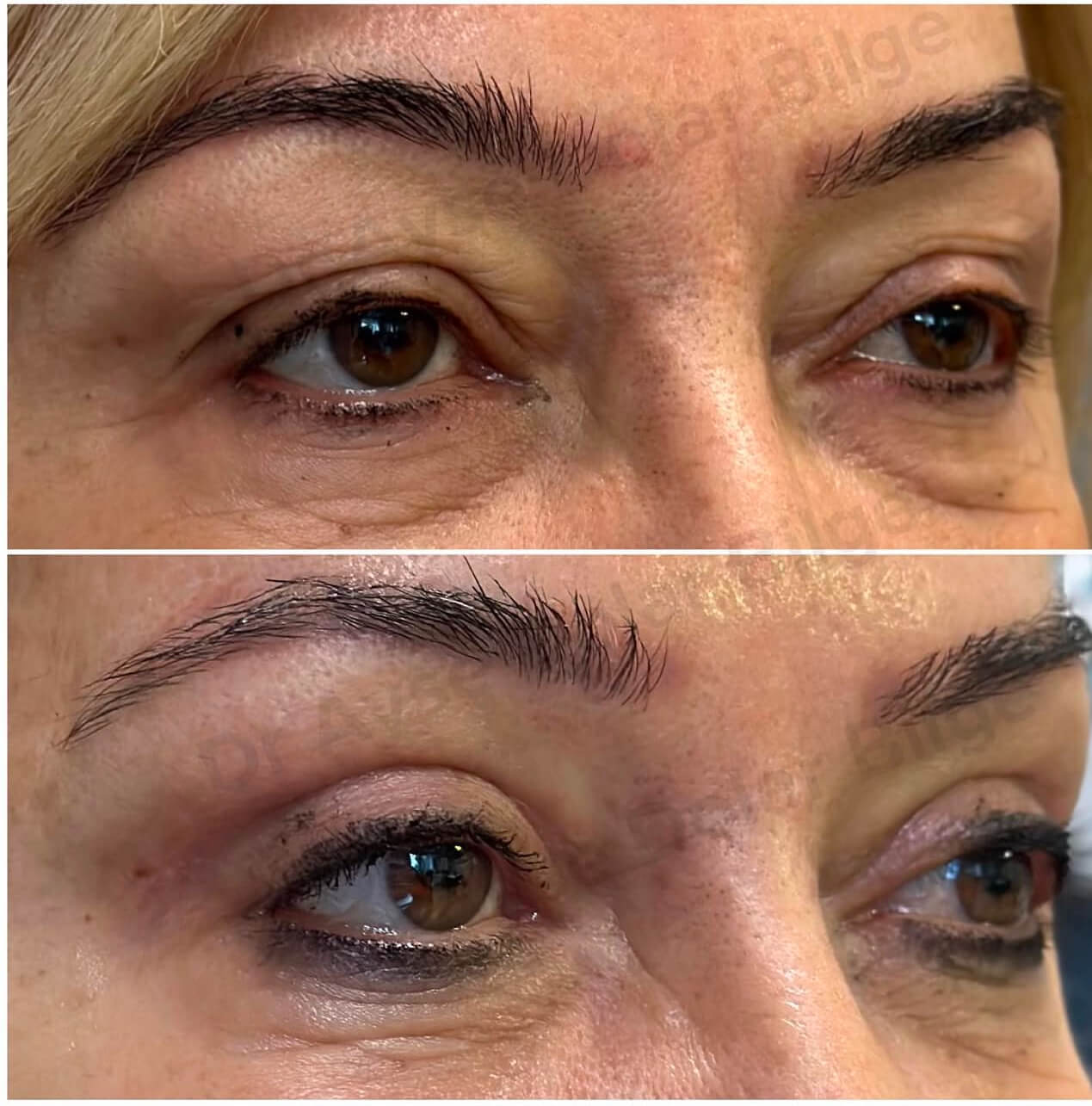
Blepharoplasty is the medical name for eyelid surgery. It covers the reshaping of excess skin, lax muscle and forward-displaced fat in the upper and lower eyelids. It is not purely cosmetic: where eyelid skin obstructs the upper visual field, surgery becomes a functional necessity.

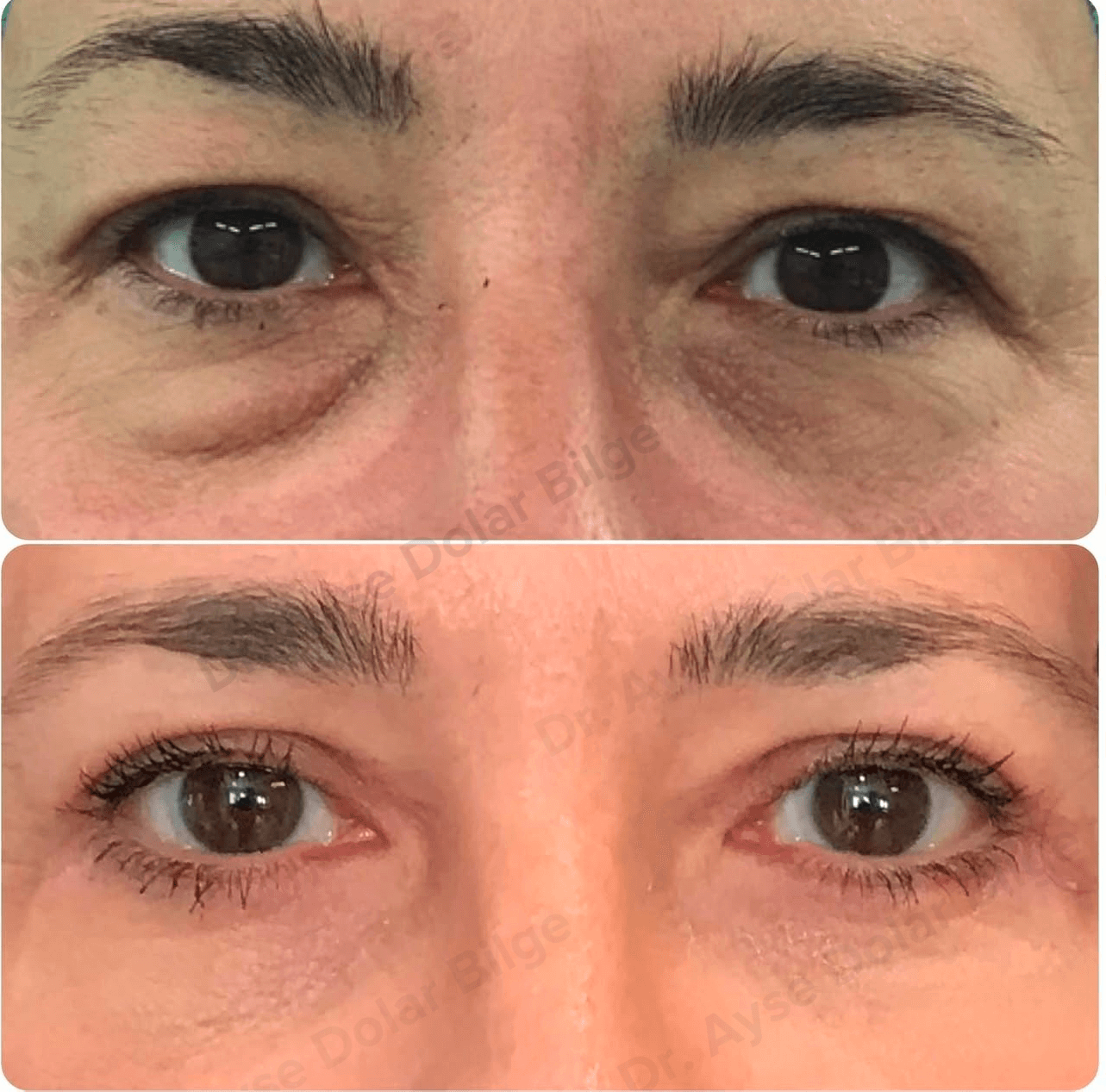
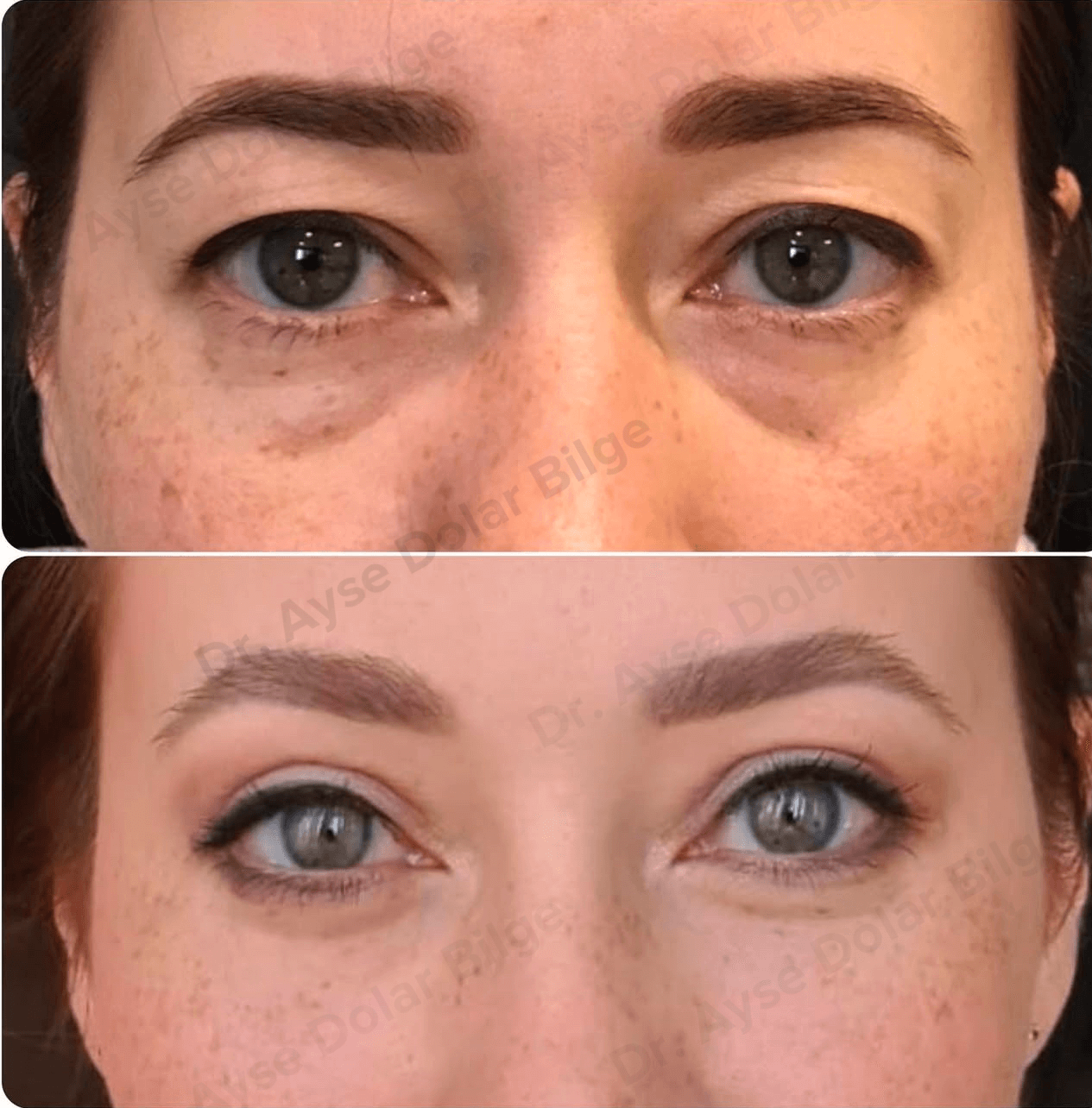
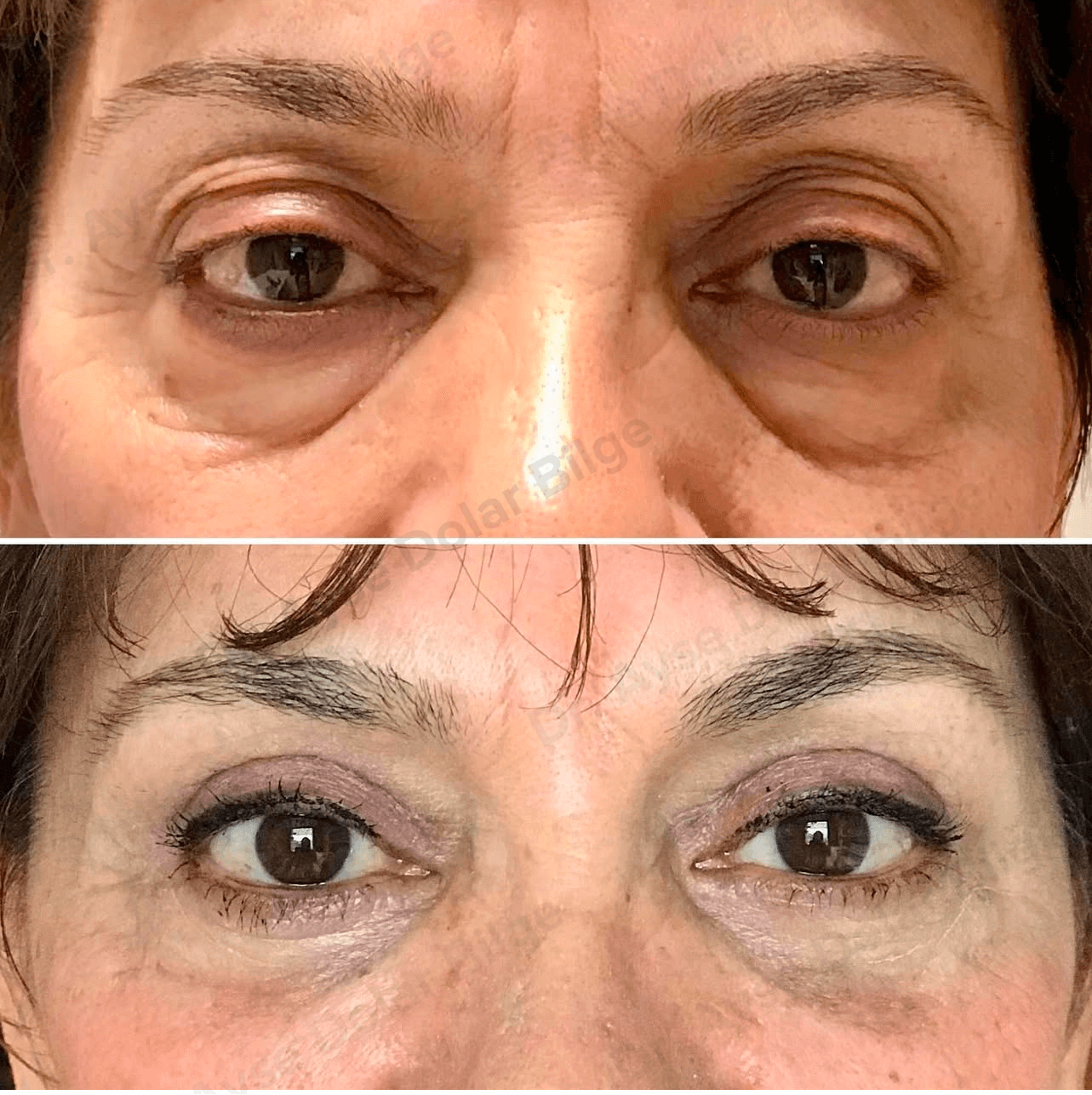
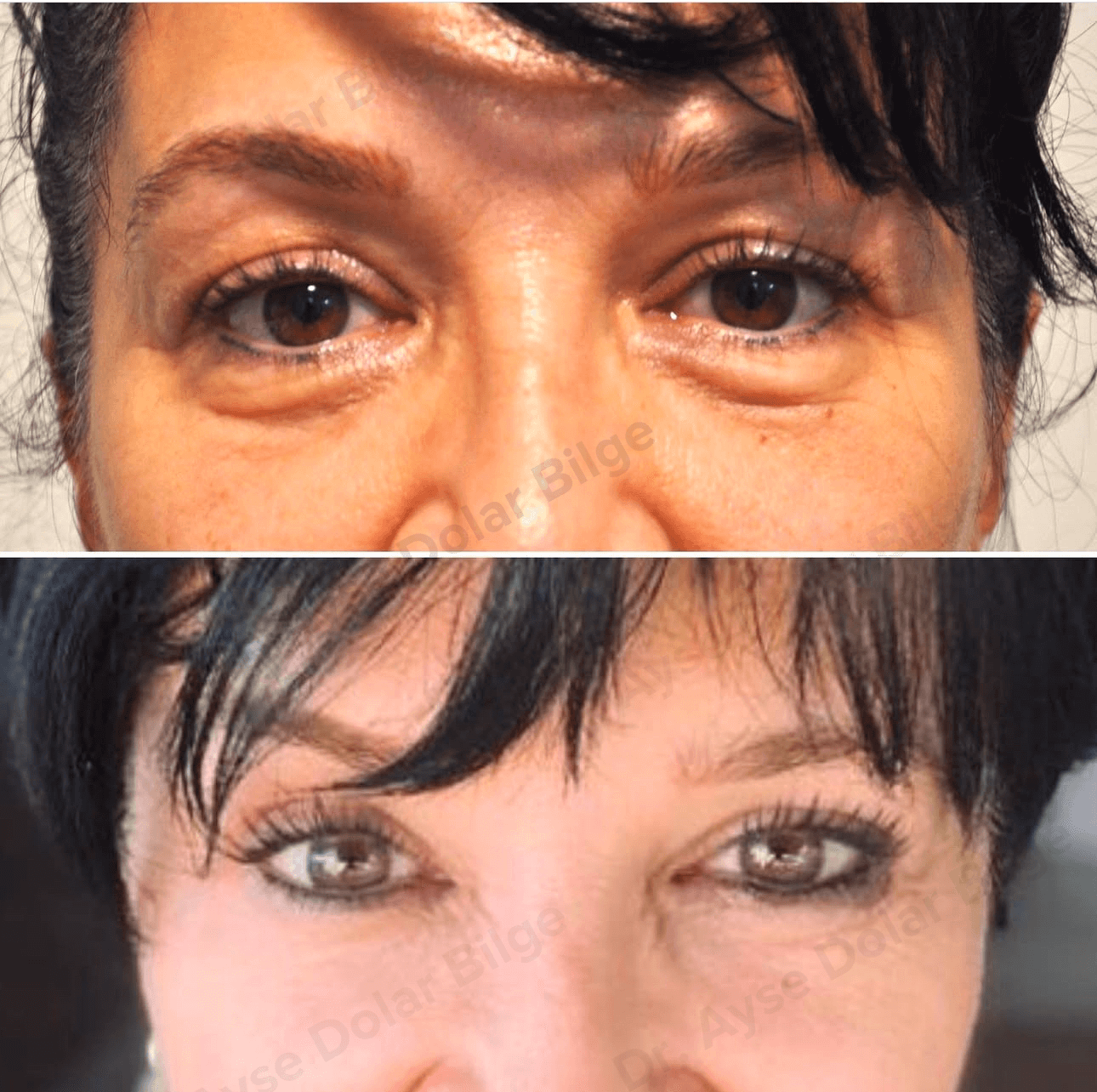
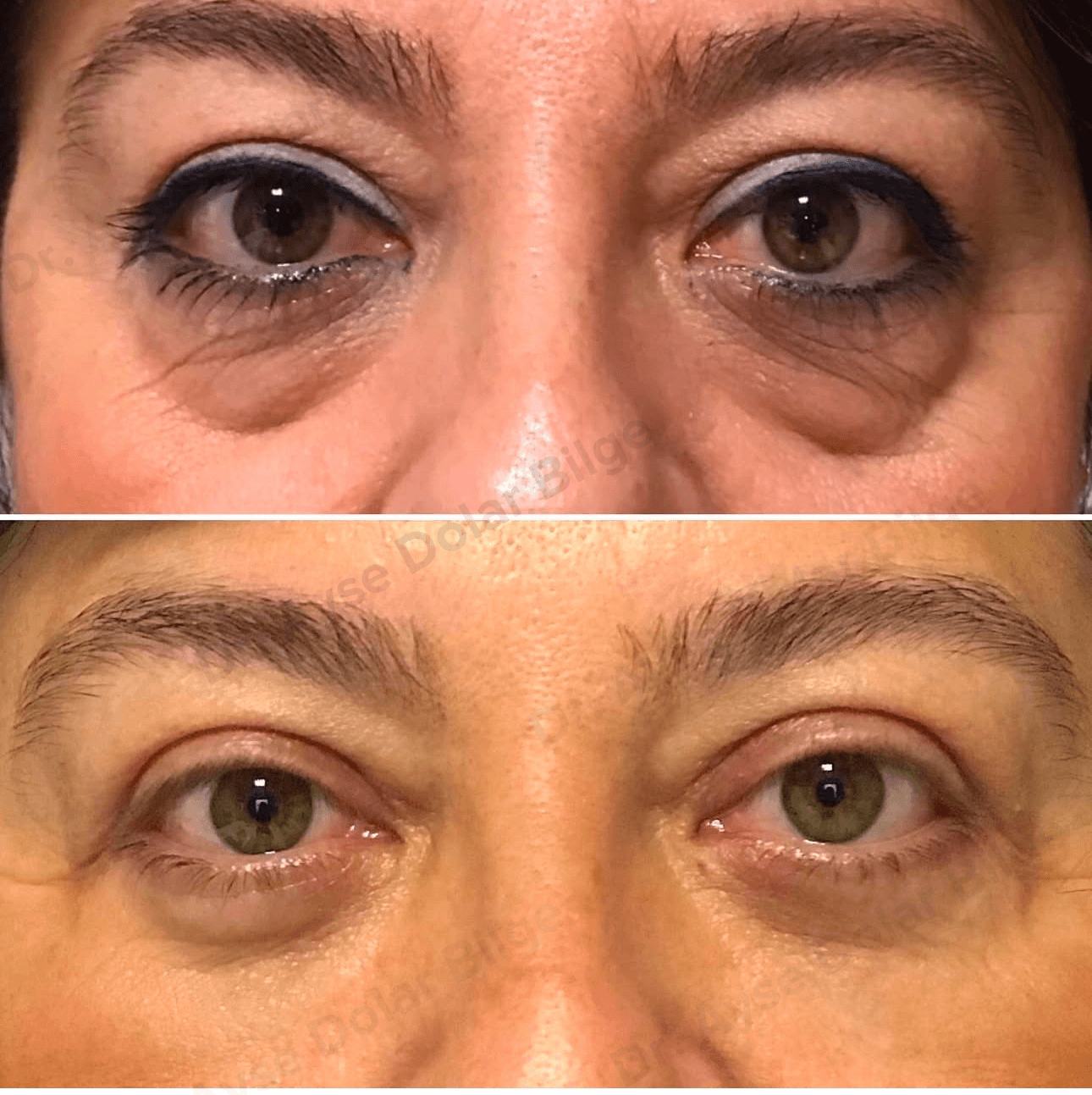
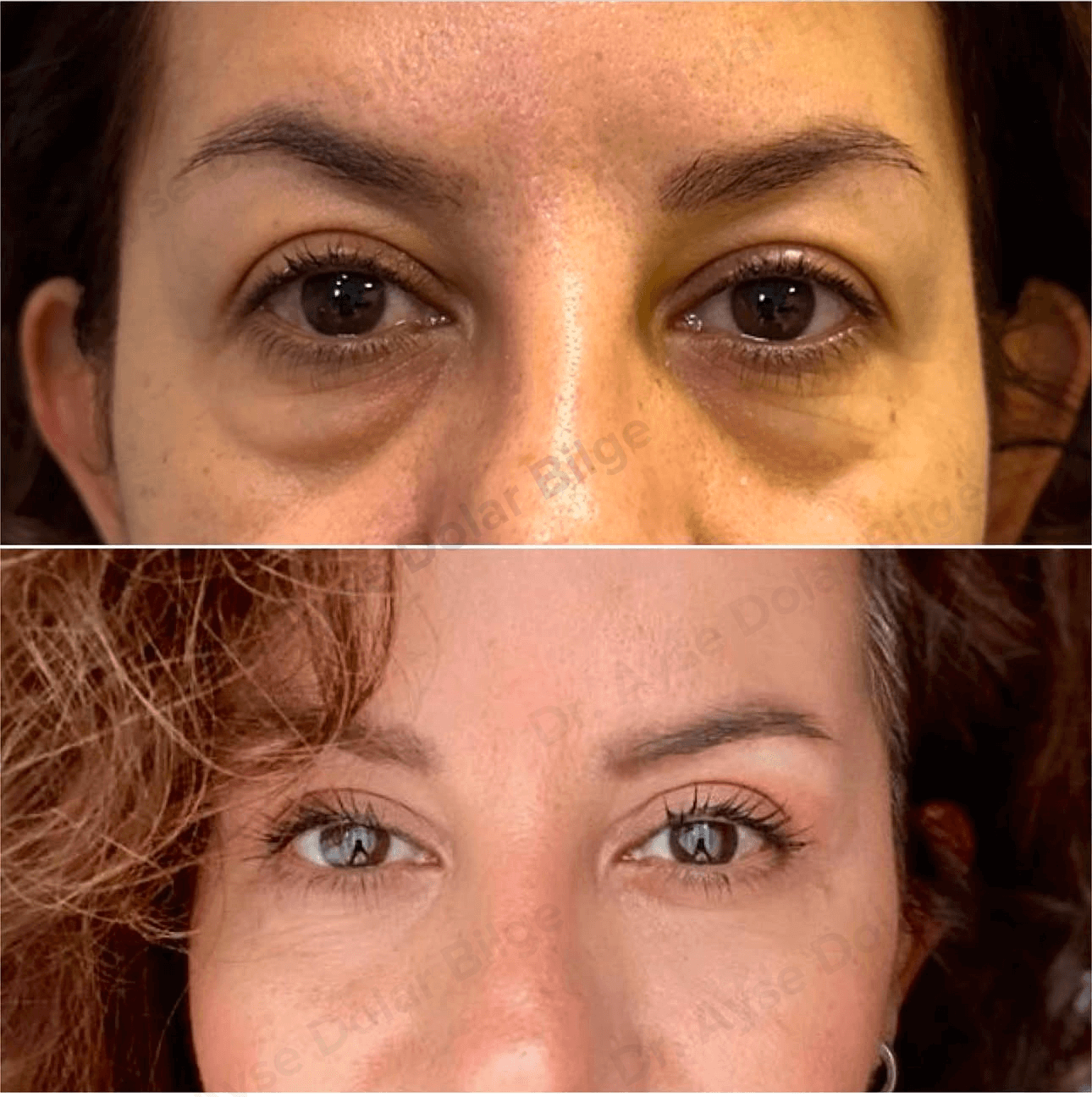
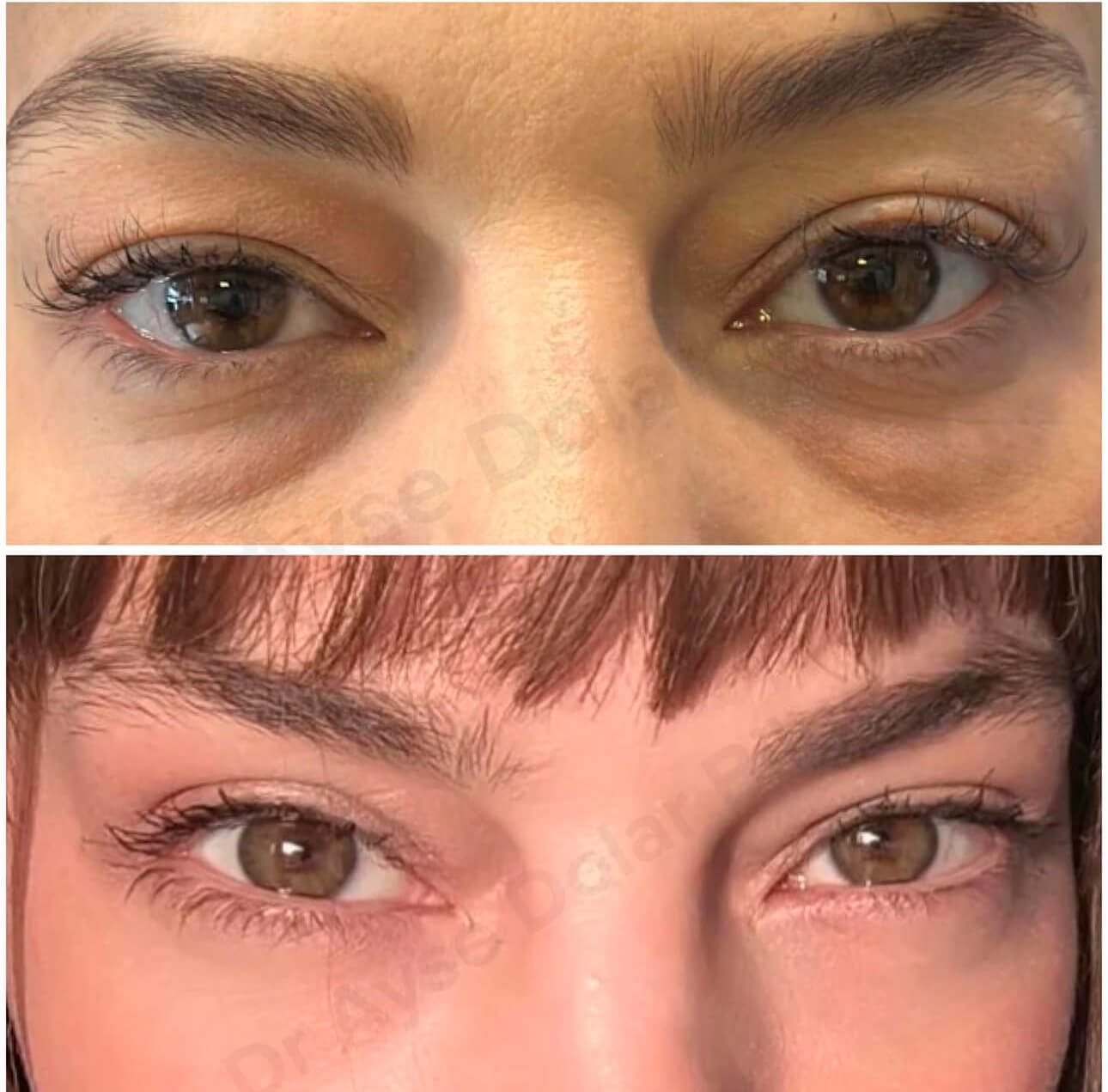
Lower Eyelid Blepharoplasty

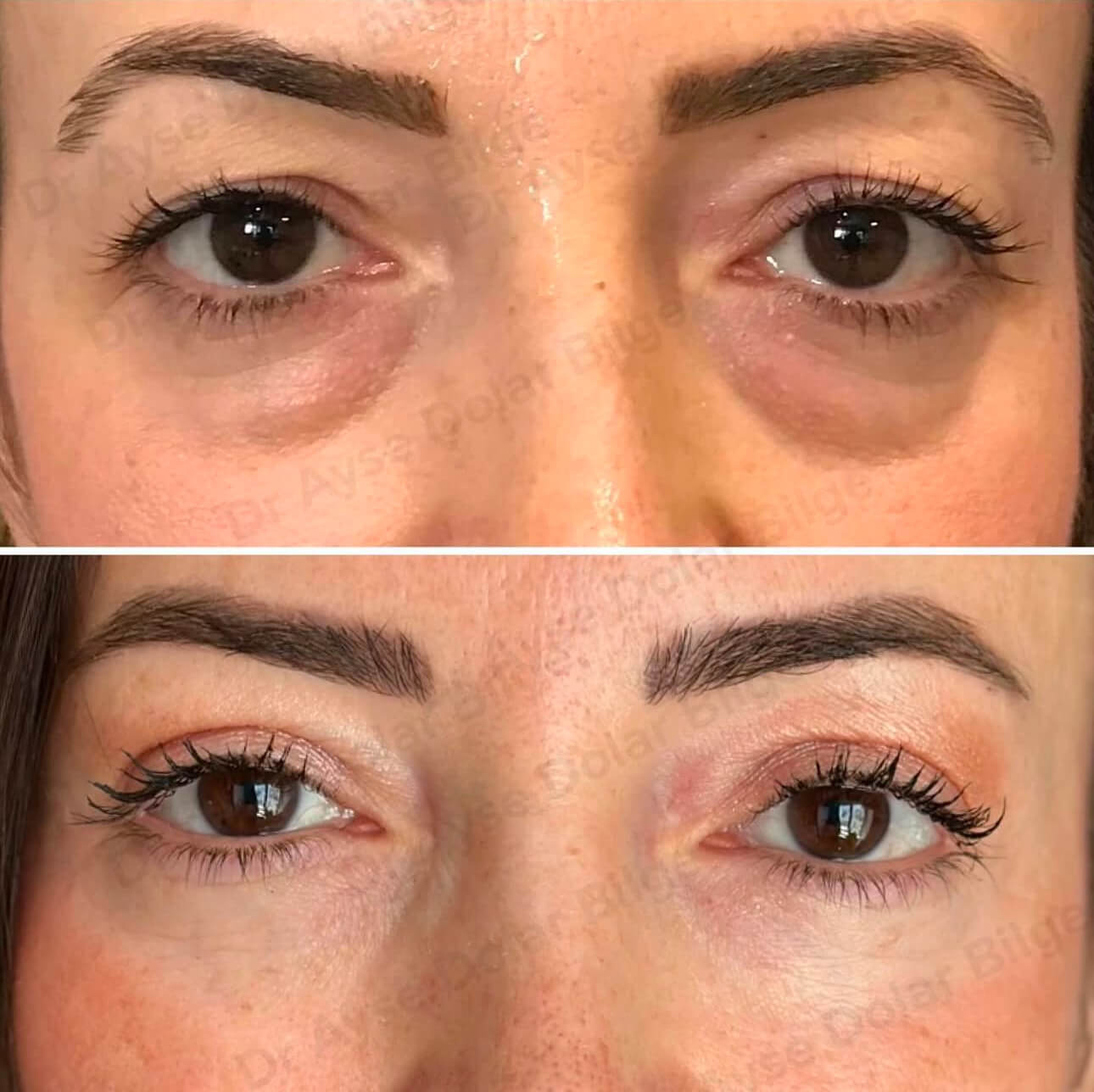
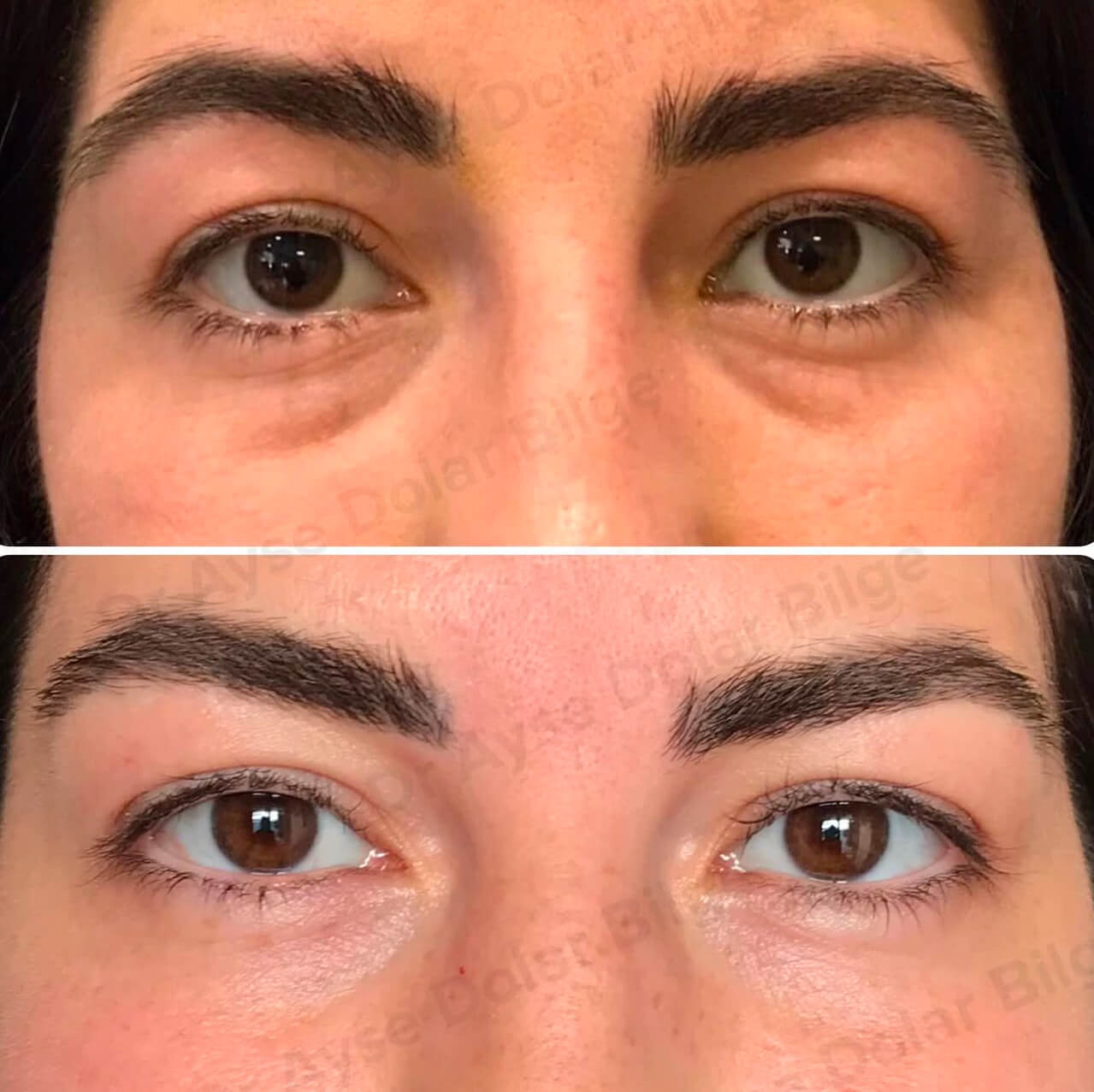
Surgery for under-eye bags, lower lid puffiness and skin laxity. Where bags are the only problem the lid can be entered from behind with no skin incision; where there is also excess skin, an incision is made below the lash line. Not every kind of puffiness needs surgery, so the cause has to be identified first.

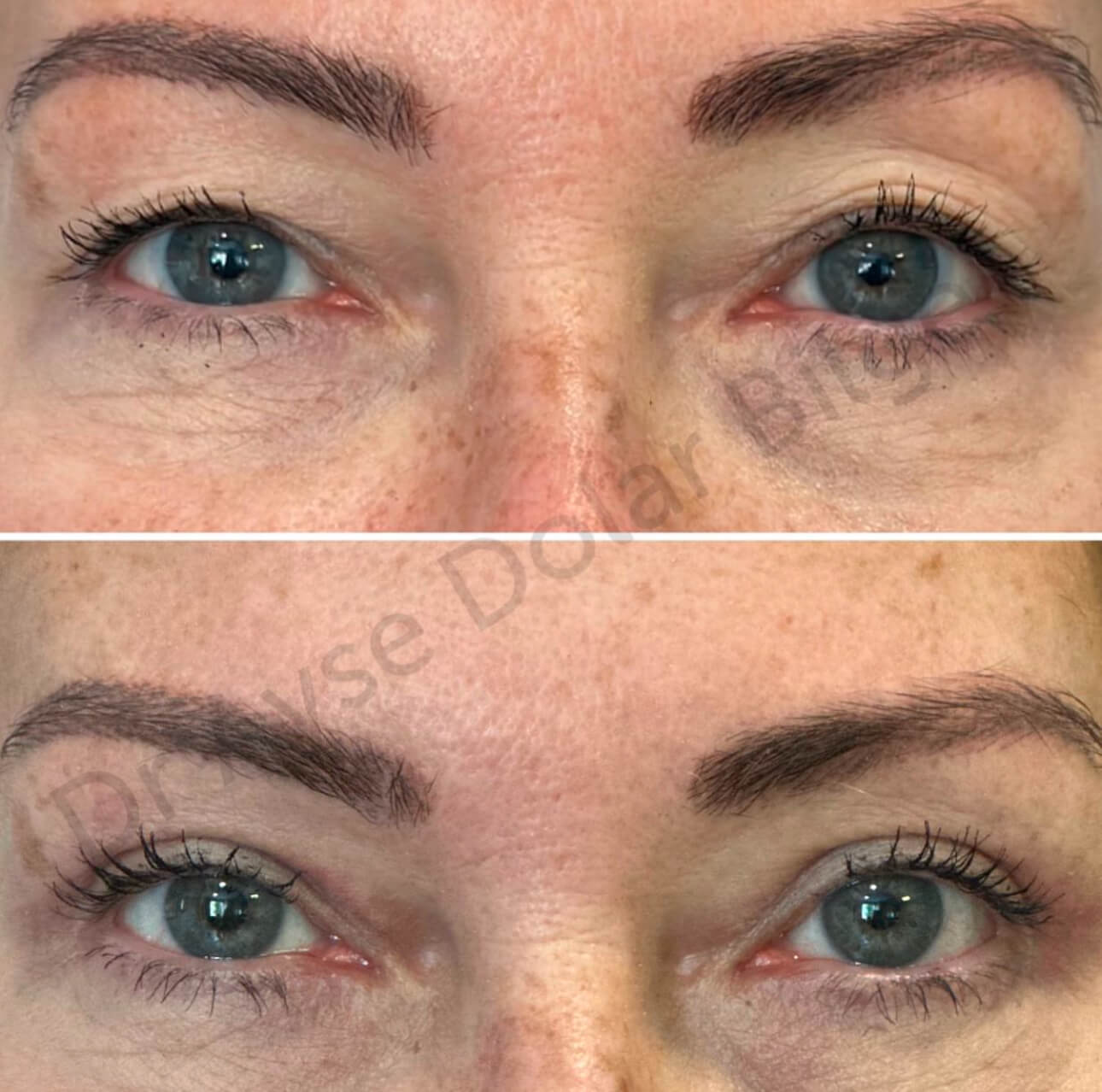
Upper Eyelid Blepharoplasty

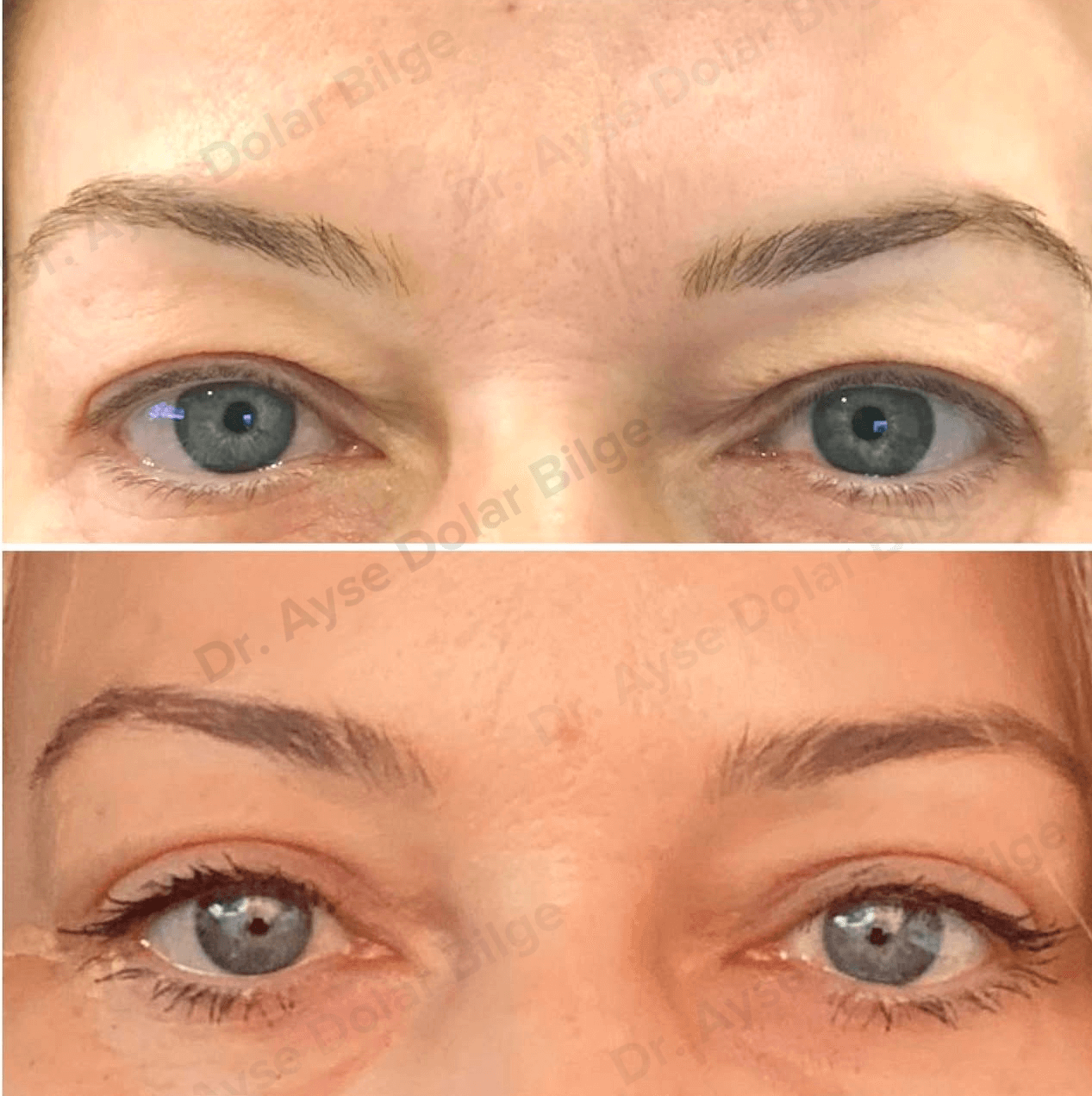
Surgery for the loss of skin elasticity, sagging and fat herniation that develop in the upper eyelid over time. The aim is a rested appearance with a better-defined lid crease, without altering the natural structure of the eyelid. It is usually performed under local anaesthesia and does not require a hospital stay.

What Is Blepharoplasty (Eyelid Aesthetics)?

Blepharoplasty is the medical name for eyelid surgery. The word comes from the Greek blepharon (eyelid) and plastikos (to shape). It reshapes the upper and lower eyelids by addressing excess skin, lax muscle and forward-displaced fat, giving the eye area a more rested appearance.

Blepharoplasty is not purely cosmetic. Excess skin on the upper lid can obstruct the upper visual field, and in that case surgery becomes a functional necessity. Oculoplastic surgery is the ophthalmic subspecialty that addresses both sides of the problem together.

What Procedures Does Blepharoplasty Cover?

Blepharoplasty is not one operation but a family of them. At the examination I decide which is needed through these distinctions:

Upper blepharoplasty: Removing excess upper lid skin and, where needed, adjusting the medial fat pad. See upper eyelid blepharoplasty.

Lower blepharoplasty: Correcting under-eye bags and skin excess. See lower eyelid blepharoplasty.

Ptosis surgery: Repairing the muscle that lifts the eyelid when the lid margin itself has dropped. This is entirely different from removing skin; see droopy eyelid (ptosis).

Lid tightening: Reinforcing the lateral canthal support when the lower lid is lax.

Revision surgery: Correcting the outcome of previous eyelid surgery; see revision (correction) eyelid surgery.

In the short video below I set out what canthoplasty really involves.

Who Is It Suitable For?

People with drooping or heavy upper eyelids,

Those with under-eye bags, puffiness and wrinkling,

Patients with lax skin and fat accumulation around the eyes,

Those whose upper visual field is obstructed by eyelid skin,

Patients who can no longer apply eye make-up because the lid crease has disappeared.

I postpone surgery when there is uncontrolled dry eye, active lid margin inflammation, uncontrolled blood pressure or ongoing blood-thinner use. In dry eye patients I treat the ocular surface first and plan surgery afterwards.

How Eyelid Surgery Is Performed

Blepharoplasty can be carried out under local or general anaesthesia. Upper lid procedures are usually performed under local anaesthesia without an overnight stay. Duration depends on the extent of the procedure.

Upper Eyelid Surgery

The skin to be removed is marked with the patient upright and the eyes comfortably open. This marking is the most decisive step.

The incision follows the eyelid's own natural crease.

Excess skin is removed; where needed, part of the medial fat pad is reduced or repositioned.

The incision is closed with fine sutures and the scar sits within the crease.

Lower Eyelid Surgery

When bags are the only problem, the lid is entered from behind (transconjunctival) and no skin scar is left.

Where there is also skin excess, an incision is made just below the lash line.

Fat is removed or repositioned into the tear trough.

If the lid is lax, tightening is added in the same session.

In the short video below I explain what Asian blepharoplasty is and how it differs from other upper lid procedures.

Recovery Timeline

First 48 hours: Swelling and bruising peak; cold compresses and head elevation help.

Days 5-7: Sutures are removed.

Week 2: Most patients return to work and social life, often with make-up.

Months 1-3: Firmness and pinkness along the incision soften.

Months 3-6: The final result emerges. Lower lid healing takes longer than upper lid healing.

Risks and Complications

Temporary swelling, bruising and tenderness,

Dryness, burning and grittiness,

Asymmetry or a difference in crease height between the two lids,

Incomplete lid closure from removing too much skin,

Lower lid retraction or ectropion,

Hollowing from removing too much fat,

Rarely infection, bleeding and visible scarring,

Very rarely, retrobulbar haemorrhage, which threatens vision.

Some of these can be corrected with a second procedure, which is why follow-up matters as much as planning the first operation.

Non-Surgical Options

Not every periocular complaint needs surgery. Where the problem is limited to expression lines, volume loss or skin quality, injection-based methods may suit better: botulinum toxin injections, dermal fillers, mesotherapy, and NanoFat injections prepared from the patient's own fat. All of these are gathered under periocular rejuvenation.

Before and After Surgery

Discuss your expectations and every medication you take with your surgeon beforehand.

Do not stop a blood thinner without consulting the physician who prescribed it.

If you smoke, pause for at least two weeks before the procedure.

Avoid strenuous activity and bending forward during the first week of recovery.

Wear sunglasses outdoors and pause eye make-up until the sutures are removed.

Attend your follow-up visits; the assessments at one week, one month and three months shape the outcome.

Treatment in Istanbul

I am an ophthalmologist working in oculoplastic surgery in Kadıköy, Istanbul. I hold the FEBO diploma of the European Board of Ophthalmology and am an active member of ESOPRS, the European Society of Ophthalmic Plastic and Reconstructive Surgery, and of the Oculoplastic Surgery Unit of the Turkish Ophthalmological Association.

Patients travelling from abroad should plan the trip around the recovery timeline set out above: enough time to attend the suture removal visit before flying home, and a clear route for follow-up questions afterwards.

More than 1000+ happy health support.
10+
Support from healthcare personnel
4.9
200+ Rating
I wish I could write more things and sing her praises for Doctor Ayşe Hanım. I take my hat off to her for her profession, ladylikeness, nobility, kindness, beautiful face and humanity, and I wish her to reach even better levels. With my love!
C... N..oğlu, İstanbul
First of all, she is a perfect doctor. She constantly followed me during the difficult process I went through and guided me in the most correct way. My process is still ongoing. Even though we are in different cities, she still hasn't left me alone with the treatment. I am glad that our paths crossed with Ms. Ayşe. I am grateful to her.
De... Ö..t., Istanbul
My dear doctor, she is a wonderful doctor who treats her patients like relatives, is always accessible, always smiling and energetic. She recently performed my upper and lower eyelid surgery with her skillful hands, the result was truly incredible, it is a wonderful feeling to have eyes that look both natural and young. Ayşe Hanım is truly a sincere, trustworthy, and expert doctor who never leaves her patient after the surgery.16-08-2020
...ek Ç..ar
...ek Ç..ar
Scroll
CONTACT US
WHATSAPP