
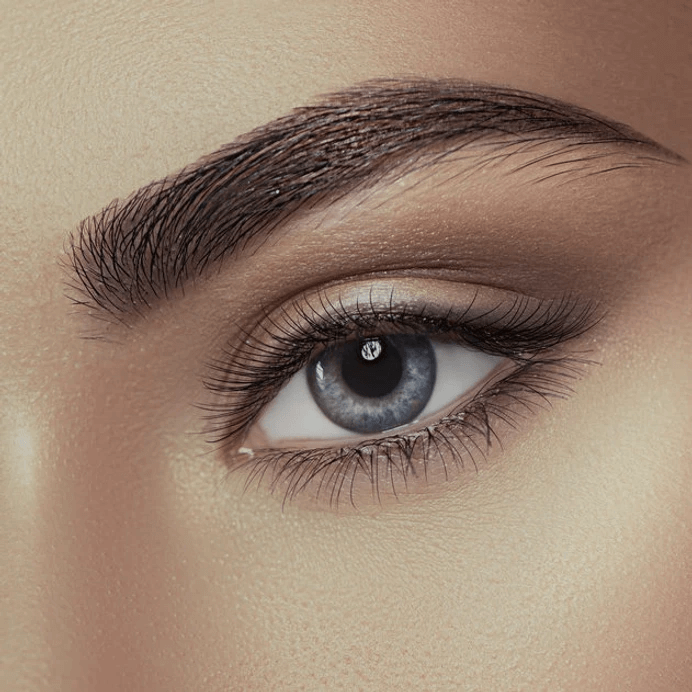
Eyelid inversion, medically known as entropion, is a condition where the eyelid (usually the lower lid) turns inward, causing the eyelashes and skin to rub against the surface of the eye. This can lead to significant discomfort, irritation, and potential damage to the cornea if left untreated. Entropion is more common in older adults but can occur at any age due to various causes.
Put simply, the lid margin rolls inward from where it belongs. The lashes and lid skin then sit on the cornea and sweep across it with every blink. Patients usually describe a persistent feeling of grit in the eye that drops do not relieve. The source of the complaint is not the ocular surface itself but the position of the lid, which is why the lasting answer lies in repositioning the lid rather than in medication.
Entropion is seen most often in the lower lid. When it affects the upper lid it usually follows a disease that has left scar tissue on the inner surface of the lid, and it calls for a more careful assessment.
Diagnosis rests largely on the examination. Under the slit lamp I magnify the lid margin and see directly whether the lashes are touching the cornea. I then perform simple tests of lid laxity: how far the lid can be pulled away from the globe, and how quickly it snaps back, show how much lid support has been lost. Asking the patient to squeeze the lids shut often brings out an inversion that was hiding.
Staining the corneal surface reveals the scratches left by the rubbing, which tells me how urgent surgery is. If the inner surface of the lid is scarred, shortened or adherent, the diagnosis is cicatricial entropion and the surgical plan changes completely. I also measure tear production to see how much dry eye is contributing.
None of these correct lid position permanently; they ease the symptoms and protect the cornea in the meantime.
I usually operate under local anaesthesia. The procedure takes roughly thirty to sixty minutes and the patient goes home the same day. Where ingrown lashes accompany the entropion, the remaining misdirected lashes are treated separately once the lid has been repositioned; details are on the ingrown eyelashes page.
Cold compresses in the first 48 hours reduce swelling and bruising. Tightness and mild discomfort in the lid are normal in the early days. Sutures are removed during the first week depending on their position, and dissolving sutures are used in some patients. Bruising settles noticeably during the second week.
Immediately after surgery the lid may look slightly over-tightened or turned a little outward; this resolves as the swelling subsides. The gritty sensation eases markedly within days for most patients, though a scratched cornea may take a few weeks to heal fully. Risks include undercorrection, overcorrection leading to an outward-turning lid, irregularity of the lid margin and, rarely, recurrence. For this reason I see my patients several times during the first month.
Both are disorders of lid position and both are most often caused by age-related tissue laxity, but they run in opposite directions. In entropion the lid rolls inward, the lashes rub the eye, and the dominant complaint is grittiness and pain. In ectropion the lid falls away from the globe; tears can no longer be pumped towards the drainage channel, so constant watering dominates and the inner surface of the lid becomes visible. One can turn into the other over time in the same patient. The distinction is easy at the examination, and the treatment principle is the same: rebuilding the lid's lost support.
If you have a gritty sensation that will not go away, if the lid margin looks rolled inward, if you cannot tolerate light or if your vision is becoming blurred, you should be assessed without delay. Constant rubbing of the cornea can leave a permanent scar.
Entropion is a condition that can significantly impact eye health and quality of life. Early diagnosis and appropriate treatment are essential to prevent complications such as corneal damage. If you suspect you have entropion, consult an ophthalmologist promptly to explore your treatment options.
Ayşe Dolar Bilge MD, FEBOphth.
Ophthalmologist — Oculoplastic Surgery
As an Ophthalmologist, Dr. Ayşe Dolar Bilge, I provide diagnosis and treatment services with my experienced team.
Entropion is an inward rolling of the eyelid, so the lashes and lid skin touch the surface of the eye. It is seen most often in the lower lid. Because the lashes sweep the cornea with every blink, the eye feels persistently gritty, red and watery. The source of the trouble is the position of the lid, not the ocular surface.
The commonest cause is age-related laxity of the muscles, tendons and supporting tissues of the lid. Scar tissue following burns, chemical injury, surgery or infection, chronic lid margin inflammation, spasm of the muscles around the eye and, rarely, congenital structural problems can also cause it.
Artificial tears, taping and a therapeutic contact lens ease symptoms and protect the cornea, but they do not correct lid position permanently. Spastic entropion caused by surface irritation may settle once the irritation is treated. In age-related entropion, lasting correction comes from surgery.
Surgery is usually carried out under local anaesthesia and takes thirty to sixty minutes. In age-related entropion the tendon at the outer corner is shortened and the retractor fibres of the lid are reattached. In cicatricial entropion the inner surface of the lid may need lengthening with a tissue graft. The patient goes home the same day.
Both are lid malpositions with the same leading cause, but they run in opposite directions. In entropion the lid rolls inward, the lashes rub the eye and grittiness and pain dominate. In ectropion the lid falls away from the globe; tears cannot be pumped away, so constant watering dominates and the pink inner surface of the lid becomes visible.
Because tissue laxity is an ongoing process, recurrence over the years is possible. It is more likely in cicatricial entropion and where an underlying inflammatory condition is not brought under control. Regular follow-up after surgery and continued lid margin care therefore matter.
Constant rubbing first scratches the cornea, then creates open sores and raises the risk of infection. Prolonged contact can leave permanent haze in the clear layer and lastingly reduce vision, so the problem should be addressed before corneal damage begins.
To get detailed information, send us your contact information and we will call you as soon as possible. Contact us now
 English
