In lower eyelid aesthetics, two commonly confused techniques are fat transposition and fat injection (fat transfer). Although both methods aim to improve the under-eye area, they are fundamentally different procedures with distinct purposes and techniques. Understanding the difference is essential for choosing the most appropriate treatment plan.
Fat transposition is a surgical technique performed as part of Lower Eyelid Blepharoplasty.
In this procedure:
Because the fat maintains its vascular connection, it has a higher chance of long-term survival and integration in its new position.
This technique is especially effective in patients who have both puffiness (bags) and hollowing under the eyes.
Fat injection, also known as Fat Transfer, is a completely different procedure.
In this technique:
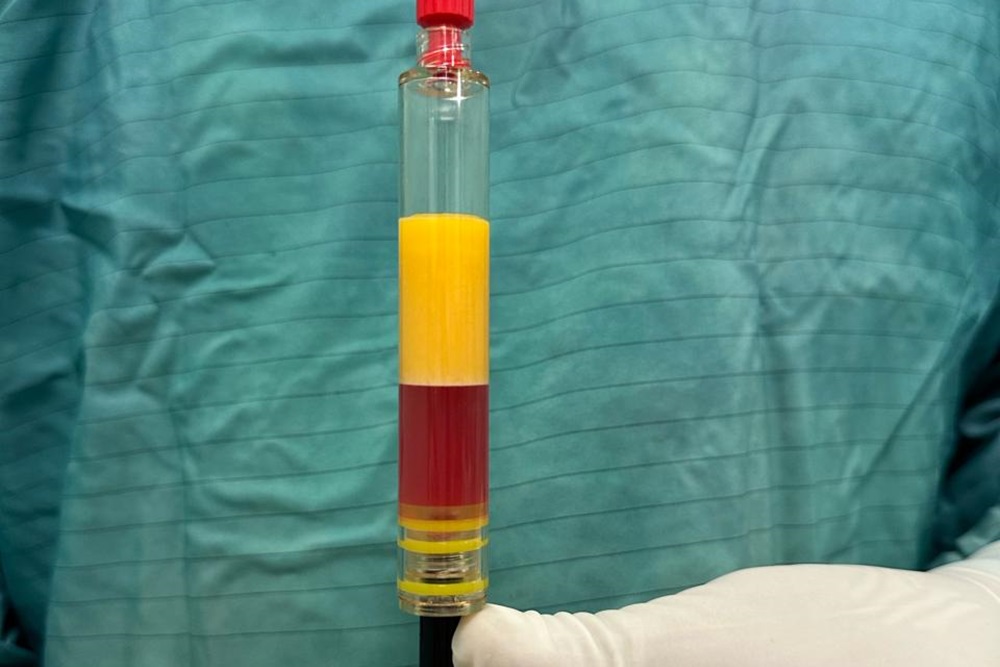
A more refined variation of fat transfer is Nanofat Injection.
For this reason, nanofat is often used in combination with traditional fat transfer or fat transposition to enhance overall skin quality rather than volume alone.
| Feature | Fat Transposition | Fat Injection (Fat Transfer) |
|---|---|---|
| Procedure Type | Surgical (part of blepharoplasty) | Minimally invasive (injection-based) |
| Fat Source | Existing under-eye fat | Fat taken from another body area |
| Blood Supply | Preserved | Re-established after transfer |
| Main Purpose | Reposition existing fat | Add new volume |
| Longevity | Generally more stable | Variable (some absorption possible) |
Yes. In many cases, fat transposition and fat injection can be performed together to achieve optimal results.
For example:
Combining both techniques can provide a more comprehensive and natural rejuvenation.
The choice between fat transposition, fat injection, or a combination of both depends on:
There is no single “best” method for everyone. The key is to analyze the patient’s needs carefully and create a personalized treatment plan.
Although fat transposition and fat injection are often confused, they serve different purposes and are applied using different techniques.
Both methods can be used alone or together. The most successful outcomes are achieved when the treatment is tailored specifically to the patient’s anatomy and aesthetic goals.
 English
