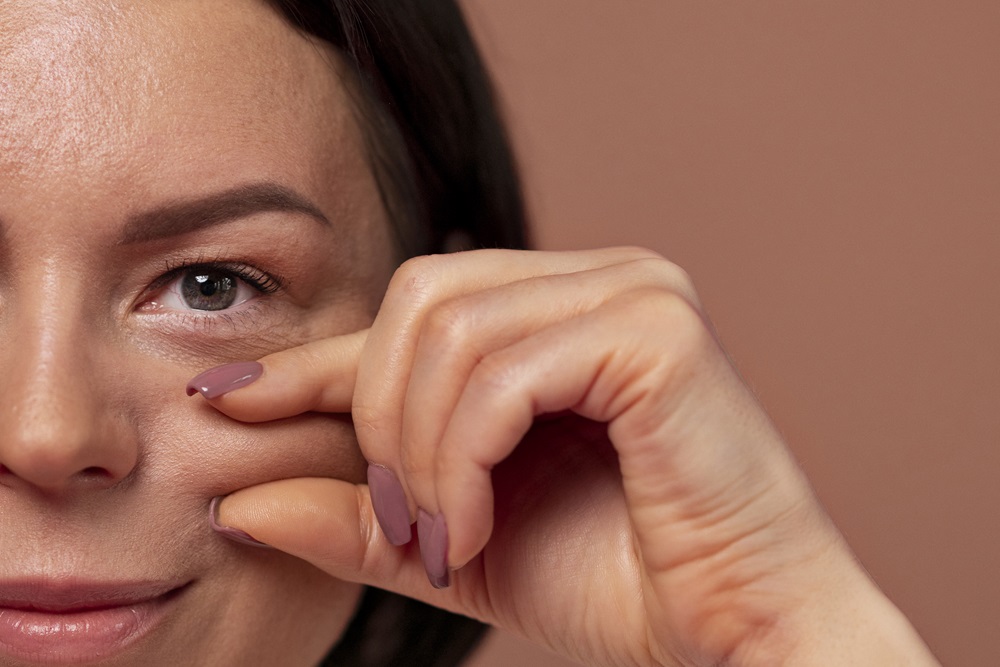
Under-Eye Light Filler: Who is Not Good & Who is Good Candidate?
Under-eye light filler is a non-surgical aesthetic treatment designed to improve the appearance of the tear trough area by restoring lost volume under the eyes. The procedure aims to reduce the tired or hollow look and create a smoother transition between the lower eyelid and the cheek.
This treatment is typically performed using Hyaluronic Acid Filler, a substance naturally present in the body that helps maintain skin hydration and volume. When injected carefully into the appropriate anatomical layer, it can soften shadows and provide a more refreshed facial appearance.
Under-eye filler is particularly effective for individuals experiencing tear trough deformity, where a hollow groove forms between the lower eyelid and the cheek. By restoring subtle volume in this area, the treatment can help the eyes appear more rested and youthful.
However, under-eye filler is not a universal solution for all under-eye concerns. The success of the treatment largely depends on correct patient selection and proper injection technique. For some patients, other treatments may be more appropriate.
Although under-eye light filler can produce excellent results in the right patients, there are specific situations in which this treatment is not recommended.
One of the most common misconceptions is that fillers can treat under-eye bags. In reality, fillers do not remove the fat that causes the bulging appearance.
The definitive treatment for prominent eye bags is usually Lower Eyelid Surgery (Blepharoplasty).
If filler is injected into an area where a bag already exists, it may:
For this reason, filler is generally avoided in patients with significant under-eye bags.
The skin under the eyes is extremely thin and delicate. When filler is injected too superficially into this thin skin layer, it may become visible and create an uneven surface.
Instead of correcting fine wrinkles, filler may cause:
Because fillers mainly address volume loss rather than skin quality, they are not the ideal treatment for fine wrinkles.
Dark circles or discoloration under the eyes are not always caused by volume deficiency. They may occur due to:
Since filler treatment primarily targets volume loss, it is not the main treatment for pigmentation-related dark circles. Other dermatological treatments are usually more suitable.
Malar edema refers to persistent swelling in the upper cheek and lower eyelid area.
Fillers such as Hyaluronic Acid Filler have the ability to retain water. In patients with malar edema, this property may worsen the swelling and make the under-eye area appear puffier.
Therefore, filler treatment is generally not recommended for patients who already have malar edema.
Under-eye filler works best in patients whose main concern is volume loss in the tear trough area rather than swelling, pigmentation, or skin texture problems.
Good candidates typically have:
In these cases, carefully placed filler can restore lost volume and create a smoother transition between the lower eyelid and cheek. This helps reduce shadows and gives the eyes a more rested and rejuvenated appearance.
Ultimately, a detailed facial evaluation is essential to determine whether under-eye filler is the most appropriate treatment. When performed on the right patient with the correct technique, it can deliver natural, subtle, and highly satisfying results.
 English
