Medical content: Ayşe Dolar Bilge, MD, FEBOphth.
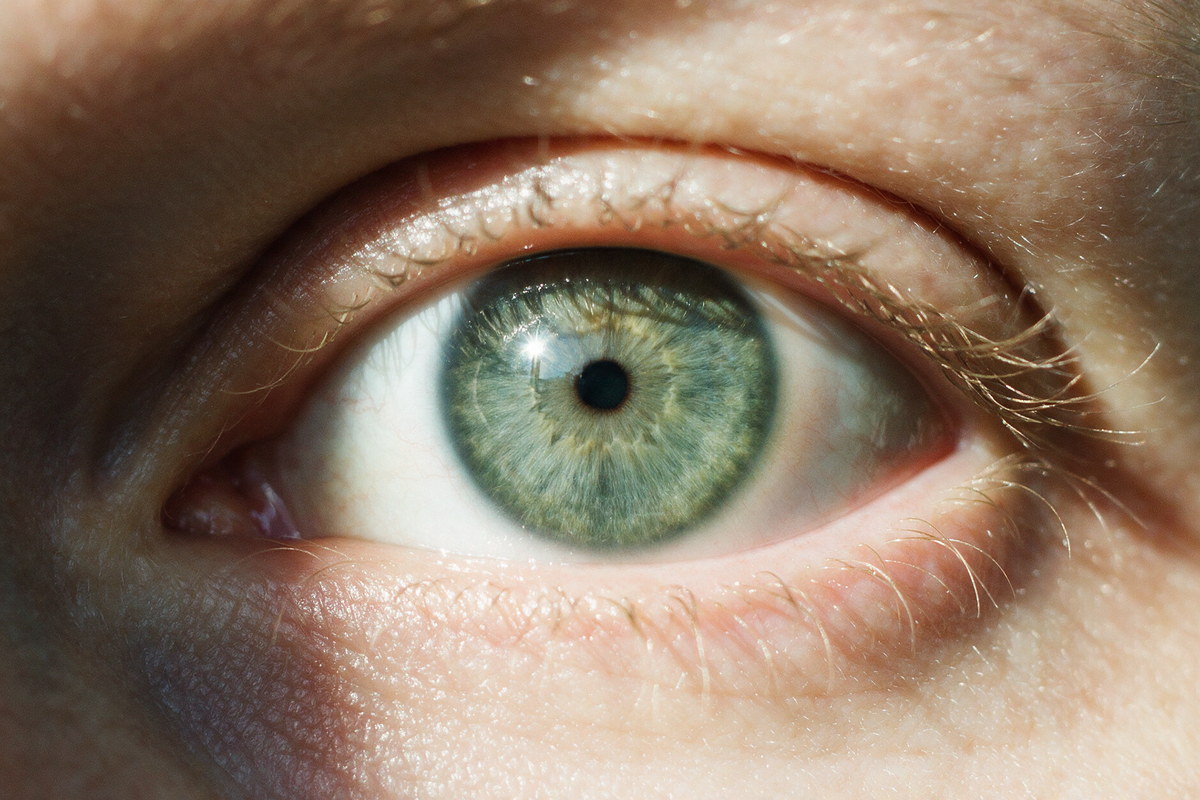
"My pupils look tiny. Is something wrong?" I hear this from patients who have seen themselves in a photograph, noticed it in a mirror or been told by someone else. Miosis is the medical word for a small pupil, usually defined as a pupil that is smaller than it should be for the lighting at that moment. Often it is completely normal. Sometimes it points to a problem in the eye or in the nerves that control it. In this article I explain what miosis is, how light and age change pupil size, what some eye drops and medicines do, when one pupil smaller than the other matters, what the Horner pattern is, which neurological and eye-surface causes exist and what the examination covers.
The pupil is the dark opening in the centre of the iris. It acts like the aperture of a camera, getting smaller to limit light and larger to let more in. Two small muscles in the iris control it. One squeezes the pupil (the sphincter), and the other opens it (the dilator). Each is driven by a different part of the nervous system.
Miosis is when the squeezing muscle is dominant, or the opening muscle is weak, so that the pupil stays small. It can affect one eye or both, can be brief or long lasting, and can be a normal response or a sign of something else.
Pupils change all day. In bright sunlight they are small, in a dim room they are large, and when you look at something close they narrow slightly. This is exactly what they should do. If you check your pupils in a bright bathroom mirror, they will look small for that reason alone.
That is why I always ask where and in what light the observation was made. A small pupil in bright light, with a quick response when the light changes, is rarely a concern. It becomes interesting when the pupil stays small in dim light, when it reacts slowly or not at all, or when the two sides disagree.
Several everyday factors lead to small pupils without any disease:
Medicines can also matter. Some eye drops are designed to narrow the pupil and are used for particular eye conditions or during certain examinations. Certain strong pain medicines taken by mouth or injection can make both pupils small as well. If you started a new eye drop or medicine and your pupils changed, tell your doctor but do not stop prescribed treatment on your own.
In a person who has had cataract or other eye surgery, the pupil may also look different from before. Our cataract page explains that condition and its treatment.
A difference in size between the two pupils is called anisocoria. A small, steady difference is seen in a good number of healthy people, is the same in all lighting and has been there for years. Old photographs often show it. This type is usually harmless.
A difference deserves attention when it is new, when it changes from day to day, when it is larger in one light than another, or when there are other symptoms. Those include pain, redness, blurred vision, headache, double vision, drooping of the eyelid or a change in eye movement. A recent head or eye injury is another reason to be seen promptly.
Unequal pupil size in a young child should always be looked at. Our pediatric eye diseases page covers children's eye problems in general.
When a small pupil comes together with a slightly drooping upper eyelid on the same side, I think of what is called Horner syndrome or the Horner pattern. The nerve pathway that opens the pupil and lifts the lid slightly runs from the brain down through the neck and chest and back up to the eye. A problem anywhere along this path can produce a small pupil, mild lid droop and, sometimes, reduced sweating on the same side of the face.
The cause varies widely. In some people no serious cause is found. In others it points to a problem in the brain, neck or upper chest, and that is why the finding is never explained away without an examination. A new Horner pattern with neck pain, a severe headache or a recent neck injury needs urgent medical assessment the same day. For the many other causes of lid droop, our droopy eyelid (ptosis) page is a useful starting point.
Beyond Horner pattern, a small pupil can be linked to inflammation inside the eye, usually called uveitis, where the iris is irritated and the pupil becomes small and sometimes irregular, with pain, redness and light sensitivity. Scratches or inflammation of the clear front surface of the eye (the cornea) can also make the pupil look smaller because the eye is irritated. After an injury, the pupil may change shape or size and needs evaluation.
Some conditions of the nervous system can alter the way pupils react to light and to near focus. These are uncommon and are found with careful testing rather than by looking in a mirror. I mention them so that you know why an examination is more informative than a photograph.
When someone comes to me with a small pupil, I begin by asking questions: since when, one eye or both, any pain, headache, injury, new medicine or eye drop, recent surgery, and whether old photographs show the same thing. Then I look at the following:
Depending on what I find, I may suggest further tests, ask for a neurology or other specialist opinion, or reassure you that the finding is normal. Many people leave with nothing more than an explanation, which is also a good outcome.
An isolated small pupil in bright light with no other symptoms usually does not need a visit. Please arrange an eye examination if:
Go to an emergency department the same day if a new pupil change comes with sudden severe headache, neck pain, weakness, speech or balance trouble, a recent head, neck or eye injury, or sudden loss of vision.
Miosis is when the pupil is smaller than expected for the light. It is often normal in bright light, during sleep or with age. Sometimes it is caused by eye drops, medicines or an underlying condition.
Bright light, close-up focusing, sleep and older age all make pupils smaller. Some eye drops and medicines do as well. If it is new, one-sided or comes with pain or lid droop, have it examined.
A small, steady difference that has always been there is common and usually harmless. A new or changing difference needs an eye examination, especially with headache, pain, double vision or eyelid droop.
It is a combination of a small pupil, a slightly drooping upper eyelid and sometimes less sweating on the same side of the face. It comes from a problem along the nerve pathway between brain and eye, so it should always be examined.
Yes. Some drops are meant to make the pupil smaller. If you notice a change after starting a drop, tell the prescribing doctor and keep using the treatment as directed until you speak to them.
Very small pupils let in less light, so seeing in dim conditions can be harder, particularly in older adults. A small pupil can also make it harder to examine the back of the eye.
When it appears suddenly with severe headache, neck pain, weakness, trouble speaking, vision loss or after an injury. These need urgent assessment the same day.
 English

