Birgen Business Center, Bağdat Ave. No 226, Floor 2, Unit 10, Kadıköy, Istanbul, Turkey
+90 553 910 91 39 info@aysedolarbilge.com
Strabismus means the eyes cannot fix on the same point. Because a child's brain suppresses the deviating eye, untreated squint leads to amblyopia. Glasses, patching and, when needed, muscle surgery can restore both alignment and vision, and the age at which treatment starts shapes the result.
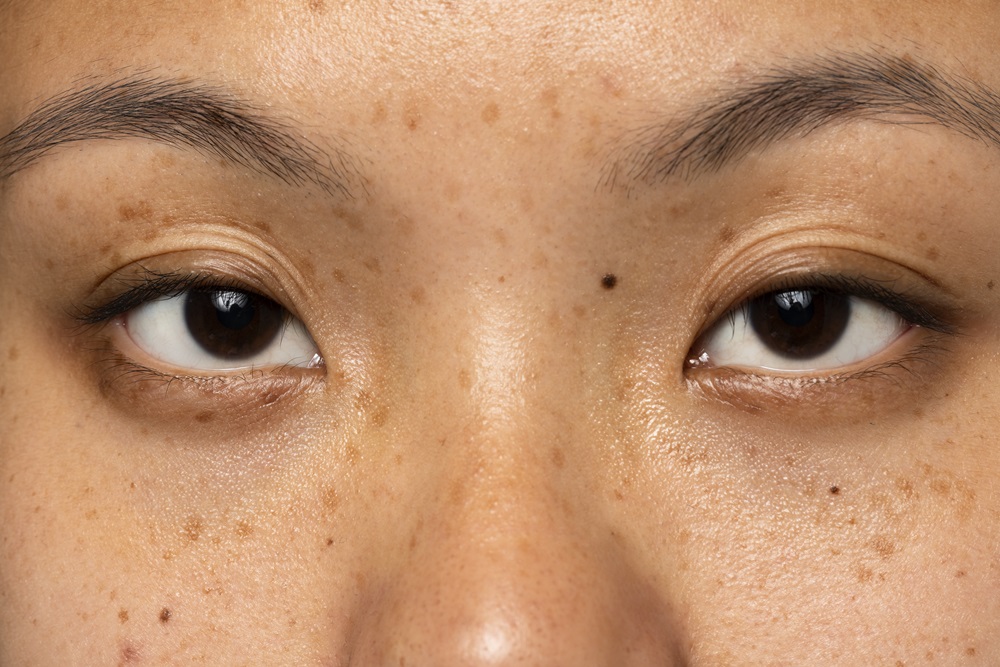
Child having ocular alignment assessed for strabismus

What Is Strabismus in Children?

Strabismus, commonly known as crossed eyes or squint, is a condition in which the eyes do not align properly and point in different directions. When the two eyes cannot fix on the same point, the brain receives two different images. A child's brain resolves this not by seeing double but by suppressing the image from the deviating eye. That is where the real problem begins: the suppressed eye is not used, does not develop, and amblyopia (lazy eye) follows.

For this reason strabismus is not simply a matter of appearance. A deviation may be small enough that parents notice it only in photographs, while vision is quietly being lost behind it. Waiting for a squint to be outgrown is the approach that wastes the most time.

Types of Strabismus

Esotropia (Inward Turning): One or both eyes turn inward toward the nose.

Exotropia (Outward Turning): One or both eyes turn outward.

Hypertropia (Upward Turning): One eye turns upward.

Hypotropia (Downward Turning): One eye turns downward.

A deviation may be constant, or intermittent and visible only when the child is tired, unwell or daydreaming. Intermittent deviation also needs assessment; it is not a finding to be left to resolve itself.

Pseudostrabismus: The Look-Alike

In infants, a fold of skin at the inner corner of the eye and a broad nasal bridge can make perfectly aligned eyes look crossed. This is pseudostrabismus. The distinction is made by checking whether the corneal light reflex falls symmetrically in both eyes. Pseudostrabismus needs no treatment, but that conclusion should come from an examination rather than from waiting.

Causes of Strabismus

Genetic predisposition.

Refractive errors: Such as nearsightedness, farsightedness, or astigmatism. Uncorrected hyperopia is the commonest cause of accommodative esotropia.

Weak or imbalanced eye muscles.

Neurological conditions and disorders affecting the ocular nerves.

Trauma or infections affecting eye muscles or nerves.

Anything blocking vision in one eye: congenital cataract, severe eyelid drooping or an intraocular disorder. These possibilities must be excluded in any newly appearing deviation.

Premature birth and developmental delay.

Symptoms Parents Can Notice

One eye turning in, out, up or down.

The light reflex appearing in different positions in the two eyes on photographs.

Tilting or turning the head to look.

Closing one eye in sunlight or when tired.

Poor depth perception: clumsiness on stairs, with ball games or when pouring a drink.

Double vision in older children.

Eye strain, headache and losing the line while reading.

Diagnosis of Strabismus

Alignment and angle measurement: Cover tests establish the direction and size of the deviation and whether it is constant or intermittent.

Ocular motility assessment: The action of each muscle is examined separately.

Cycloplegic refraction: Drops relax the focusing muscle so the true prescription can be measured. In esotropia this step determines the treatment.

Visual acuity and amblyopia assessment: Each eye is measured separately.

Stereopsis testing: Shows whether the eyes are working together.

Fundus examination: To look for an intraocular cause behind the deviation.

Treatment Options for Strabismus

The order is almost always the same: vision first, alignment second.

Glasses or Contact Lenses

Correct refractive errors that may cause strabismus.

In accommodative esotropia the glasses must be worn full time; the deviation returns when they are left off.

The prescription is reviewed regularly during growth.

Patching Therapy

Covers the stronger eye to strengthen the weaker eye and treat amblyopia.

Patching does not straighten the eyes; it develops the vision of the deviating eye, and is completed before surgery is considered.

Hours depend on age and on the difference in acuity, and are revised at each visit.

Vision Therapy

Eye exercises to improve coordination and focus.

Particularly useful in some forms of exotropia; suitability is decided by examination.

Botulinum Toxin Injection

Temporarily weakens overactive eye muscles to realign the eyes.

Useful in small angles and in selected cases before surgery.

Surgery

Adjusts the position and strength of the eye muscles to align the eyes, and is recommended when other treatments are not sufficient.

The operation is performed on the muscles on the surface of the globe; the eye is not removed from the socket. This is the point parents ask about most.

It is carried out under general anaesthesia and same-day discharge is usually possible.

Large angles or deviations in both eyes may be planned in more than one stage.

Recovery After Strabismus Surgery

Redness, grittiness, watering and mild swelling are expected in the first days.

Redness decreases noticeably within a few weeks, though complete fading takes longer.

Drops and lid hygiene continue as instructed.

Swimming pools, the sea and dusty environments are avoided for the period advised.

Glasses and, where needed, patching continue after surgery. The operation corrects alignment; it does not by itself correct vision.

Follow-up visits monitor the stability of the alignment; some children need further adjustment in later years.

Timing and Amblyopia

Regular eye examinations should begin in the first months of life.

Brief, occasional deviations may be seen in the first months, but any deviation that persists beyond about four months of age, or that is constant, needs assessment.

The visual pathways are most adaptable in the preschool years, so early diagnosis is about saving vision rather than appearance.

Follow-up appointments should not be skipped during treatment.

When to Seek Care Without Delay

Constant deviation in an infant older than four months.

A new deviation in previously straight eyes, especially with double vision, headache, vomiting or head tilt, which needs same-day assessment.

A white pupil or absent red reflex in one eye on photographs.

An eyelid covering the pupil.

Recommendations for Parents

Schedule regular eye exams for your child starting from infancy.

Seek medical attention if you notice misaligned eyes or vision problems.

Encourage your child to wear glasses or patches as prescribed.

Be patient and supportive during treatment, as it may take time to see results.

Refractive errors are closely linked to strabismus, so astigmatism in children and myopia in children are worth reading as well. All topics are listed under pediatric eye diseases.

Get Online Consultation

As an Ophthalmologist, Dr. Ayşe Dolar Bilge, I provide diagnosis and treatment services with my experienced team.

Frequently Asked Questions

My baby's eyes cross. Will it correct itself?

Brief, occasional deviations in the first months of life may be normal. Any deviation that persists beyond about four months, or that is constant, needs assessment. Pseudostrabismus caused by a fold of skin at the inner corner requires no treatment, but that distinction should be made by examination rather than by waiting.

Is the eye removed from the socket during squint surgery?

No. The operation is performed on the muscles lying on the surface of the eye; the globe is never taken out of the socket. The position and strength of the muscles are adjusted to align the eyes. It is done under general anaesthesia and same-day discharge is usually possible.

Does squint surgery also improve vision?

Surgery corrects alignment; it does not by itself correct vision. If the deviating eye has become amblyopic, vision is improved by glasses and patching. That is why the sequence is usually to build up vision first and address alignment afterwards.

How many hours a day should patching be done?

There is no standard duration: patching hours depend on the child's age and the difference in acuity between the eyes. Vision is measured at each visit and the hours are adjusted. Patching does not straighten the eyes; it develops the vision of the deviating eye, so consistency directly affects the outcome.

Can strabismus cause lazy eye?

Yes, it is the commonest consequence when strabismus is left untreated. To cope with two different images, the child's brain suppresses the one from the deviating eye. The unused eye does not develop and amblyopia sets in. Because the visual pathways are most adaptable in the preschool years, early diagnosis is decisive.

Can glasses alone correct a squint?

In accommodative esotropia caused by hyperopia, the correct prescription can improve the deviation markedly or resolve it completely, which is why spectacle decisions rest on cycloplegic measurement. When a deviation persists despite glasses, patching and, if needed, surgery come into the plan.

How long is recovery after strabismus surgery?

Redness, grittiness, watering and mild swelling are expected in the first days. Redness decreases noticeably within a few weeks, while complete fading takes longer. Swimming pools, the sea and dusty environments are avoided for the period advised, and glasses or patching continue after surgery.

To get detailed information, send us your contact information and we will call you as soon as possible. Contact us now

Open WhatsApp
Scroll
CONTACT US
WHATSAPP